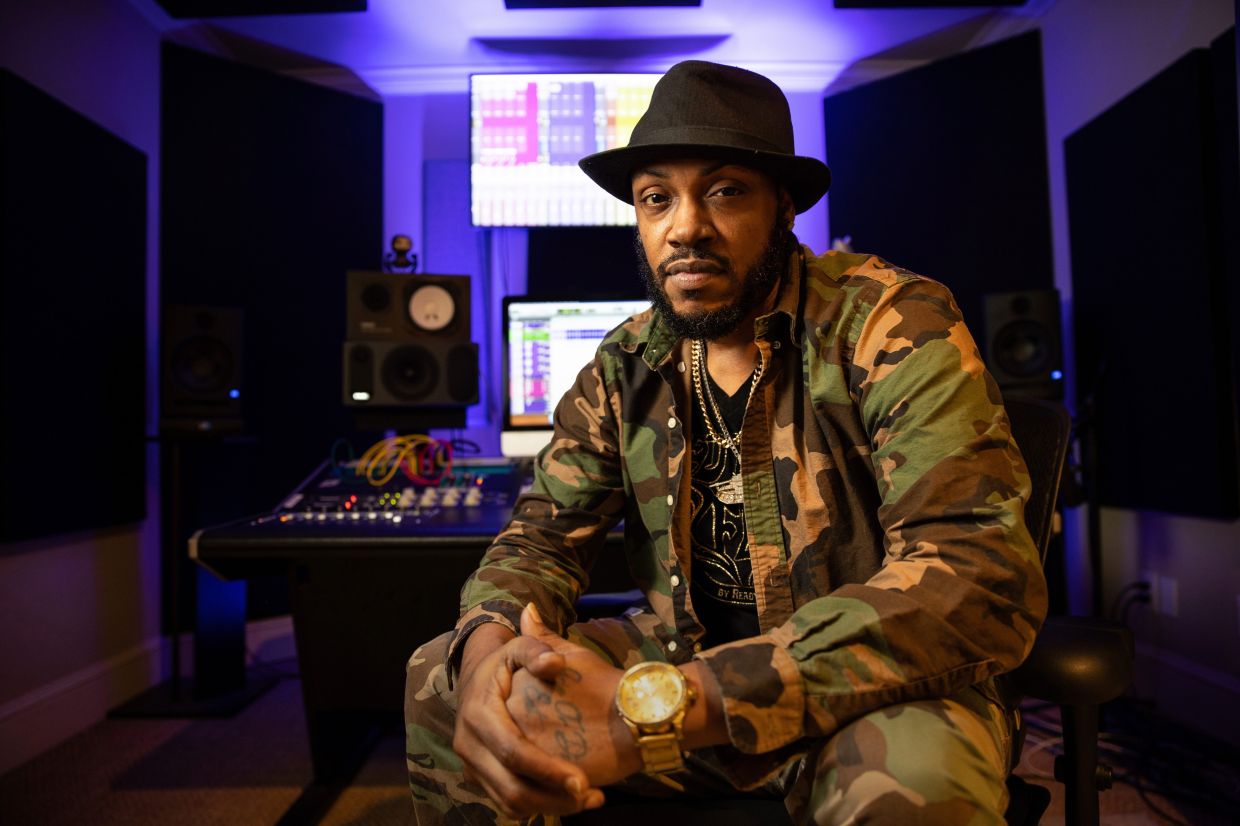
Mystikal, the Louisiana-based rapper whose real name is Michael Lawrence Tyler, will spend the next two decades behind bars following a sentencing hearing this week for the rape of a woman at his home in 2022. The musician, who achieved chart success and critical acclaim during the 1990s and early 2000s, entered a guilty plea to third-degree rape in March, a decision that capped his potential prison time at 20 years—five years below the statutory maximum for the offence. The plea agreement represented a significant reduction in severity, effectively downgrading the original first-degree rape charge, which carries a mandatory life sentence under Louisiana law.
The path to sentencing proved contentious even in its final days. Just before the Tuesday hearing, Mystikal's legal team filed a motion requesting that the judge vacate his guilty plea, citing insufficient time to weigh the full ramifications of accepting responsibility for the crime. According to local news outlet ABC affiliate WBRZ, the rapper's defence argued that the circumstances surrounding his decision to plead guilty had been inadequately considered. This last-minute reversal, however, did not prevent the court from proceeding with sentencing, and the judge ultimately rejected any attempt to withdraw the plea.
The victim exercised her right to address the court before sentencing, delivering an account of the violent assault she endured at Mystikal's residence in Prairieville, approximately 18 miles south of Baton Rouge. She described a brutal attack involving punching, choking, and forcible removal of her braids, culminating in rape. In her victim impact statement, she explicitly requested the maximum possible sentence, seeking justice proportional to her trauma. The victim's testimony appeared to resonate powerfully with the proceedings, framing the severity of her injuries and psychological harm as central to determining an appropriate punishment.
Mystikal responded to the victim's statement during the hearing, reportedly acknowledging the gravity of his actions. He stated that if he had perpetrated similar violence against someone else, he would deserve the harshest penalty available under law, suggesting an acceptance of the sentence imposed. This apparent acceptance stands in contrast to his earlier attempt to withdraw his guilty plea, though the motivations behind the late motion remain unclear. His legal representation declined to provide further comment to media outlets seeking clarification on the sentencing outcome or future appeals strategy.
The conviction marks the second time the entertainer has faced serious sexual assault allegations. In 2003, Mystikal pleaded guilty to sexual battery and received a six-year prison sentence, an episode that occurred during the height of his commercial success. That same year, he had earned Grammy Award nominations across two categories, including a nomination for best rap album, demonstrating his relevance in the hip-hop industry despite legal troubles. The 2003 conviction represented a watershed moment in his career, fundamentally altering his trajectory in the music industry and public perception.
Since his arrest in 2022 for the latest offence, Mystikal has been detained at the Ascension Parish Jail without bail, meaning he has spent over two years in custody awaiting resolution of his case. The prolonged incarceration prior to sentencing underscores the severity with which Louisiana authorities treated the allegations and the risk assessment that led judges to deny release conditions. This pre-conviction detention period has effectively removed him from public and professional life during a critical period when his case proceeded through the criminal justice system.
The sentencing carries significant implications for understanding patterns of violence and accountability in the entertainment industry. Mystikal's case demonstrates that even successful musicians with substantial fan bases and professional accomplishments can face serious legal consequences for sexual assault. The 20-year sentence reflects contemporary judicial attitudes toward rape as a heinous crime deserving lengthy incarceration, particularly when the victim's testimony provides compelling evidence of violence and trauma. For readers across Southeast Asia and beyond, the case underscores the increasing willingness of courts to impose substantial sentences regardless of a defendant's celebrity status or past achievements in their field.
The broader context of sexual assault convictions in the entertainment world shows a gradual shift toward survivors being heard and perpetrators facing meaningful consequences. Mystikal's sentencing contributes to this evolving landscape, where previous commercial success, Grammy nominations, or cultural significance no longer serve as mitigating factors that shield entertainers from the full weight of the law. The case may serve as a reference point for discussions about accountability and justice in jurisdictions throughout the region, particularly as conversations about sexual violence continue to gain prominence in public discourse.

