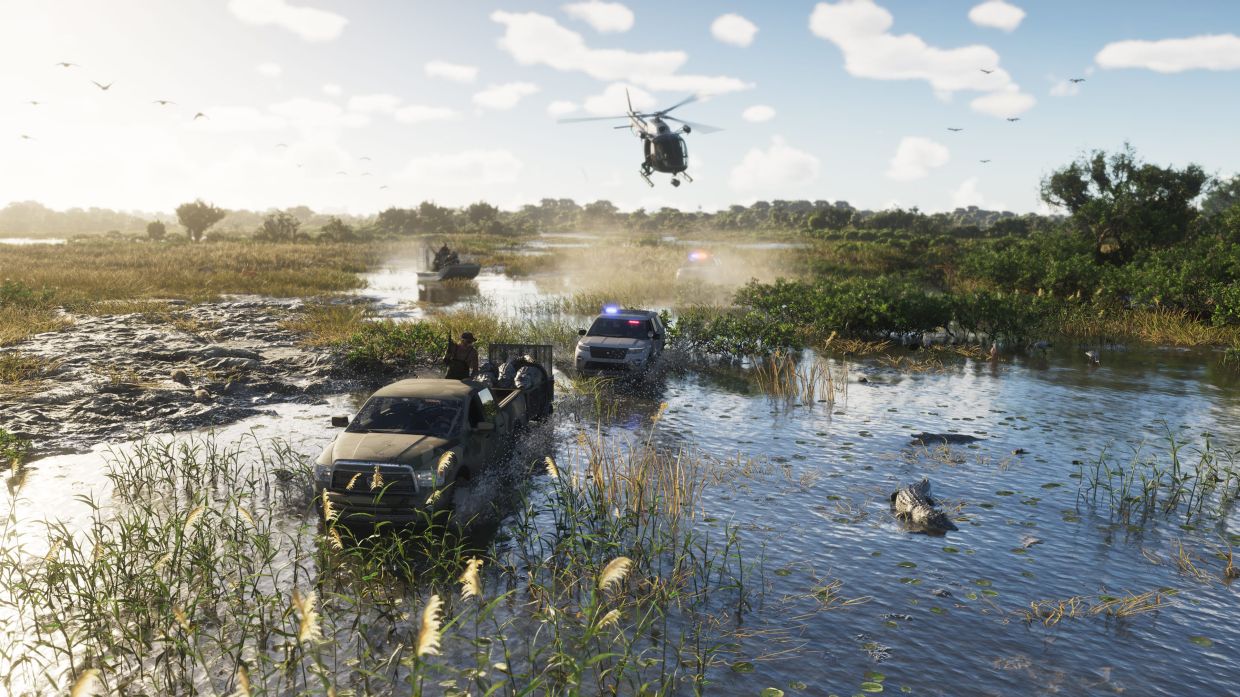
The long-awaited Grand Theft Auto VI finally received its official unveiling when Rockstar Games released a comprehensive preview on Netflix on August 27, capping months of unauthorized footage that had circulated across the internet and frustrated the game developer. The carefully curated showcase introduces players to the game's dual protagonists, Jason and Lucia, who embark on criminal escapades together following their escape from a drug enforcement operation. The pair, branded as a modern reimagining of the legendary Bonnie and Clyde outlaw narrative from early 20th-century America, represents a significant departure from previous Grand Theft Auto titles that typically centered on singular male characters navigating urban criminal underworlds.
The Netflix preview, which subsequently rolled out on YouTube the same day, offers potential players a sweeping introduction to the game's mechanics and visual style. The footage showcases dynamic gameplay sequences spanning high-speed vehicle pursuits through city streets, violent confrontations involving firearms, visits to adult entertainment venues, and tense negotiations conducted on rooftop locations. Interactive elements visible during the preview suggest that players will possess the agency to control non-violent interactions between Jason and Lucia, including the ability to have the characters hold hands—a detail that signals Rockstar's intention to develop emotional depth within the criminal narrative framework.
The official release arrived nearly two months after unauthorized clips began surfacing on the internet on August 18, marking one of the most significant data breaches in the gaming industry's recent history. Rockstar Games responded to the leak with a statement expressing profound disappointment at the unauthorized distribution, emphasizing that the company had invested considerable time in developing the title and that the leak undermined their carefully orchestrated marketing strategy. The developer's candid acknowledgment of the breach demonstrated the genuine frustration within the organization regarding the loss of control over the game's initial public perception and the compromised reveal of carefully guarded creative elements.
In response to the unauthorized leaks, Rockstar pursued aggressive legal remedies designed to identify and prosecute those responsible for the data theft. The company obtained court-authorized subpoenas from two federal judges in New York on August 21, requiring technology giants Microsoft and Discord to surrender user data and communication records that might reveal the identities of the leak's perpetrators. These legal maneuvers reflect the enormous financial stakes involved in protecting unreleased entertainment products and demonstrate how major corporations deploy sophisticated law enforcement mechanisms when facing intellectual property violations on this scale.
The leaks have been traced to an account operating under the alias Cyberleek, with the responsible party or parties claiming to act as whistleblowers exposing what they characterize as unethical business practices within the video game industry. This motivation represents a notable shift from traditional data theft, which is often driven purely by profit motives or simple notoriety-seeking. The involvement of actors claiming ideological opposition to industry practices adds complexity to the narrative surrounding the breach and reflects broader tensions between transparency advocates and corporations prioritizing controlled information release.
Rockstar's parent company, Take-Two Interactive, has faced significant criticism from gaming communities regarding their commercial strategy for Grand Theft Auto VI. The decision to forego manufacturing physical copies of the game—offering only digital versions—proved controversial among collectors and players who value tangible ownership of their entertainment purchases. Additionally, Take-Two's tiered pricing model, which offers enhanced content bundles at premium price points, generated further backlash from consumers concerned about rising costs within the gaming sector, a particular issue for Southeast Asian markets where disposable income remains constrained.
The game's cultural resonance extends beyond typical gaming enthusiast circles into unexpected institutional contexts. In a curious cross-sector development, a unit of the United States Army leveraged Grand Theft Auto VI as a recruitment incentive, offering eligible soldiers four days of leave specifically designated for gameplay in exchange for committing to extended active duty. This unconventional recruitment approach underscores the game's significance as a cultural phenomenon with mainstream appeal transcending traditional entertainment demographics. Among 130 soldiers meeting the recruitment criteria, twenty reportedly accepted the offer, which necessitated minimum two-year contract extensions—suggesting that even in military contexts, the allure of interactive entertainment possesses substantial motivational power.
For Malaysian and Southeast Asian audiences, Grand Theft Auto VI represents more than simply another entertainment product. The franchise maintains substantial popularity throughout the region, where gaming constitutes a primary leisure activity, particularly among younger demographics. However, the game's mature content—featuring explicit violence, criminal narratives, and adult themes—continues generating discussion about age-appropriate entertainment consumption and regulatory frameworks governing digital media in different jurisdictions across Southeast Asia.
The preview release strategy reveals Rockstar's attempt to regain narrative control following the significant security breach. By officially unveiling carefully selected gameplay footage on major platforms like Netflix, the developer aimed to establish an authoritative version of the game's introduction, potentially overshadowing or contextualizing the previously leaked unauthorized content. This tactical approach exemplifies how major entertainment corporations respond to data breaches by accelerating planned releases rather than indefinitely postponing them—transforming what initially appeared as a damaging loss of control into an opportunity to shape public discourse around the product's official presentation.
Looking forward, the August 27 preview launch marks the beginning rather than the conclusion of Rockstar's marketing campaign for what remains their most ambitious title to date. The dual-protagonist narrative structure, enhanced graphics capabilities, and expanded interactive systems promise to deliver a substantially evolved experience compared to previous installments. As the gaming industry continues evolving and security concerns persist around digital assets, Grand Theft Auto VI's journey from leaked footage to official presentation offers instructive lessons about managing intellectual property in an era where complete information control has become increasingly untenable.

