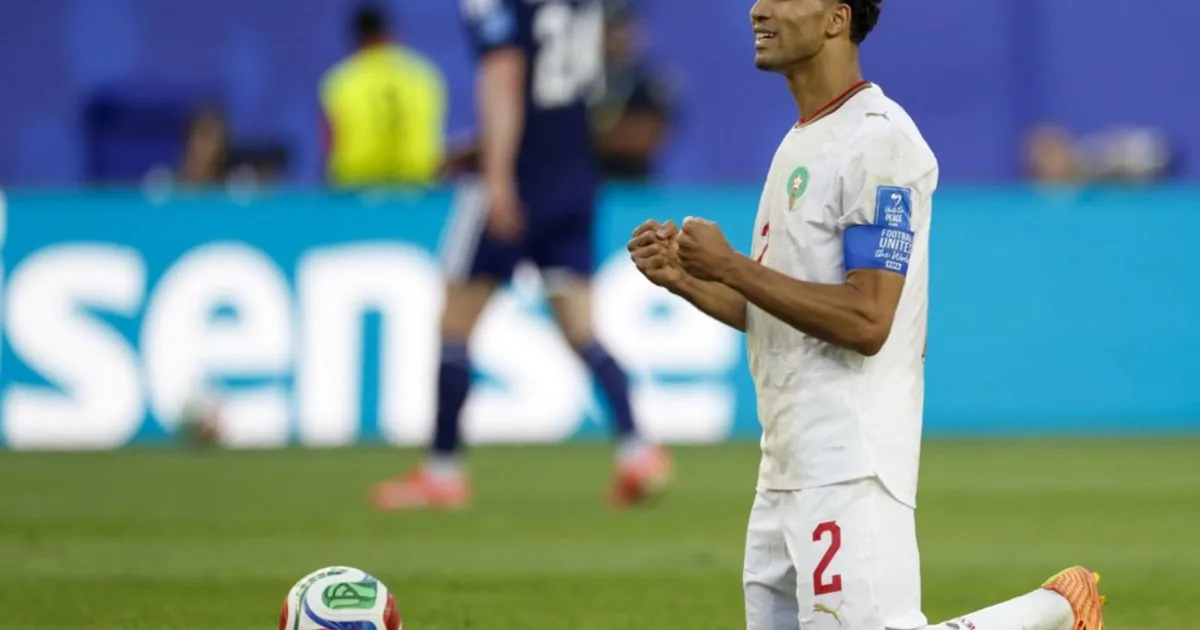
Paris Saint-Germain defender Achraf Hakimi is maintaining his equilibrium despite facing serious criminal allegations in France, Morocco's national team coach Walid Regragui revealed this week. The 25-year-old right-back continues to prepare professionally and has not allowed the legal proceedings to derail his focus, according to the coach's assessment of the player's mental state during international preparations.
The Moroccan international stands accused in connection with an alleged incident involving a 24-year-old woman in the Paris metropolitan area during 2023. Hakimi has categorically rejected the allegations, and his legal representatives have been mounting a defence against the charges. The case has drawn significant media attention both in France and across international football circles, given his prominence at one of Europe's leading clubs and his role in Morocco's recent World Cup campaign.
Regragui's public backing represents a show of confidence from the national federation at a delicate moment. The coach's comments suggest that despite the gravity of the allegations, Hakimi's professional standards and mental resilience remain intact. The player has continued to fulfil his club commitments while the legal process unfolds, demonstrating the compartmentalisation required of elite athletes navigating personal crises.
For Malaysian football followers and Southeast Asian observers, the Hakimi situation underscores the complex intersection of professional sport, personal conduct, and judicial accountability that increasingly defines modern athletics. Unlike previous eras when player conduct issues remained confined to boardroom discussions, contemporary cases play out under intense public scrutiny with cascading effects across commercial partnerships, team dynamics, and national representations.
Hakimi's position at PSG remains secure for now, with the French club taking a measured approach rather than implementing immediate disciplinary measures. This reflects broader patterns in European football where clubs often maintain support for players during legal proceedings, particularly when allegations remain unproven. However, sponsors and commercial partners frequently take independent positions, creating financial and reputational pressures that extend beyond the sporting arena.
The timing of these allegations during an international calendar has added complexity to Morocco's squad preparations. Regragui must balance his duty to field his best available players with sensitivity to broader concerns about institutional culture and accountability. His public comments defending Hakimi's composure suggest a unified approach that prioritises on-field performance while legal matters proceed through appropriate channels.
Comparatively, such high-profile cases have become increasingly common in European football, often involving players from outside Europe who navigate both sporting and legal systems simultaneously. The visibility of African and Muslim players in European leagues has sometimes coincided with heightened media coverage of allegations, raising legitimate questions about consistent application of presumption of innocence across different player backgrounds.
The financial dimensions of retaining Hakimi are substantial, given PSG's significant investment in his salary and marketing value. Sponsors must calculate whether continued association with a player facing serious allegations creates reputational risk, particularly in markets sensitive to ethical concerns. This calculus differs markedly from straightforward sporting merit evaluation.
Regragui's measured response reflects the delicate leadership required when managing national squads encompassing players simultaneously engaged in external legal processes. Public statements suggesting confidence in players' character serve multiple functions: maintaining squad morale, supporting the accused while respecting due process, and preserving institutional credibility with supporters and commercial partners.
For Southeast Asian audiences with increasing investment in European football through broadcasting and player development pipelines, the Hakimi case illustrates how even distant judicial proceedings impact global sporting narratives. Malaysian clubs and federation officials increasingly must develop policies addressing similar situations, as homegrown talent pursues opportunities in European competitions where legal exposure and media scrutiny intensify exponentially.
The resolution of Hakimi's case, whether through acquittal, conviction, or settlement, will establish precedents regarding athlete conduct, due process, and institutional responsibility. How PSG, Morocco, and European football governance ultimately respond will shape expectations for accountability across professional sport. Until legal proceedings conclude, Hakimi's continued participation represents a tension between presumption of innocence and heightened public expectations of exemplary conduct from elite professionals occupying prominent social positions.
This situation demonstrates that modern professional footballers operate simultaneously across multiple jurisdictions—sporting, legal, commercial, and reputational—where actions in one domain rapidly cascade through others. Regragui's assessment of Hakimi's psychological readiness, while reassuring for squad cohesion, cannot eliminate the broader institutional questions these cases increasingly demand that football addresses directly.

