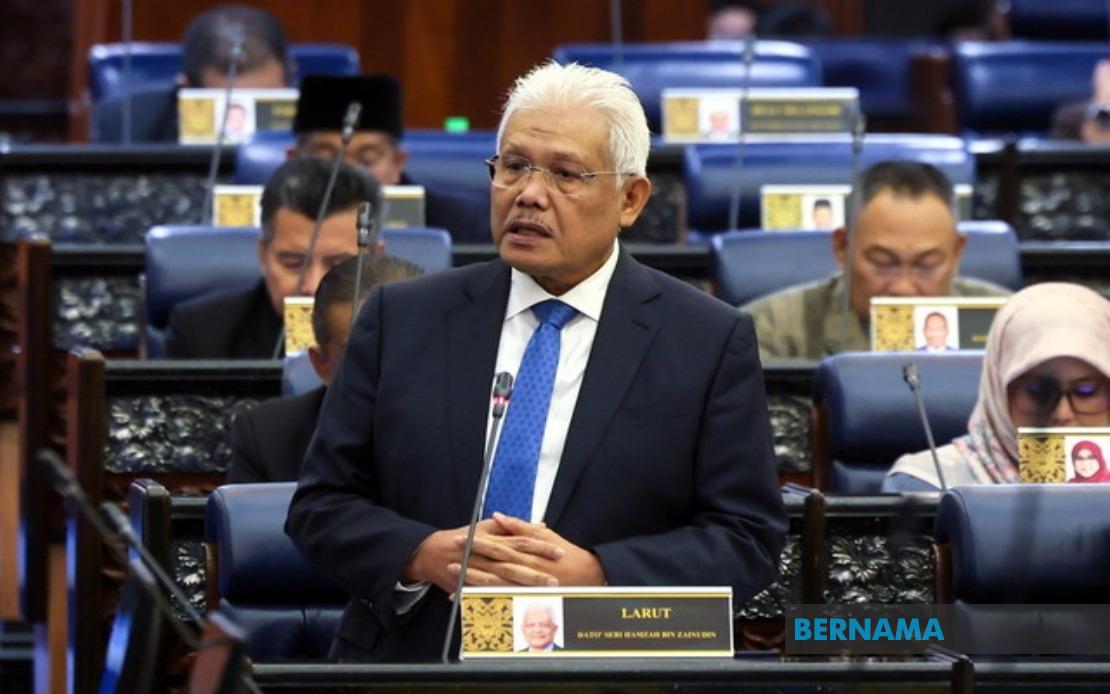
The Dewan Rakyat's leadership position underwent a brief reshuffling in recent weeks, culminating with Larut MP Datuk Seri Hamzah Zainudin's reaffirmation as Opposition Leader on June 18. Speaker Tan Sri Johari Abdul made the formal announcement on June 22 during the chamber's opening remarks before Oral Question Time, clarifying the timeline and succession of the critical parliamentary role that serves as the government's principal challenger in the legislature.
The transition reflected a period of institutional adjustment that began on May 20, 2026, when Hamzah initially assumed the Opposition Leader mantle. However, this initial appointment proved temporary. On May 21, responsibility transferred to Kemaman MP Datuk Seri Dr Ahmad Samsuri Mokhtar, who held the position through June 10. The three-week interregnum suggests behind-the-scenes negotiations within the opposition coalition, though the precise rationale for the leadership change remains unclear from the Speaker's statement. Such adjustments within the opposition ranks occasionally indicate shifts in political alliances or tactical repositioning ahead of legislative sessions.
Speaker Johari's formal confirmation came through Standing Order 4A(3) of the Dewan Rakyat Standing Orders, underlining the procedural formality governing such appointments. The Opposition Leader role carries significant parliamentary weight in Malaysia's Westminster-based system, entitling the holder to substantial speaking time, access to government proceedings, and symbolic authority representing non-government voices. For Malaysian observers, the smooth transition between leaders—despite the musical-chairs appearance—demonstrates that institutional protocols remained intact even as political arrangements shifted at the coalition level.
The Speaker specifically commended Ahmad Samsuri for his interim stewardship, expressing appreciation for his service during the May 21 to June 10 period. This courtesy reflects parliamentary tradition in recognizing members who step into demanding roles, even temporarily. By welcoming Hamzah's return, Johari reaffirmed the continuity of institutional leadership while signalling that no disruption had occurred in the chamber's functioning. For Southeast Asian observers familiar with more contentious transitions of parliamentary power, Malaysia's orderly administrative handling of the shift demonstrates the relative stability of its legislative institutions.
Parallel to confirming the Opposition Leader's return, Speaker Johari addressed two additional parliamentary vacancies that would trigger by-elections. Pandan MP Datuk Seri Rafizi Ramli and Setiawangsa MP Nik Nazmi Nik Ahmad both submitted letters relinquishing their parliamentary memberships on May 18, creating casual vacancies in their respective constituencies. The departure of two opposition figures simultaneously raises questions about their future political trajectories—whether they are stepping back from electoral politics, accepting positions incompatible with parliamentary membership, or pursuing alternative roles within their party structures.
The simultaneous departure of both MPs from their constituencies underscores the fluid nature of Malaysian opposition politics, where figures occasionally transition between legislative and executive roles or pursue appointments in state governments or party leadership positions. For Malaysian voters, the departure of these incumbents signals that by-elections will be held in Pandan and Setiawangsa, requiring the Election Commission to organize contests in both federal constituencies. By-elections in Malaysia typically occur within 60 days of a vacancy being declared, adding to the electoral calendar already shaped by scheduled parliamentary sessions and state assemblies in various phases of their terms.
Speaker Johari notified the Election Commission of both vacancies in compliance with Article 54(1) of the Federal Constitution, fulfilling the statutory obligation to formalize the legislative seats' vacancy status. This constitutional procedure ensures that the electoral machinery can commence preparations for conducting fair and orderly by-elections in both constituencies. The notification represents not merely a procedural step but the formal trigger for the electoral process, activating nomination periods, campaign regulations, and voting logistics across Pandan and Setiawangsa.
The Opposition Leader role itself deserves scrutiny for what it reveals about Malaysia's parliamentary balance. The position requires parliamentary nomination and reflects the largest opposition party's status within the Dewan Rakyat. Hamzah's tenure in this role positions him as the primary voice articulating alternative policies and holding the government accountable through parliamentary mechanisms. His return to the post after Ahmad Samsuri's interim period suggests that Hamzah maintains sufficient support within his party and coalition to sustain this influential position.
These developments carry implications for Malaysia's legislative dynamics heading into the remaining term of the current parliament. The Opposition Leader's effectiveness in questioning government policies, proposing amendments to legislation, and mobilizing parliamentary opposition influences Malaysia's policy trajectory. Meanwhile, the forthcoming by-elections in Pandan and Setiawangsa will test opposition strength in these urban constituencies, potentially indicating broader electoral currents affecting the government's political standing. For regional observers tracking Malaysian politics, these announcements signal continued institutional stability alongside evolving political alignments within the opposition coalition.

