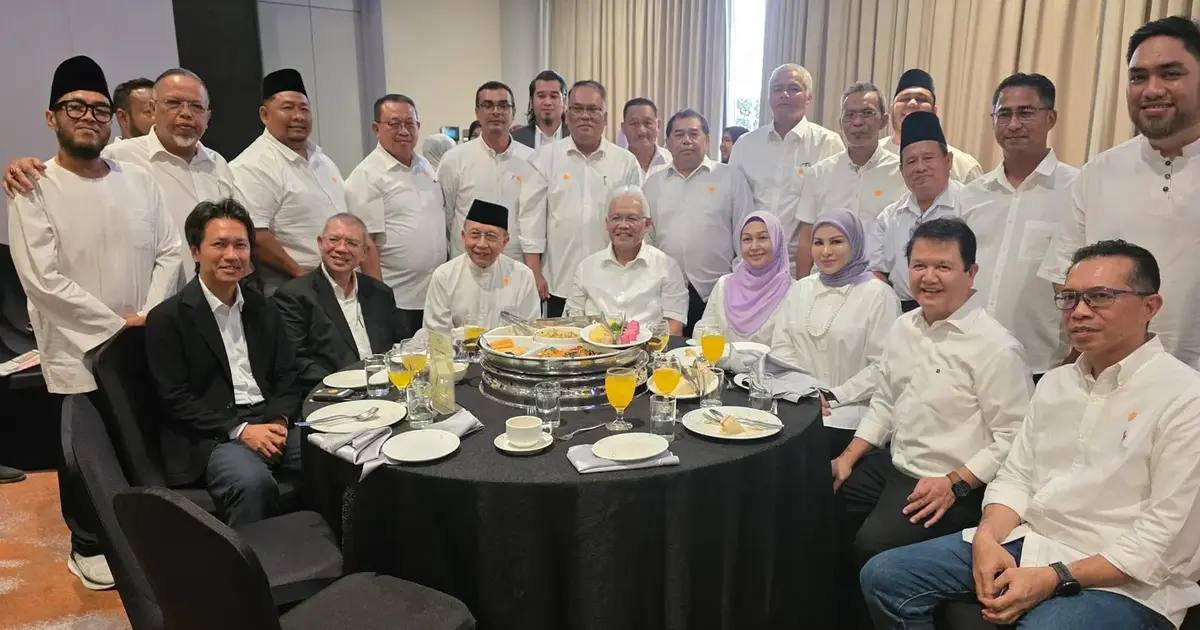
Hamzah has assumed the presidency of Wawasan in a restructuring of the party's top management that reflects the political movement's efforts to consolidate leadership and chart a fresh direction. The appointment signals a shift in influence within the organisation as it navigates Malaysia's evolving political landscape.
Rais Yatim, a seasoned figure in Malaysian politics who has held ministerial portfolios across multiple administrations, has been elevated to the position of chairman. His appointment underscores the party's intention to leverage his experience and political networks as it seeks to strengthen its standing in the broader political ecosystem. Rais Yatim's career spans decades of public service, and his move to this senior position reflects confidence in his ability to provide strategic guidance to the organisation.
The secretary-general role has been conferred upon Saifuddin Abdullah, the Member of Parliament for Indera Mahkota. His appointment adds a parliamentary dimension to the leadership structure, bridging the gap between the grassroots party apparatus and legislative responsibilities. As an MP, Saifuddin Abdullah brings direct experience of parliamentary affairs and constituency management to the administrative machinery of Wawasan.
These appointments come at a time when Malaysian political parties are increasingly scrutinising their internal governance and leadership effectiveness. The restructuring of senior positions often indicates an attempt to address organisational challenges, refocus strategic priorities, or prepare for forthcoming political contests. For Wawasan, the move appears designed to strengthen institutional coherence and clarify lines of authority within the party structure.
The leadership trio now in place brings together different dimensions of political experience and organisational capability. The appointment of multiple veterans and active parliamentarians suggests an intention to balance institutional memory with contemporary legislative engagement. This approach has become common among Malaysian political parties seeking to maintain relevance across generational divides within their membership.
Wawasan's position within Malaysia's political framework has been subject to fluctuation as coalitions shift and electoral mathematics change. The new leadership configuration may signal preparations for upcoming electoral cycles or efforts to consolidate support ahead of potential political realignments. The prominence given to parliamentary representation through Saifuddin Abdullah's appointment suggests the party recognises the importance of legislative performance to its broader political fortunes.
For observers of Malaysian politics, such leadership changes often provide insight into factional dynamics within parties and the relative influence of different power blocs. The appointment of Rais Yatim in particular, given his long history in Malaysian politics, may indicate that experience and established connections have been prioritised in the restructuring process. This could reflect either a desire for stability or an acknowledgment that the party's current challenges require seasoned hands.
The implications of this leadership shift extend beyond the party itself. As component parties within broader coalitions reconfigure their management structures, they inevitably affect the balance of power within coalition arrangements. Wawasan's new leadership may influence coalition politics in ways that become apparent during policy-making processes or electoral preparations.
For Malaysian voters and political observers, tracking such appointments provides valuable information about party directions and priorities. Leadership changes often precede policy announcements or strategic shifts, making them important indicators of future political developments. The appointment of Hamzah, Rais Yatim, and Saifuddin Abdullah warrants attention from those seeking to understand Wawasan's trajectory and its potential influence on Malaysian political outcomes.
The restructuring also reflects broader trends in Malaysian political management, where parties increasingly emphasise professional administration and clear hierarchical structures. By appointing experienced figures to executive positions, Wawasan appears to be signalling a commitment to more systematic organisational practices. This professionalisation of party administration has become a distinguishing feature of Malaysian politics as competition intensifies.
Stakeholders across Malaysia's political spectrum will be monitoring how the new leadership team performs and whether the restructuring delivers the anticipated improvements in party cohesion and effectiveness. The months ahead will reveal whether these appointments successfully address underlying organisational concerns or represent merely cosmetic changes to the party's management architecture.

