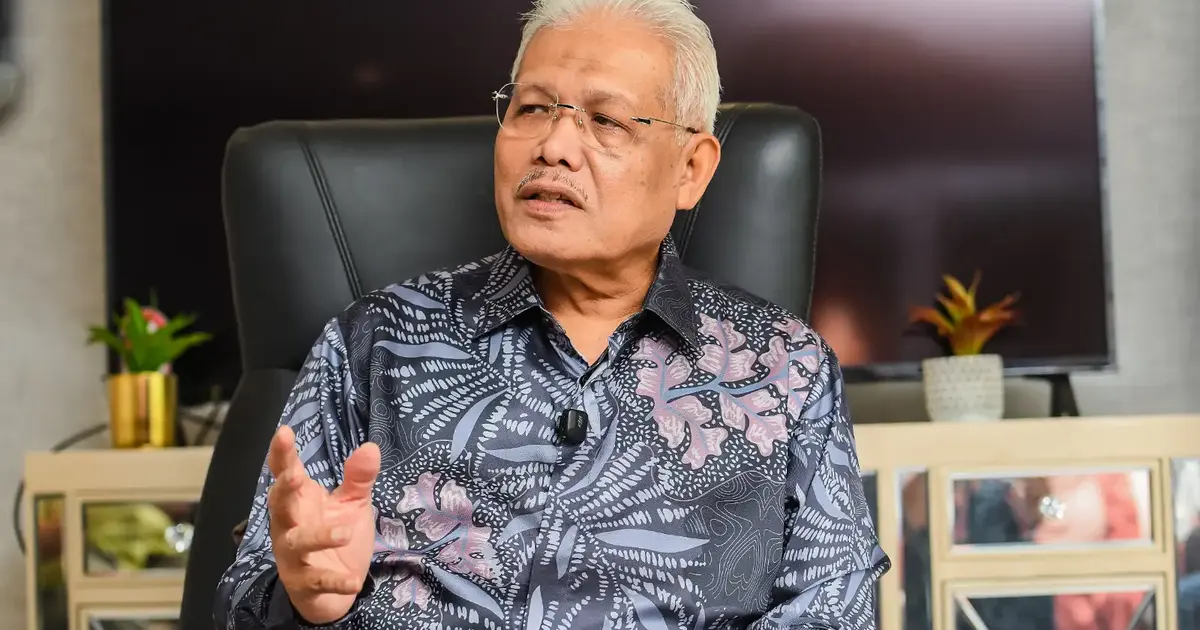
Perikatan Nasional's renewed embrace of Hamzah Zainudin represents a calculated repositioning of the opposition coalition's political brand, with observers suggesting the move is designed to broaden its electoral appeal ahead of a crucial contest. Political analysts interpret the development as a deliberate attempt to distance the PAS-led alliance from perceptions of ideological rigidity and present itself as a pragmatic, mainstream governing alternative to the incumbent administration.
The significance of Hamzah's rehabilitation within the coalition extends beyond mere personnel shuffling. His profile—anchored in administrative competence and a track record in federal-level governance—offers the opposition a counter-narrative to any characterisation that Perikatan Nasional remains a single-issue movement or an organisation beholden to narrow sectarian interests. Observers working in Malaysian political analysis circles view this strategic manoeuvre as recognition that electoral success at the national level requires more than consolidated support from the coalition's existing voter base.
Former government insiders and political strategists believe Hamzah serves as a bridge figure capable of communicating the opposition's policy agenda to centrist and urban-oriented voters who might otherwise harbour reservations about Perikatan Nasional's ideological composition. His prominence in the anticipated GE16 campaign is expected to emphasise themes of institutional reform, economic competitiveness, and regional stability rather than identity-focused messaging that traditionally defines coalition rhetoric during election cycles.
The coalition's decision to position Hamzah prominently in its electoral machinery reflects a broader calculation about voter sentiment heading into the next general election. Political commentators note that Malaysian voters in metropolitan areas and mixed constituencies have demonstrated increasing appetite for candidates and parties that foreground administrative credentials and technocratic credentials over partisan tribalism. Hamzah's past roles in executive positions provide ammunition for such positioning, even as questions persist about his distance from day-to-day opposition politics during recent years.
Penikatan Nasional's leadership believes that a moderate-facing campaign architecture substantially improves the coalition's chances of converting undecided and swing voters who occupy the political centre. These voters—often professionals, business owners, and younger citizens engaged in knowledge-based sectors—represent a demographic that shaped electoral outcomes in the last general election and will likely prove decisive again. Strategic deployment of figures associated with administrative pragmatism rather than doctrinal purity signals responsiveness to this emerging constituency's preferences.
Analysts emphasise that the timing of Hamzah's reintegration carries implications beyond internal coalition management. The move occurs within a context of evolving Malaysian political dynamics, including shifting positions among various demographic cohorts and changing party alignments. For Perikatan Nasional, the message crystallises around electability and readiness to govern, elements that research and polling data suggest resonate with crucial voting segments.
The opposition coalition's apparent confidence in Hamzah as a campaign frontrunner and potential figurehead reveals assumptions about voter psychology and electoral geography. Perikatan Nasional strategists evidently believe that the moderate image he projects will prove sufficiently powerful to overcome whatever reservations certain coalition members harbour regarding his historical trajectories and policy sympathies. This assessment suggests internal calculations that electoral mathematics favour broad-tent appeals over ideological purity.
However, the reliance on a single personality to reshape coalition perceptions carries inherent risks. Political analysts caution that voter scepticism regarding apparent rebranding efforts can materialise if messaging feels inauthentic or when campaign conduct diverges from projected moderation. Hamzah's effectiveness as an image-rehabilitation tool depends substantially on consistency between rhetorical positioning and actual organisational behaviour throughout the election cycle and beyond.
Regional observers monitoring Malaysian politics note that Perikatan Nasional's moderate repositioning carries implications extending beyond domestic electoral competition. The coalition's demonstrated willingness to emphasise pragmatism and administrative competence—values often attractive to foreign investors, international partners, and foreign governments—suggests attention to Malaysia's standing within regional and global frameworks. Presenting a moderate-facing coalition government has international dimension alongside domestic electoral significance.
Looking toward GE16, the Hamzah factor will likely become increasingly central to how Perikatan Nasional constructs its campaign narrative and seeks to differentiate itself from incumbent alternatives. Whether this moderate positioning strategy succeeds depends on multiple variables: the consistency and credibility with which the coalition communicates its reformed image, the receptiveness of target voter demographics to the message, and the ability of coalition members to maintain disciplined messaging throughout a potentially contentious campaign period. Analysts will closely monitor whether the coalition's investment in moderate branding translates into tangible electoral support.