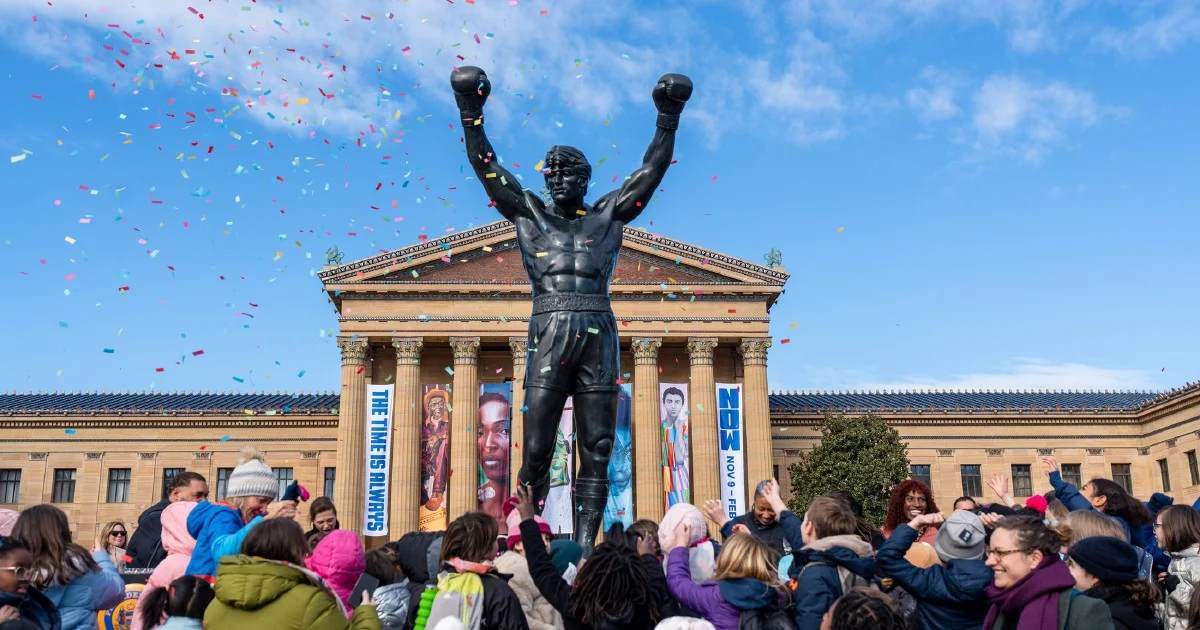
Philadelphia's legendary Rocky Balboa statue has become the subject of an unusual warning directed at France's travelling contingent of World Cup supporters, who have been advised to refrain from touching or adorning the beloved monument with their national colours. City officials issued the caution on Saturday, citing a pattern of sporting setbacks that have mysteriously befallen teams whose supporters previously engaged in such behaviour with the bronze sculpture.
The warning reflects a curious superstition that has grown around the statue, which stands as one of Philadelphia's most recognisable landmarks. Rather than merely functioning as a tourist attraction, the monument has acquired a reputation in sporting circles as a potential source of misfortune for visiting teams. The accumulated anecdotal evidence from past World Cup campaigns has been sufficient to prompt authorities to take the matter seriously enough to issue an official advisory to the French delegation.
For Malaysian and Southeast Asian football enthusiasts, the phenomenon illustrates how deeply superstition and folklore can penetrate international sporting culture, even at the highest levels of competition. The warning demonstrates that even in an age of advanced analytics and scientific training methods, traditional beliefs and rituals continue to influence how teams and their supporters approach major tournaments. The Rocky statue warning reflects broader patterns seen throughout Asian football, where spiritual concerns and auspicious timing regularly influence team preparations and fan behaviour.
The statue itself has been a focal point of Philadelphia's cultural identity since its creation, immortalising the fictional boxer from Sylvester Stallone's acclaimed film series. Over the years, it has accumulated layers of meaning beyond its artistic and cinematographic origins, becoming a symbol of determination and underdog victory. However, the association with athletic misfortune appears to have developed independently, likely through the accumulation of observations about coincidental losing streaks following fan interactions with the monument.
The specific mechanics of the purported curse remain unclear, but the pattern attributed to it seems to affect teams whose supporters dress the statue in their national colours or otherwise modify its appearance. This suggests the curse operates on principles of desecration or disrespect, a concept familiar across many cultures where altering sacred or significant objects is believed to invite negative consequences. The warning to France supporters represents an attempt by local authorities to break what might otherwise become a self-fulfilling prophecy.
For international supporters travelling to America for World Cup matches, such warnings add an unexpected layer of consideration to their matchday planning. The caution reflects Philadelphia's desire to protect its iconic monument while simultaneously attempting to prevent any negative spiritual consequences that might befall teams or their fans. It is a delicate balancing act between preserving the monument's integrity and respecting the earnest beliefs of football supporters from around the globe.
The phenomenon also highlights how modern sports have become intertwined with ritualistic elements that transcend national boundaries. French teams have long carried their own traditions and superstitions into international competitions, and the addition of a Philadelphia-specific curse introduces a new variable into their World Cup preparations. Whether the warning will deter supporters from interacting with the statue remains to be seen, but its issuance alone demonstrates how seriously the intersection of sport and folklore is regarded.
From a broader perspective, the Rocky statue warning exemplifies how international sporting events create unexpected cultural encounters and collisions. When teams and supporters travel across continents to compete, they bring their own beliefs and practices while simultaneously encountering new local traditions and superstitions. The World Cup setting amplifies these interactions, as millions of supporters congregate in foreign cities where different cultural rules and spiritual considerations apply.
For France's football community, the warning introduces an additional psychological element into their tournament campaign. Superstitions can exert genuine influence on team morale and confidence, either through the anxiety they generate or through the unity that observing shared beliefs can create among supporters. The decision to heed or ignore Philadelphia's warning becomes a meaningful one for French fans, potentially affecting their emotional investment in their team's performance throughout the tournament.
The broader implications extend to how host nations manage sporting events that attract international visitors with diverse beliefs and practices. Philadelphia's proactive approach to warning supporters represents a pragmatic attempt to prevent potential negative outcomes while respecting local cultural assets. It demonstrates that even in the modern era of globalised football, local context and traditional beliefs remain relevant considerations in how international tournaments unfold.
As World Cup fever grips participating nations, the Rocky statue warning will likely circulate through French supporter networks and become embedded in the tournament's folklore. Whether it proves prescient or merely reflects confirmation bias remains unknowable, but its existence adds a distinctly American touch to France's World Cup experience. The warning serves as a reminder that sporting competition encompasses not only athletic performance but also the cultural rituals and superstitions that supporters carry with them across the globe.

