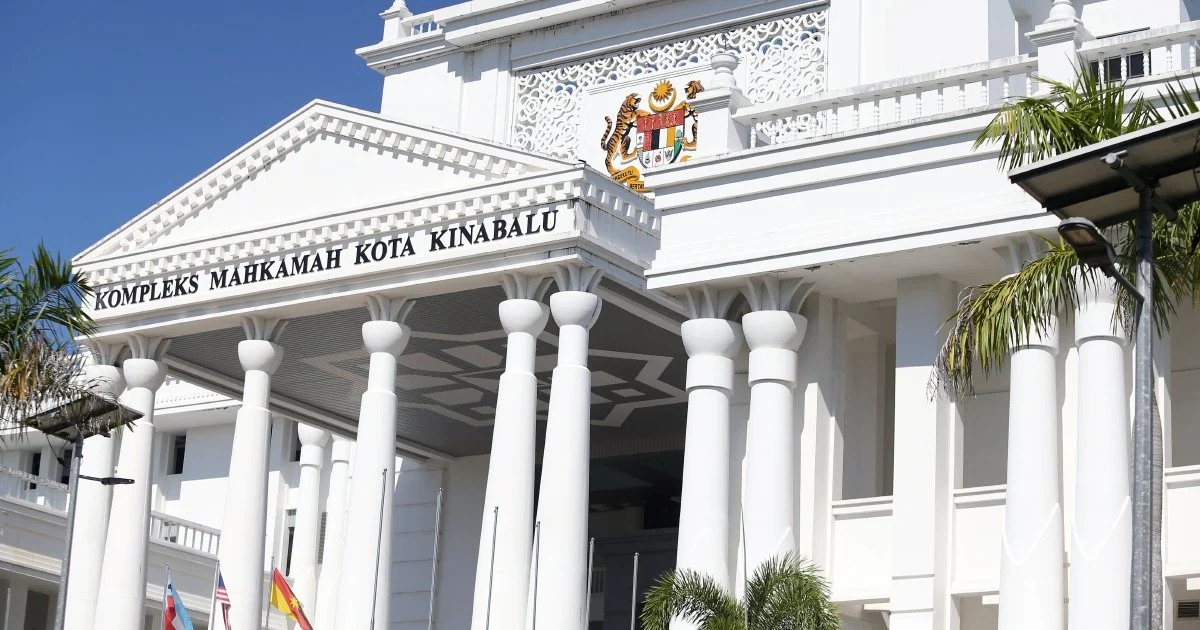
A handwriting expert has doubled down on her analysis before the Coroner's Court in Kota Kinabalu, maintaining that certain pages in the journals belonging to the late Zara Qairina Mahathir were not written in her own hand. The expert's testimony marks a significant development in the ongoing judicial examination surrounding the death of the daughter of former Prime Minister Mahathir Mohamad, whose passing in February 2023 sparked widespread speculation and scrutiny.
The expert's persistent findings suggest that multiple individuals may have contributed entries to the journals in question, raising important questions about the authenticity and reliability of written records that could carry evidentiary weight. This assertion directly challenges the possibility that Zara maintained exclusive control over her personal journals, a detail with potential implications for understanding the circumstances surrounding her death. The specific identification of discrepancies in handwriting patterns provides forensic-level analysis of materials that might otherwise appear consistent to casual observation.
During proceedings in the state capital of Sabah, the expert reiterated her position with considerable certainty, indicating that her original conclusions had not been altered by subsequent examination or counter-arguments. Such consistency in expert testimony typically carries substantial weight in coroner's inquiries, where the determination of facts surrounding sudden or unexplained deaths requires rigorous scrutiny of available evidence. The willingness to stand firm on previous findings demonstrates either high confidence in the methodology employed or significant evidence supporting the differentiation between handwriting samples.
The implications of finding multiple hands within a personal journal extend beyond mere curiosity about documentation practices. If entries were indeed added by others, questions arise regarding who had access to Zara's private records, when such entries might have been made, and what motivations might have existed for such additions. These questions bear directly on the construction of a complete and accurate narrative surrounding her death, particularly given the prominence of her family in Malaysian public life.
Zara's death at age 23 received considerable attention due to her father's former position as Prime Minister and his subsequent political activities. The coroner's inquiry has proceeded methodically to examine various aspects of the circumstances, with experts from multiple disciplines providing technical analysis. The handwriting examination represents one component of a broader forensic and investigative approach to understanding what occurred.
For Malaysian legal proceedings, the use of handwriting analysis as evidence continues to be accepted within the framework of expert testimony, though the reliability and interpretation of such analysis can vary depending on the experience and methodology of the expert involved. The Coroner's Court system in Malaysia serves as the appropriate forum for such inquiries, with procedures designed to establish facts surrounding deaths that might otherwise remain unclear or contested.
The testimony also highlights the broader issue of how personal documents function as evidence in legal proceedings, particularly when those documents originate from deceased individuals who cannot authenticate or clarify the entries themselves. This scenario presents inherent challenges for courts, requiring careful evaluation of handwriting evidence alongside other forensic and circumstantial information.
Sabah, as the location of these proceedings, has hosted several notable coroner's inquiries in recent years, reflecting the state's status as a significant jurisdiction within Malaysia's legal landscape. The conduct of these inquiries typically adheres to established procedures designed to protect public interest while respecting the privacy of families involved.
The ongoing nature of the coroner's inquiry suggests that additional expert testimony and evidence examination lie ahead. Each piece of expert evidence builds toward a comprehensive determination that will ultimately inform the coroner's findings and conclusions regarding the circumstances of Zara's death. The handwriting expert's reaffirmation of her position contributes to this evidentiary foundation.
The case underscores the continued reliance on traditional forensic methods within Malaysia's legal system, even in an era of advancing digital technology and data analysis capabilities. Handwriting examination remains relevant because journals and personal documents frequently constitute the only direct written record from individuals during particular periods of their lives.
For observers of Malaysian legal proceedings and those interested in high-profile cases, the coroner's inquiry into Zara's death represents an important demonstration of how the judicial system examines circumstances that might otherwise generate speculation and uncertainty. The systematic presentation of expert evidence, including the handwriting analysis now reaffirmed, contributes to establishing an authoritative factual record.

