A strategic educational partnership between the Johor State Government and Harvard University is poised to transform learning outcomes for 100 students at two Johor secondary schools. The Programme for Scientifically-Inspired Leadership (PSIL), which Harvard established in 2019, represents an ambitious effort to inject international pedagogical standards into Malaysia's schooling system. The initiative signals a broader regional trend of Southeast Asian governments seeking partnerships with elite global universities to elevate educational quality and prepare students for an increasingly competitive global economy.
According to Aznan Tamin, chairman of the Johor State Education and Information Committee, the programme's implementation at Sekolah Menengah Kebangsaan Tasek Utara and SMK Seri Kota Puteri 2 is scheduled to commence in January 2027. The collaboration reflects a recognition that Malaysia's education system must evolve beyond conventional teaching methods to equip graduates with the competencies demanded by modern labour markets. PSIL's curriculum framework centres on fostering active engagement rather than passive knowledge absorption, encouraging students to question assumptions, think analytically, and articulate ideas persuasively—skills increasingly valued by employers across technology, finance, and professional services sectors.
The programme's emphasis on critical thinking and effective communication addresses a persistent concern among Malaysian employers, who frequently report that local graduates, despite strong academic credentials, lack soft skills necessary for senior roles. By exposing students to Harvard's pedagogical approach, the Johor initiative aims to narrow this gap while students are still in secondary education, potentially creating a cohort of young Malaysians better equipped for tertiary studies and professional advancement. The timing is particularly significant given Malaysia's ongoing efforts to position itself as a regional knowledge economy hub competing with Singapore, Thailand, and Vietnam for foreign investment and talent retention.
Beyond students, the programme allocates substantial resources to professional development for 40 SRBJ teachers through specialised workshops focused on active learning pedagogy. This dual approach—transforming both instruction and instructional delivery—demonstrates sophisticated understanding that curriculum reform requires systemic change. Teachers will gain exposure to interactive, creative teaching methodologies designed to foster more dynamic classroom environments. Such capacity-building among educators can have multiplier effects, as trained teachers subsequently influence hundreds of students throughout their careers and potentially mentor other educators in their schools.
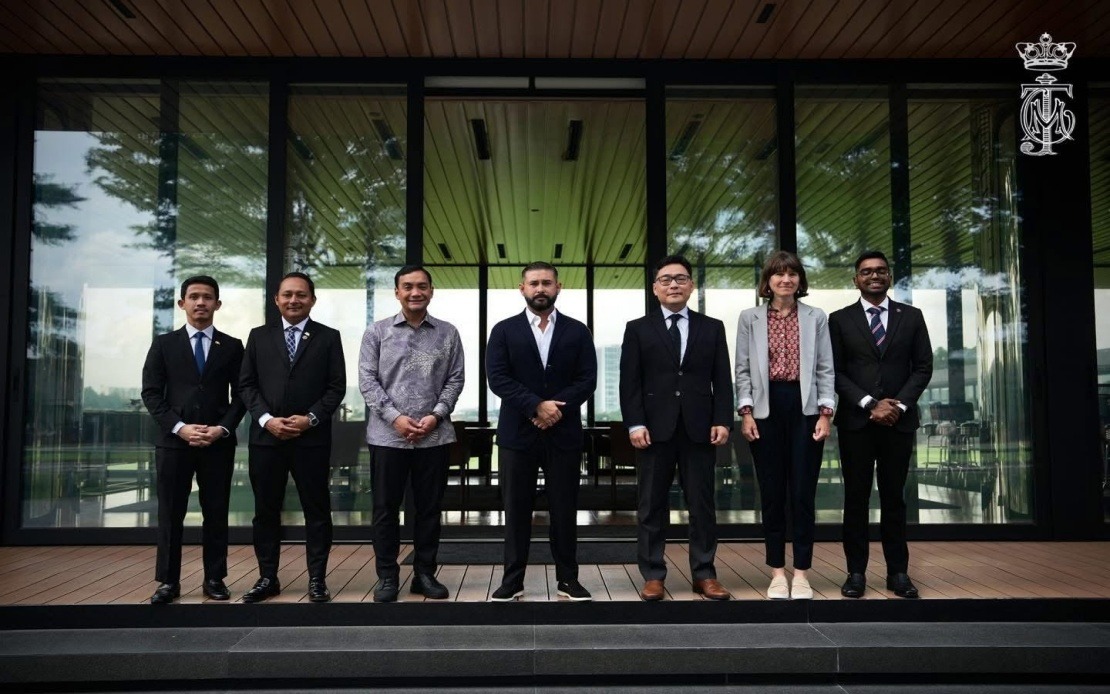
The Regent of Johor, Tunku Mahkota Ismail, recently received a delegation from Harvard led by Dr Dominic Mao, assistant director of Undergraduate Studies and Lecturer in Molecular and Cellular Biology, alongside Dr Andrea Wright, assistant dean of Harvard College. The high-level engagement underscores Harvard's commitment to the partnership and reflects the institution's growing interest in expanding its global footprint beyond traditional North American and European markets. For Johor, the visitation represented validation of the state's strategic direction and opened diplomatic channels for potential future collaboration in research, faculty exchanges, and student mobility.
Sekolah Rintis Bangsa Johor, the pilot institution coordinating this initiative, operates with a distinct educational philosophy that prioritises English language proficiency without diminishing Malay language competency. This balanced approach reflects Malaysian education policy's broader aspiration to produce globally competitive graduates while maintaining cultural and linguistic heritage. The school's concurrent emphasis on STEM skills, personality development, and student marketability aligns closely with PSIL's objectives, creating institutional coherence that should facilitate effective programme implementation and maximise student benefit.
The partnership carries particular significance for secondary students in Johor, traditionally comprising diverse socioeconomic backgrounds. Providing access to Harvard-calibre educational frameworks through a local state-sponsored programme democratises exposure to global learning standards, potentially reducing educational inequities that often constrain social mobility. Students who might otherwise lack means to attend overseas preparatory programmes or international schools gain equivalent enrichment opportunities within their existing educational trajectory.
For Southeast Asia more broadly, this collaboration represents an emerging pattern wherein regional governments are leveraging partnerships with world-class universities to upgrade human capital. Singapore has long pursued this strategy, but Malaysia's recent initiatives suggest growing policy sophistication regarding education's instrumental role in economic competitiveness. However, success hinges on implementation quality, teacher commitment, and sustained institutional support beyond the initial pilot phase. Without rigorous monitoring and adequate resourcing, even well-intentioned programmes risk underperforming.
The January 2027 launch date provides adequate preparation time for curriculum adaptation, teacher training completion, and administrative coordination. However, stakeholders should establish clear success metrics from inception, including student learning outcomes, teacher satisfaction, skills acquisition, and long-term tracking of participating students' educational and professional trajectories. Such data will determine whether PSIL warrants expansion to other Johor schools and whether Harvard's pedagogical model translates effectively within Malaysian educational contexts characterised by different examination systems, cultural expectations, and resource constraints than those in American universities.
Looking forward, this partnership exemplifies how Malaysian states can strategically harness global institutional expertise to strengthen competitive advantage in education provision. Other states may view Johor's initiative as a replicable model, potentially spurring broader adoption of international collaboration frameworks across Malaysia's education ecosystem. Success in Johor could position Harvard as a preferred partner for similar initiatives nationwide, while establishing precedent for other leading universities to expand engagement throughout Southeast Asia.