A curated collection of limited-edition merchandise marking the National Journalists' Day (HAWANA) 2026 celebrations will debut at the main Penang event on June 20, offering attendees tangible mementos of what promises to be a significant gathering for Malaysia's media community. The commemorative pieces, produced exclusively for this year's observance, underscore the organisational commitment to creating a memorable experience for journalists and media professionals converging at the Butterworth Convention Centre.
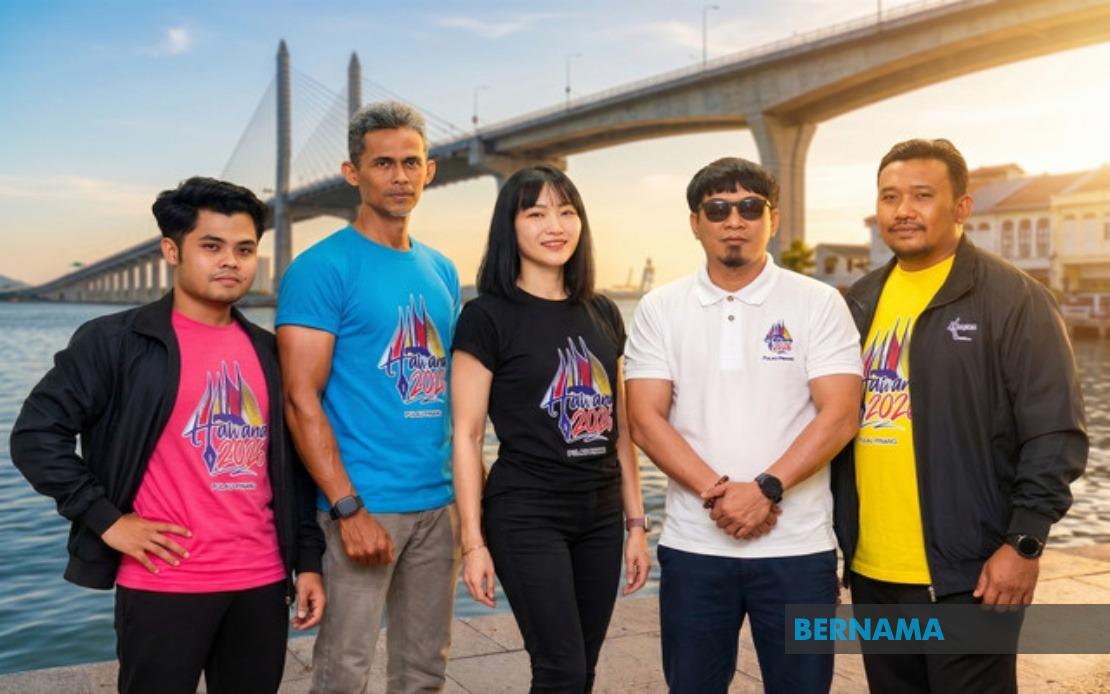
Three distinct items comprise the special-edition range, each distinctly branded with the official HAWANA 2026 identity. Attendees may select from a bomber jacket priced at RM59, a collared T-shirt at RM37, or a round-neck T-shirt at RM30. While modest in price point, these garments serve dual purposes as both wearable event memorabilia and symbols of solidarity within the journalism profession. The merchandising strategy reflects a deliberate effort to extend the event's reach beyond the conference hall itself, allowing journalists to carry forward visible representations of their collective identity and shared commitment to professional standards.
The merchandise will be distributed through the HAWANA Official Merchandise booth, strategically positioned within PICCA@ Arena Butterworth Convention Centre to maximise accessibility for participants throughout the day's proceedings. According to the HAWANA 2026 Secretariat, availability will continue for the duration of the event, subject to inventory constraints. This limited-stock approach creates a sense of exclusivity and encourages timely purchase decisions among attendees who wish to secure items before supplies diminish.
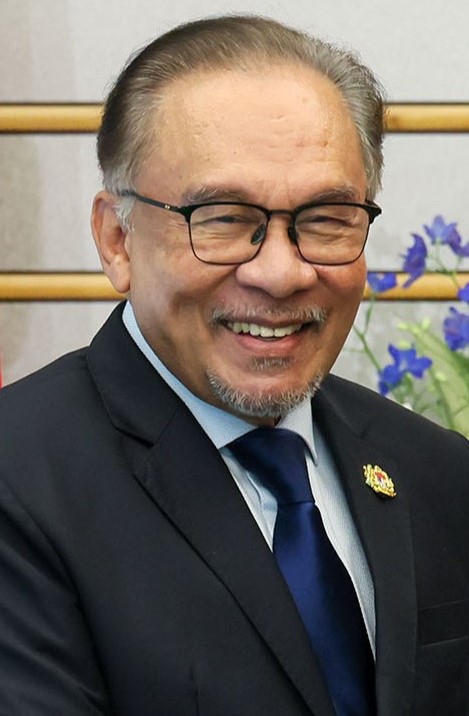
The merchandise launch coincides with the primary HAWANA 2026 celebration, themed "Media Integrity Strengthens Credibility," a thematic choice that carries particular resonance within Malaysia's media landscape. The event will be officially opened by Prime Minister Datuk Seri Anwar Ibrahim, lending significant governmental weight to the proceedings and signalling the state's recognition of journalism's foundational role in democratic societies. This high-level endorsement elevates the profile of the celebration and underscores the importance placed on honouring media professionals' contributions to national discourse.
Organisation of HAWANA falls under the purview of the Ministry of Communications, with the Malaysian National News Agency (Bernama) serving as the implementing authority. This administrative structure ensures coordinated messaging and professional execution across all event components. Bernama's central role reflects its historical significance as Malaysia's official news agency and its established networks within the broader media ecosystem. The institutional backing provides structural credibility and resource capacity necessary for hosting what represents the media industry's largest annual gathering.
Beyond the ceremonial centrepiece, the Penang celebration incorporates the RIUH Pi HAWANA Carnival, an expansive three-day programme commencing June 19. This ancillary initiative broadens the event's appeal beyond professional practitioners to encompass general public participation. The carnival merges creative artistic expressions with substantive dialogue forums, generating programming suitable for diverse age groups and interest levels. This multifaceted approach transforms HAWANA 2026 from a narrowly focused professional conference into a broader cultural celebration of media's role in society.
For Malaysian journalists and media professionals, HAWANA 2026 represents a critical occasion for collective reflection on industry challenges and opportunities. The gathering reaffirms professional identity within an increasingly complex information landscape marked by digital disruption, audience fragmentation, and evolving commercial models. The "Media Integrity Strengthens Credibility" theme directly addresses contemporary anxieties surrounding journalism's social standing and public trust. By convening practitioners across publications, platforms, and regional locations, the event facilitates knowledge exchange and reinforces professional standards during a transformative period.
The merchandise component, while seemingly peripheral to substantive programming, serves important psychological and community-building functions. Wearable commemorative items create tangible touchstones of professional identity and foster collegial bonds among participants. When journalists wear HAWANA 2026 branded apparel beyond the event itself, they become mobile ambassadors, visibly affirming their professional commitment and expanding the celebration's symbolic reach into broader social spaces. This indirect marketing effect amplifies the event's cultural impact beyond the immediate attendee cohort.
For Southeast Asian media observers, HAWANA 2026 offers insights into Malaysia's approach to journalist recognition and professional development within a regional context marked by varying press freedom conditions. Malaysia's capacity to convene a substantial national media gathering, with governmental participation and formal programming, reflects particular institutional arrangements and policy environments. The event's thematic emphasis on integrity and credibility implicitly acknowledges ongoing concerns about media standards and public trust—challenges increasingly common across the region. Comparative analysis of how different Southeast Asian nations recognise and support journalism professions reveals divergent priorities and institutional capacities.