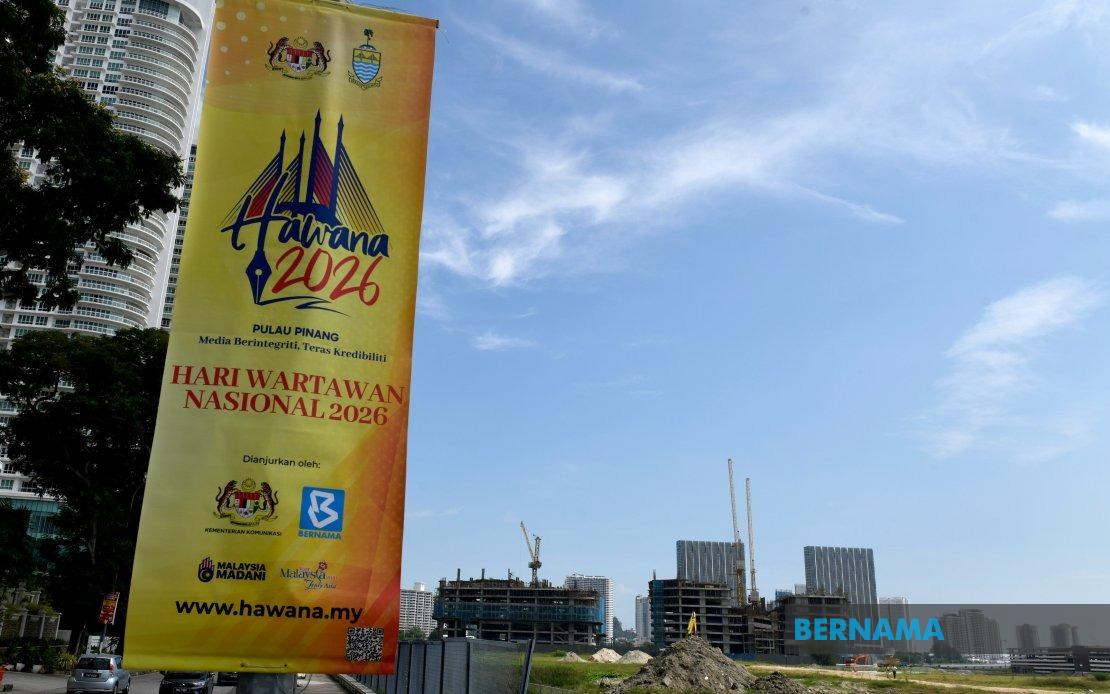
Penang is preparing to welcome the inaugural National Journalists' Day (HAWANA) 2026 celebration, a milestone that state officials believe will significantly amplify the island's profile as a premier tourism and creative economy destination. The event, scheduled for June 19-21 with its official ceremony on June 20, represents a watershed moment for Penang's continued positioning within Malaysia's tourism hierarchy and the broader Southeast Asian market.
The selection of Penang as the inaugural host venue underscores the state's demonstrated capability to manage large-scale international gatherings and its established reputation as a major regional tourism draw. According to Wong Hon Wai, chairman of Penang's State Tourism and Creative Economy Committee, this recognition reflects not only Penang's infrastructure readiness but also its appeal to visitors seeking authentic cultural experiences and diverse creative offerings. The decision to stage HAWANA here signals confidence in Penang's ability to deliver world-class event management while leveraging the occasion to showcase distinctive strengths that set it apart from competing destinations.
The convergence of approximately 1,000 media practitioners from across Malaysia and the broader ASEAN region will generate substantial media coverage and international attention for Penang's tourism products and cultural assets. Wong emphasized that this exposure carries high strategic value, as journalists and media representatives serve as influential gatekeepers whose reporting shapes visitor perceptions and travel decisions. The presence of regional media personnel creates opportunities for Penang to demonstrate its unique selling propositions—including its layered cultural heritage, renowned culinary traditions, diverse hospitality infrastructure, and flourishing creative enterprises. Such visibility at the regional level is particularly significant given the increasing competition among Southeast Asian cities vying for tourist arrivals and international investment.
Preliminary booking data from tourism operators suggests strong advance demand for accommodation, with Seberang Perai identified as the primary venue offering sufficient hotel capacity to service the anticipated influx of visitors and media delegations over the three-day period. This readiness reflects confidence across the hospitality sector that HAWANA 2026 will deliver meaningful business activity beyond the event itself, potentially establishing momentum for subsequent visitor arrivals. The concentration of international media attention during this period creates opportunities for hotels, restaurants, transportation providers, retail establishments, and attractions to demonstrate service quality and create positive impressions that influence future booking decisions.
Beyond accommodation, the economic ripple effects are expected to extend across multiple service sectors. Increased demand for food and beverage services, transport arrangements, shopping experiences, and visits to established tourist attractions will generate direct employment and revenue opportunities for businesses operating across these domains. Wong pointed to the multiplier effect of such events, where visitor spending flows through various economic channels and stimulates broader commercial activity. For a state like Penang, where tourism ranks as a significant economic contributor, such concentrated visitor activity translates into measurable economic benefits that extend beyond the event duration itself.
The accompanying RIUH Pi HAWANA Carnival, a free-admission public event expected to draw approximately 30,000 visitors, represents an equally important component of the overall initiative. This carnival dimension democratizes access to the broader HAWANA celebration, allowing residents and day-trippers to engage with creative sectors and local talent without barriers to entry. The participation of over 24 local creative brands and 20 food vendors ensures that the event provides tangible platforms for small and medium enterprises operating within Penang's creative economy to gain exposure, test products with new audiences, and establish commercial relationships. Such direct engagement between creators and consumers strengthens the local creative ecosystem while generating grassroots economic activity.
The live performance component featuring established and emerging Malaysian artists—including acts such as Exists, Bunkface, Masdo, Sakura Band, Budak Nakal Hujung Simpang, and Chelsea Ng—positions the carnival as a significant cultural moment for Penang's music and entertainment scenes. This programming choice validates local talent while creating content opportunities for visiting media to document and report on Malaysia's contemporary music landscape. The visibility afforded to performing artists extends their reach to regional audiences and potentially attracts booking opportunities beyond Penang's borders.
Wong's remarks regarding media's instrumental role in tourism marketing and creative economy development articulate a partnership model increasingly recognized across the region. The Malaysian media landscape, encompassing both traditional and digital platforms, possesses reach and credibility that government tourism campaigns alone cannot achieve. By providing journalists with access to authentic experiences, unique venues, and compelling stories, Penang creates conditions for organic, credible reporting that resonates more persuasively with potential visitors than conventional advertising. This symbiotic relationship—where media gain newsworthy content while destinations benefit from authentic coverage—has become central to modern destination branding strategies.
The thematic framing of HAWANA 2026 as 'Media Integrity Strengthens Credibility' reflects broader conversations within Malaysian journalism and the media landscape regarding trust, accuracy, and professional standards. This theme carries particular resonance in a regional context where media pluralism and journalistic independence remain subjects of ongoing discussion and development. By hosting this celebration, Penang positions itself as supportive of professional journalism standards and credible information dissemination—positioning that carries soft power benefits extending beyond tourism considerations to encompass broader questions of governance transparency and public trust.
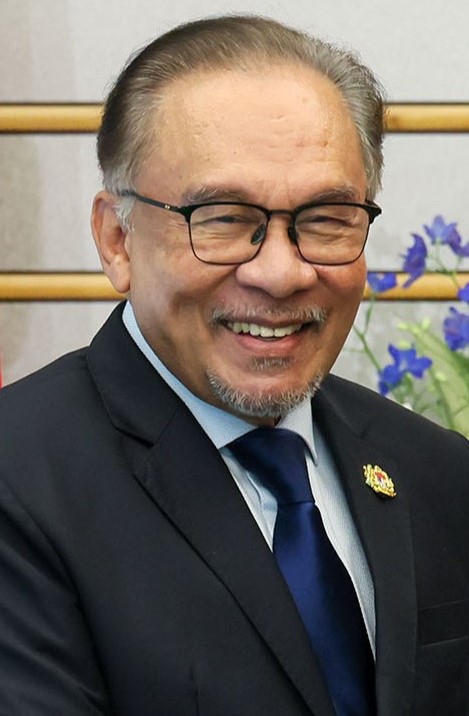
Prime Minister Datuk Seri Anwar Ibrahim's scheduled role in officiating the main ceremony at the PICCA Convention Centre @ Butterworth Arena on June 20 elevates the event's national profile and signals federal government endorsement of both the celebration itself and Penang's role as host. This high-level political engagement underscores the administration's commitment to supporting event-driven economic development strategies and recognizing regional contributions to national tourism objectives. The prime ministerial participation also creates additional media interest and newsworthiness that extends the event's informational reach beyond the immediate attendee community.
For Southeast Asian readers and tourism professionals, HAWANA 2026 represents a case study in destination marketing through event hosting—a strategy increasingly deployed by regional cities seeking to differentiate themselves within competitive tourism markets. Penang's success in attracting this inaugural celebration reflects accumulated investments in infrastructure, hospitality capacity, and cultural assets over preceding years. The event demonstrates how Malaysian states are leveraging national platforms and international media engagement to strengthen regional positioning and generate sustainable tourism growth.
The organizational structure, with the Ministry of Communications providing oversight and Bernama executing implementation, reflects a coordinated approach to event delivery that combines government resources with specialized media sector expertise. This institutional arrangement ensures that event logistics align with journalistic sector requirements and professional standards while maintaining consistency with broader national communications objectives. For other regional destinations considering similar event strategies, the Penang model offers insights into effective inter-agency coordination and stakeholder engagement.