The HAWANA 2026 Summit, which officially opens in Butterworth tomorrow with Prime Minister Datuk Seri Anwar Ibrahim presiding, features an extensive photographic exhibition that traces the journey of National Journalists' Day (HAWANA) and the tangible impact of its charitable arm, Tabung Kasih@HAWANA. The dual-segment gallery immortalises both the institutional memory of celebrations spanning eight years and the human stories of journalists and media veterans whose lives have been transformed through financial assistance and support.
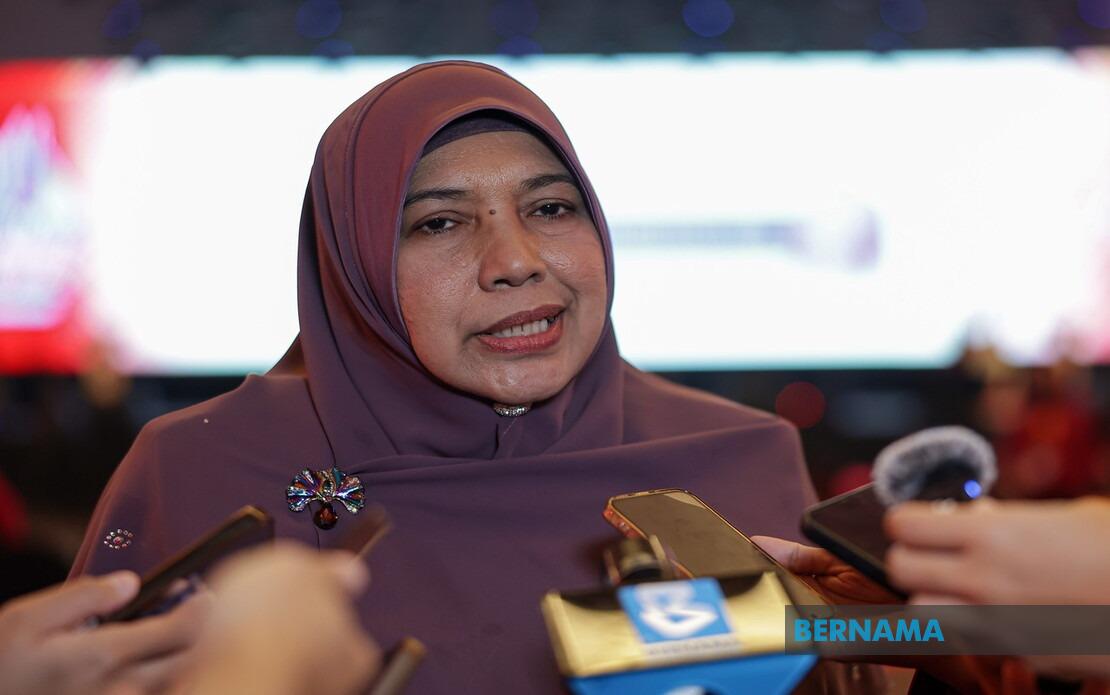
According to Datin Paduka Nur-ul Afida Kamaludin, chief executive officer of the Malaysian National News Agency (Bernama) and chair of the HAWANA 2026 Working Committee, the exhibition represents a critical moment of transparency for an agency that has historically operated behind the scenes in the news ecosystem. Bernama, as both the secretariat of Tabung Kasih@HAWANA and the coordinating body for HAWANA celebrations, has maintained a relatively quiet public profile despite its substantial institutional role in supporting the media industry. This gallery effectively shifts that narrative by documenting the agency's contributions and making visible the mechanics of charitable fundraising and disbursement within the journalism profession.
The decision to foreground the beneficiaries of Tabung Kasih@HAWANA carries particular significance for Malaysia's media landscape. The fund targets journalists and veteran media practitioners facing health crises, financial hardship, or life circumstances beyond their professional control. By presenting these stories through carefully selected photography, the exhibition underscores a reality often obscured in discussions about media freedom and journalism quality—that individual practitioners frequently lack robust social safety nets or occupational insurance. The visual testimony acknowledges systemic vulnerabilities within an industry that has contracted significantly over the past decade due to digital disruption and advertising revenue migration.
Mohamad Bakri Darus, editor of Bernama's Photo Desk, explains that the curatorial process involved deliberate selection and contextualisation to serve Malaysian audiences across linguistic and cultural divides. Each photograph carries bilingual captions in Malay and English, a practical decision that reflects Malaysia's multilingual media consumption patterns and ensures accessibility for journalists from both vernacular and English-language newsrooms. This attention to linguistic inclusivity suggests that HAWANA's membership encompasses the full breadth of Malaysia's media ecosystem, from Kuala Lumpur's commercial broadcasters to regional journalists in smaller cities and rural areas.
The geographic range of HAWANA venues documented in the exhibition—Kuala Lumpur (2018 and 2025), Melaka (2022), Ipoh in Perak (2023), and Kuching in Sarawak (2024)—demonstrates a deliberate strategy of decentralisation that extends the celebration beyond the capital. By rotating HAWANA between major urban centres, the organisers acknowledge that journalism transcends Kuala Lumpur's media establishment and reaches into provincial newsrooms, local television stations, and community broadcasters. This geographical consciousness suggests an understanding that regional media practitioners face distinct professional challenges and that HAWANA's mission encompasses the entire national media ecosystem rather than a metropolitan elite.
The exhibition structure itself—divided between institutional history and individual beneficiary narratives—creates a narrative arc that connects abstract institutional achievement with concrete human outcomes. Eight years of HAWANA celebrations have produced measurable results: journalists have received emergency assistance, healthcare support, and social recognition. Yet the prominence given to individual stories prevents the exhibition from becoming merely an institutional hagiography. Instead, it functions as a form of collective testimony about precarity within professional journalism in Malaysia, where freelancers, agency staff, and regional journalists often lack employment contracts that provide health insurance, pension contributions, or income security during periods of unemployment or illness.
The programming elements documented in the gallery—Strategic Partner Meetings, Media Forums, the HAWANA-DBP Pantun Festival, carnival activities, exhibitions, and sports events—reveal HAWANA's multifaceted approach to community building. The inclusion of traditional cultural elements like the Pantun Festival (in collaboration with Dewan Bahasa dan Pustaka) suggests that HAWANA conceptualises journalism not as an isolated profession but as an integral component of Malaysian culture and national identity. This framing elevates media practitioners from technicians producing commodity news to cultural custodians contributing to national discourse and literary heritage.
For Malaysian readers, the exhibition carries implications that extend beyond nostalgia or professional self-congratulation. It documents a philanthropic response to occupational vulnerability at a moment when employment structures across the media industry have fundamentally transformed. The rise of freelancing, the contraction of full-time journalism positions, and the precarity of digital-native media organisations mean that younger journalists increasingly lack the employment benefits their predecessors assumed were standard. Tabung Kasih@HAWANA represents a collective acknowledgement that market mechanisms alone cannot sustain individual journalists through inevitable crises, whether health-related, financial, or personal.
The timing of this exhibition during the 2026 summit also reflects institutional memory work at a potentially critical juncture for Malaysian media. As digital platforms continue reshaping news consumption, and as ownership structures become increasingly concentrated, documenting HAWANA's evolution serves as a record of professional solidarity and collective action during a period of profound transformation. The gallery thus functions as both celebration and archive, preserving evidence of how Malaysia's journalism community has attempted to support its own members even as external pressures have intensified.
Nur-ul Afida's emphasis that the exhibition aims to "appreciate the role of the media and their participation in the celebration" also contains a subtle reframing. Rather than positioning HAWANA as Bernama's gift to a grateful profession, she articulates it as a space where journalists themselves are active participants in shaping an initiative designed for their collective benefit. This conceptual shift from charity to community participation suggests that HAWANA represents something more sophisticated than top-down assistance—it embodies a vision of professional journalists as architects of their own institutional support structures.
The bilingual documentation and careful photographic selection ensure that this exhibition will serve future scholars and journalists seeking to understand Malaysia's media ecosystem during the 2018–2026 period. By preserving visual and narrative evidence of HAWANA's operations, the gallery creates a historical record that can inform subsequent initiatives designed to support journalism and journalists. Whether future generations inherit a more secure media landscape or face continued precarity, this documentation provides baseline evidence about how one profession attempted to address its collective vulnerabilities during an era of rapid transformation.

