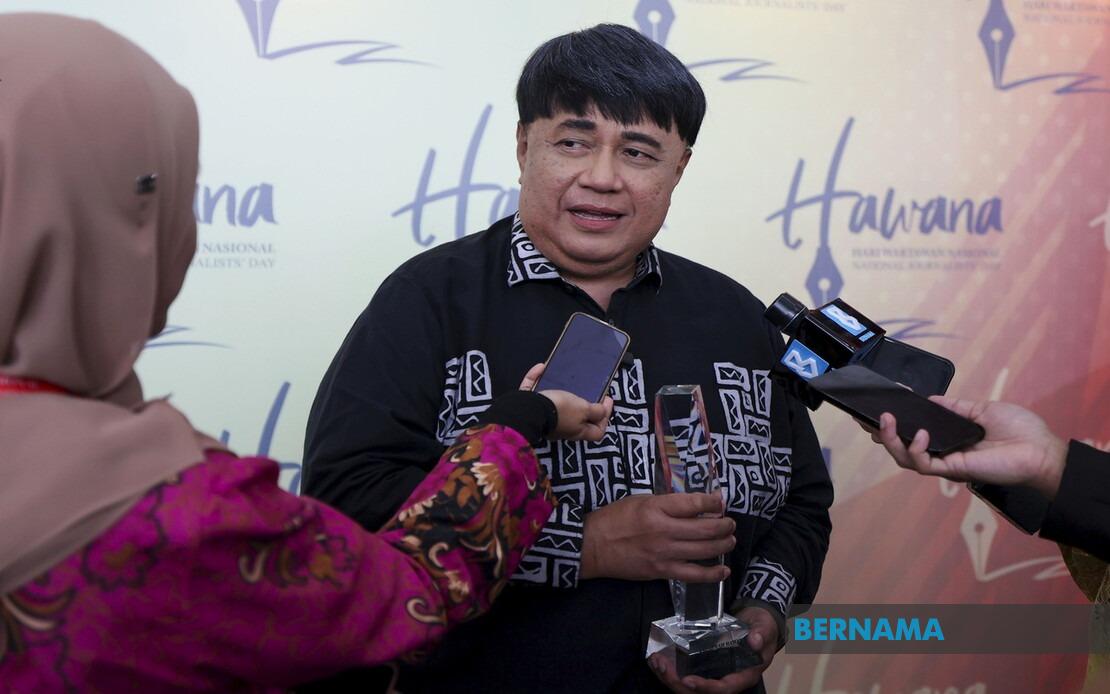
The HAWANA 2026 Summit in Penang has reaffirmed the enduring significance of Malaysia's National Journalists' Day as a crucial gathering point for the country's media fraternity. Held under the theme Media Integrity Strengthens Credibility, the event brought together approximately 1,000 media practitioners, journalists, and representatives from several ASEAN nations to reflect on the journalism industry's trajectory and address the pressing issues confronting the profession in an era of rapid technological transformation.
Ashwad Ismail, director-general of Radio Televisyen Malaysia, articulated why HAWANA continues to serve as more than a ceremonial occasion. He described the platform as the "heart" that unites scattered members of the media profession, offering an annual opportunity for the industry to take stock of its accomplishments, honestly assess shortcomings, and recalibrate its course. In Ismail's view, the gathering provides essential space for reflection that goes beyond surface-level celebration, enabling media organisations, content creators, and journalists to examine what they have executed successfully in the preceding year and where gaps in performance or ethical standards may have emerged.
The summit's timing proves particularly significant given the contemporary pressures reshaping journalism globally. Ismail emphasized that HAWANA provides an invaluable forum for industry stakeholders to engage substantively with the future of journalism as it grapples with unprecedented technological change, the integration of artificial intelligence into newsrooms and content distribution, and various emerging operational and ethical challenges. For Malaysian journalists navigating an increasingly complex media ecosystem, this collective conversation offers a rare opportunity to move beyond individual organisation silos and consider sector-wide responses to shared predicaments.
The event, officiated by Prime Minister Datuk Seri Anwar Ibrahim and hosted at the PICCA @ Arena Butterworth Convention Centre, attracted a notably high-level attendance that underscored the government's commitment to supporting the media sector. Beyond the Prime Minister, attendees included Penang Chief Minister Chow Kon Yeow, Communications Minister Datuk Fahmi Fadzil, and international representatives including Timor-Leste's Secretary of State for Social Communication Expedito Loro Dias Ximenes, signalling HAWANA's growing regional profile and its potential relevance to broader Southeast Asian journalism communities.
Siti Nor Aina Omar, a lecturer at Han Chiang University College of Communication and former industry practitioner, offered an academic perspective on HAWANA's institutional value. She characterised such events as essential mechanisms for acknowledging journalists' contributions and sustaining professional identity within the broader society. From her vantage point spanning both academic study and practical experience in journalism, Omar sees programmes like HAWANA as vital affirmations of the profession's worth, serving to honour both established figures who shaped Malaysian journalism and rising practitioners carrying the profession forward.
This recognition function resonates particularly with working journalists in the field. Siti Zubaidah Zakaria, a 17-year veteran with Sinar Harian in Kedah, articulated how HAWANA functions as a tangible acknowledgment of the often-unheralded sacrifices that journalism demands. She views the summit's continuation as essential to maintaining this recognition, while simultaneously arguing that such platforms should catalyse concrete improvements in journalists' working conditions. Zakaria's perspective highlights a tension within the profession: while ceremonial recognition matters, media practitioners increasingly expect institutional commitment to enhancing welfare provisions and ensuring journalists possess adequate equipment and resources to produce the accurate, truthful reporting that remains foundational to democratic societies.
The summit's thematic focus on media integrity and credibility addresses anxieties that have intensified across Southeast Asia in recent years. As misinformation proliferates, audiences lose confidence in news sources, and commercial pressures fragment the industry, Malaysian journalists have become acutely aware that their profession's survival depends upon demonstrable commitment to ethical standards and transparent sourcing. By making media integrity the central theme, HAWANA 2026 signals that the industry is taking seriously the existential threat posed by credibility erosion and the public's declining trust in journalistic institutions.
The Communications Ministry's decision to organise HAWANA 2026 with Bernama as the implementing agency reflects government recognition that the health of Malaysia's media ecosystem serves broader national interests. A journalism profession marked by integrity, professionalism, and collective standards benefits not only media organisations but the entire information environment upon which citizens depend to make informed decisions. This alignment of government and industry interests suggests a shared understanding that media development and media responsibility remain intertwined.
The participation of practitioners from multiple ASEAN countries points toward HAWANA's evolving significance beyond Malaysia's borders. As regional media landscapes face comparable disruptions from technological change and emerging challenges to journalistic independence and sustainability, the summit offers opportunities for cross-border learning and the development of shared professional standards. For Malaysian journalists, this regional dimension positions them as potential leaders in addressing challenges that affect journalists throughout Southeast Asia.
Yet the summit also reflects underlying tensions within the profession that ceremonial gatherings alone cannot resolve. The recurring emphasis on improved welfare and adequate work equipment suggests that many Malaysian journalists operate under resource constraints that make consistent, quality journalism difficult. While HAWANA provides valuable space for collective reflection and professional recognition, the journalism sector continues to struggle with commercial sustainability, competitive pressure from digital platforms, and questions about whether traditional news organisations can adequately compensate journalists in an era of fragmented advertising revenues.
Moving forward, HAWANA's continued relevance will likely depend on whether it evolves beyond recognition and reflection toward advocacy and concrete initiatives. Media practitioners appear to expect the summit to catalyse improvements in the profession's material conditions and institutional support. The challenge for organisers lies in translating the professional solidarity generated by such gatherings into tangible policy changes, funding mechanisms, and industry standards that address journalists' substantive concerns about welfare, equipment, and the enabling conditions for quality journalism.
The HAWANA 2026 Summit thus represents both affirmation and aspiration within Malaysian journalism. It affirms that the profession remains valued by political leadership, cherished by practitioners, and considered vital to national interests. Yet it also implicitly acknowledges that journalism faces challenges requiring more than ceremonial recognition. As Malaysian journalists continue navigating technological disruption, changing reader behaviour, and evolving threats to press freedom, platforms like HAWANA become increasingly important as spaces where the profession can collectively consider its future and mobilise collective responses to shared challenges that no individual newsroom can address alone.

