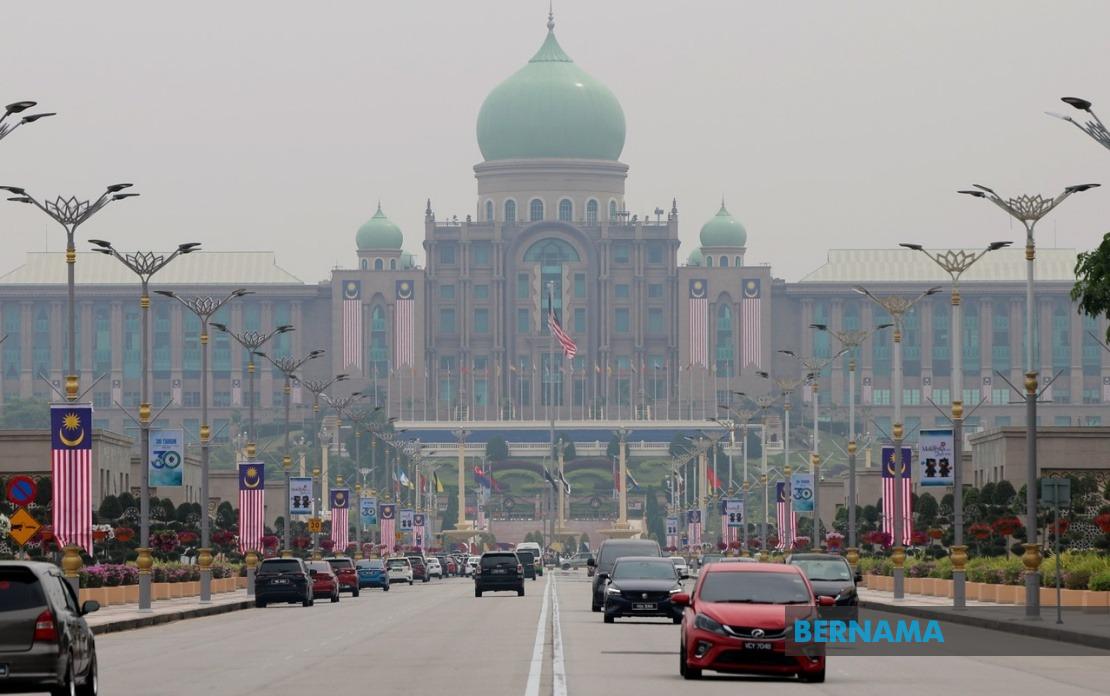
Malaysia's air quality faces a significant deterioration over the coming days, with the Malaysian Meteorological Department projecting hazardous conditions across multiple states through the end of August. The forecasted poor visibility and elevated particulate matter concentrations present a considerable challenge as the country prepares to observe its National Day on August 31, raising questions about the logistics of large-scale public gatherings and the government's contingency planning.
According to MetMalaysia director-general Dr Mohd Hisham Mohd Anip, the haze situation stems from a combination of meteorological factors and transboundary pollution. Southwest monsoon winds are expected to persist throughout the forecast period, creating atmospheric conditions that trap pollutants and prevent natural dispersal. Compounding this challenge is the persistence of numerous burning hotspots across southern Sumatra and western Kalimantan in neighbouring Indonesia, regions that have historically served as major contributors to Malaysia's seasonal air quality problems during the dry season.
The MyCMAQ air quality forecasting model, which integrates Malaysian meteorological data with atmospheric modelling, indicates that Sarawak faces the most severe threat. The state's geographical position and prevailing wind patterns make it particularly vulnerable to transboundary haze transport. MetMalaysia's analysis suggests that most districts in Sarawak will experience hazy conditions classified as Unhealthy on the Air Quality Index scale, with several areas potentially reaching the Very Unhealthy category on August 30 and 31. This represents a public health concern requiring urgent preventive measures and public awareness.
Beyond Sarawak, other regions are also expected to experience degraded air quality. Sabah is forecast to transition into hazardous conditions beginning this Saturday, while the peninsula's western corridor faces ongoing haze pressures. Johor, Melaka, Negeri Sembilan, Selangor, Kuala Lumpur, and Putrajaya are all anticipated to contend with elevated haze concentrations extending through August 31. The clustering of affected areas in Peninsular Malaysia's industrial and population-dense heartland raises particular concerns, given the concentration of residents, economic activities, and vulnerable populations including elderly citizens and those with respiratory conditions.
The timing of this air quality crisis creates a scheduling dilemma for the government. National Day celebrations scheduled for August 31 typically involve large outdoor gatherings, military parades, and public events that would expose participants to poor air quality. Communications Minister Datuk Seri Fahmi Fadzil publicly acknowledged that authorities are actively considering whether to scale down the scale of festivities or relocate planned events to better protect participants from hazardous air conditions. Such decisions require balancing patriotic observances with public health imperatives, a tension that frequently emerges during Southeast Asia's seasonal haze episodes.
Prime Minister Datuk Seri Anwar Ibrahim has encouraged Malaysians to maintain optimism regarding air quality management, urging prayers that conditions remain manageable as the nation approaches both National Day and Malaysia Day on September 16. His public statements reflect the government's acknowledgment of the situation while attempting to project confidence in authorities' preparedness. The comments also underscore the interconnected nature of Malaysia's two major national celebrations, as extended haze could potentially affect preparations and festivities for both occasions.
MetMalaysia has committed to continuous monitoring and regular forecast updates as atmospheric conditions evolve. The department's approach emphasises adaptive responses based on real-time data collection and updated modelling results. This ongoing surveillance capacity is essential given the inherent unpredictability of transboundary pollution dynamics and the possibility of unexpected meteorological changes that could either alleviate or exacerbate the situation. The public can anticipate revised guidance as the critical period approaches.
The episode highlights Malaysia's vulnerability to seasonal transboundary air pollution, a recurring challenge that reflects the interconnectedness of Southeast Asian atmospheres. Indonesia's vast forest and agricultural burning operations, whether intentional land-clearing or uncontrolled wildfires, generate emissions that transcend national boundaries, creating externalities that Malaysian authorities cannot unilaterally control. This geographical reality underscores the importance of bilateral and regional cooperation on environmental management and forest conservation, issues that have featured in Malaysia-Indonesia diplomatic discussions for decades with mixed results.
For Malaysian citizens and businesses, the impending haze carries practical implications requiring proactive preparation. Vulnerable populations, including young children, elderly residents, and those with asthma or cardiovascular conditions, should begin implementing protective measures such as acquiring N95 or KN95 respirators and planning to limit outdoor exposure during peak haze periods. Schools and workplaces may need to adjust schedules or implement remote arrangements depending on pollution severity. Businesses relying on outdoor operations face potential disruptions, while transportation sectors may experience visibility-related challenges.
The convergence of environmental pressure and national celebration obligations reflects broader challenges facing rapidly developing Southeast Asian nations attempting to balance economic activities with environmental protection and public health. Malaysia's response to this haze episode will likely influence regional perceptions of the government's environmental governance capabilities and crisis management effectiveness. The decisions regarding National Day celebrations will carry symbolic weight beyond the immediate logistics, signalling how seriously authorities prioritise air quality concerns against other national interests.

