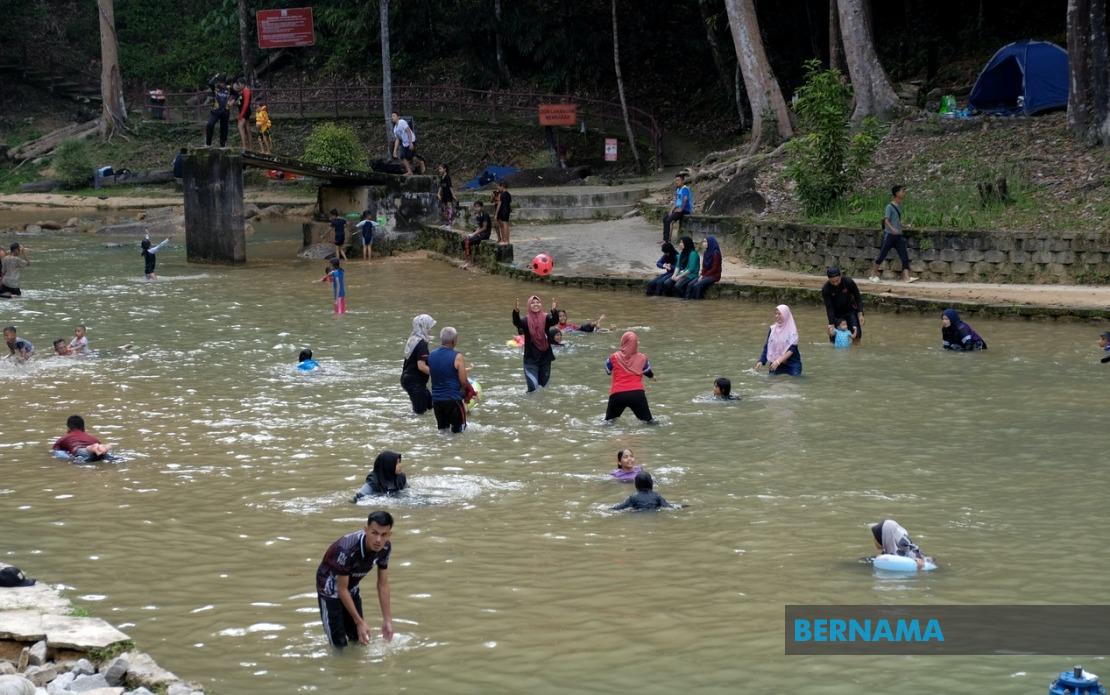
The Pahang State Health Department (JKNP) has launched a formal investigation into allegations that multiple visitors to a recreational area near Bentong contracted acute gastroenteritis after bathing in a river, with reported symptoms including diarrhoea, vomiting, and fever. The inquiry reflects growing public health vigilance across the state as outdoor recreational activities remain popular during school and work holidays, particularly in river destinations that attract families from Kuantan and surrounding districts.
An initial assessment by JKNP has not uncovered evidence of a widespread outbreak. Significantly, no official notifications of food poisoning incidents or unusual spikes in acute gastroenteritis cases have been recorded through the state's established disease surveillance network, suggesting that if cases did occur, they remain isolated or may not have been formally reported to healthcare facilities. This finding carries important implications for understanding disease reporting gaps in Malaysia, where not all illness cases reach the formal health system, particularly in rural or semi-rural recreational areas distant from major towns.
As part of systematic investigation protocols, JKNP dispatched teams to Sungai Benus in Janda Baik on June 14 to collect raw water samples from multiple locations along the river. These specimens underwent microbiological analysis to detect bacterial, viral, and parasitic pathogens commonly associated with waterborne gastroenteritis. Laboratory results remain pending, and health authorities have indicated these findings will be crucial in determining whether the river water itself was contaminated or whether exposure occurred through other environmental sources at the recreational facility.
The department is simultaneously pursuing multiple investigative and preventive tracks to contain potential risk. Active case detection efforts are underway in surrounding health facilities, both government and private, to identify any additional patients whose illness might be epidemiologically linked to the Bentong incident. Public and private healthcare providers in the region have been alerted to enhance surveillance and report any clusters of acute gastroenteritis that warrant further investigation. This dual-facility approach ensures that cases presenting at private clinics, which serve affluent visitors, do not escape detection alongside those attending government health centres.
Epidemiological investigations are concurrently examining the exposure history of reported cases, attempting to pinpoint specific locations, activities, or food and water sources that preceded symptom onset. Investigators are identifying risk factors such as the duration of water immersion, whether bathers swallowed river water, consumption of food from local vendors, and conditions at sanitation facilities within the recreational complex. This systematic tracing is particularly important in Malaysia's tropical climate, where waterborne pathogens proliferate rapidly and multiple transmission routes often coexist at popular outdoor venues.
JKNP is collaborating with relevant government agencies to conduct comprehensive water quality assessments beyond microbiological testing, likely including chemical and physical parameters that might indicate contamination sources. Authorities are seeking to identify potential pollution sources that could explain the reported cases, which may include upstream sewage discharge, livestock waste, human sanitation practices at informal settlements, or industrial effluent. Such investigations often reveal that recreational water contamination stems from multiple sources rather than a single point, complicating both prevention and remediation efforts.
Facility operators at recreational premises face explicit requirements under public health guidelines to maintain sanitation infrastructure, ensure safe drinking water supplies, and properly manage sewage systems. JKNP's statement serves as a reminder that substandard facilities—common at privately managed riverside recreation sites in less developed areas of Pahang—create environments where waterborne diseases flourish. Regular maintenance and compliance monitoring by health inspectors remain inconsistent across Malaysia's smaller recreational ventures, particularly those operating without formal licensing or oversight mechanisms.
The health department has directed public attention toward recognition of post-recreational illness symptoms. Residents and visitors who experience diarrhoea, vomiting, abdominal pain, or fever following river activities are urged to seek prompt medical evaluation rather than self-treating at home. Early diagnosis and treatment not only improve individual outcomes but also enable healthcare providers to report cases through surveillance systems, creating the epidemiological data necessary for public health response. This public messaging reflects a broader Malaysian health strategy emphasising community participation in disease detection.
The Ministry of Health has committed to ongoing monitoring and transparent communication regarding investigation developments, including release of laboratory results and epidemiological findings as they become available. This approach aims to balance legitimate public concern about water safety with the need to avoid speculation that could unnecessarily alarm recreational users or damage the reputation of the Bentong area's tourism industry. Malaysian health authorities have historically recognised that panic-driven rumour can reduce health-seeking behaviour and undermine confidence in official information sources, necessitating careful, fact-based communication.
For Malaysian readers accustomed to regular river recreation, this incident underscores broader Southeast Asian vulnerabilities regarding water safety at informal recreational sites. Unlike developed nations with stringent water quality monitoring, many regions in Malaysia depend on periodic inspection and self-compliance by private operators. The Bentong situation illustrates the importance of travellers practising preventive hygiene—avoiding water ingestion, showering promptly after swimming, and ensuring food hygiene when dining at riverside facilities. Families planning recreational visits to rural rivers should verify sanitation conditions and consider bringing bottled water rather than relying on on-site facilities.