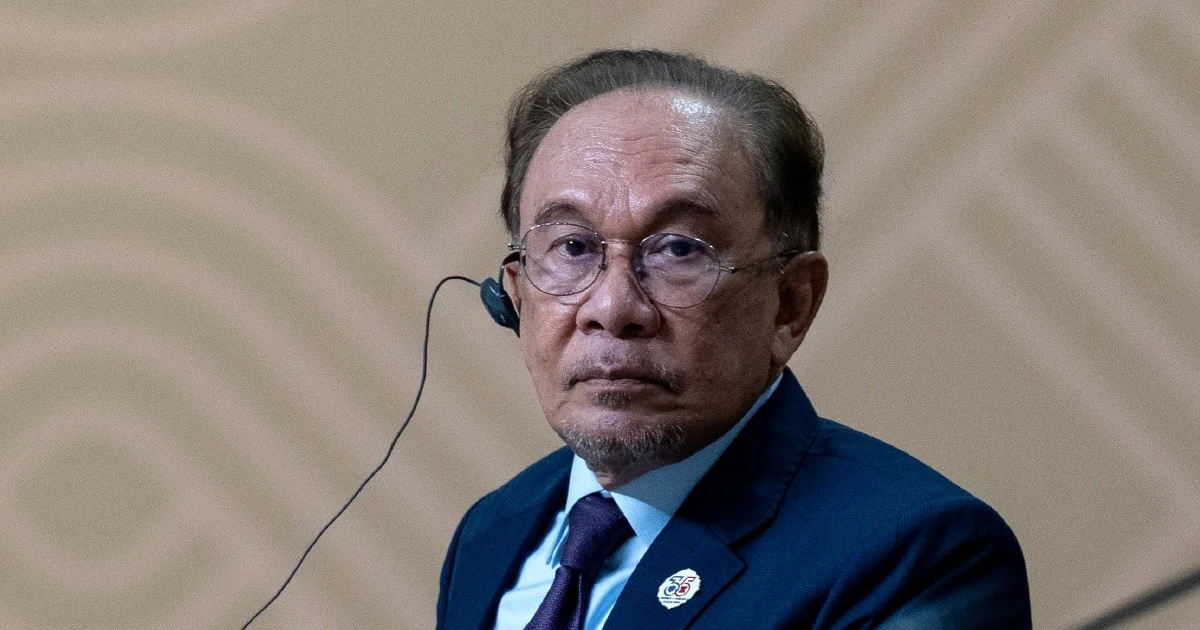
The High Court in Kuala Lumpur has granted Prime Minister Datuk Seri Anwar Ibrahim's request to be relieved of his obligation to give testimony in a RM30 million civil lawsuit, overturning an earlier order that would have compelled his appearance as a witness. The judicial decision represents a significant development in the protracted legal matter and marks another instance where the court has acknowledged the operational demands placed on Malaysia's top political office.
The case involves allegations centred on Vinod Sekhar, with the substantial financial claim underscoring the serious nature of the underlying dispute. The identity of the parties pursuing the lawsuit and the precise circumstances that prompted the original subpoena remain important contextual factors in understanding the court's reasoning for the exemption granted to the Prime Minister. Civil litigation of this magnitude typically involves complex commercial or financial arrangements that require detailed factual testimony from multiple witnesses.
Anwar's legal representation mounted a formal application seeking to set aside the subpoena, arguing grounds that would have been deemed sufficient by the High Court to justify exempting the head of government from ordinary witness obligations. The court's acceptance of this application reflects established legal principles regarding the immunity and protection extended to those holding the highest constitutional offices. Such exemptions are not automatically granted; they require judicial assessment of competing interests between the administration of justice and the practical functioning of government.
The exemption granted to Anwar is consistent with longstanding common law traditions and constitutional conventions that recognise the unique position occupied by serving prime ministers. Courts have historically balanced the need for comprehensive evidence in civil proceedings against the reality that calling upon a nation's chief executive to testify could disrupt essential governmental functions. The Malaysian judiciary's approach in this instance aligns with precedents established in Commonwealth jurisdictions that grapple with similar tensions between judicial independence and executive necessity.
For Southeast Asian observers tracking Malaysia's legal evolution, this ruling underscores how domestic courts navigate questions of privilege and immunity in an era of heightened public scrutiny. The Malaysian judiciary has demonstrated increasing willingness to subject high-ranking officials to legal accountability in recent years, making exceptions such as this one noteworthy insofar as they reveal the court's concurrent recognition that certain operational limits apply even to judicial power. The decision does not exempt Anwar from legal consequences or immunity from suit; rather, it addresses solely the procedural mechanism of compelling personal testimony.
The RM30 million sum at issue indicates substantial financial stakes in the underlying dispute, suggesting the litigation concerns significant commercial transactions or financial arrangements. The decision to exempt Anwar from testifying, however, does not necessarily imply judgment on the merits of the case or the validity of claims against other defendants. Other witnesses and documentary evidence may still provide comprehensive accounts of the events and transactions that form the basis of the civil action. Malaysian legal practice permits civil cases to proceed substantially on evidence other than direct testimony from the highest-ranking officials.
This ruling carries implications beyond the immediate parties involved. It establishes or reinforces precedent regarding the scope of witness obligations for sitting prime ministers in Malaysian civil litigation. Future plaintiffs seeking testimony from heads of government may face similar exemptions, particularly if their legal teams can demonstrate that alternative evidence sources exist or that compelling the Prime Minister's attendance would unreasonably burden governmental operations. The decision thus shapes the landscape of accountability and litigation strategy for those considering suits that might implicate national leaders.
The broader political context merits consideration. Anwar's position as Prime Minister coincides with a period of significant legal and political change in Malaysia. The court's willingness to entertain his exemption application while maintaining the broader legal integrity of the civil case demonstrates a judicial approach that seeks balance rather than blanket deference to executive interests. This nuanced stance reflects the contemporary Malaysian judiciary's attempt to uphold both rule of law principles and practical governance requirements.
Observers have noted the importance of transparent judicial reasoning in such decisions. While courts are entitled to protect sensitive governmental operations, the basis for exempting a prime minister from witness obligations should be clearly articulated in judgement documents accessible to the public. Judicial transparency in these matters reinforces confidence that exemptions are granted on principled grounds rather than political considerations. The High Court's determination in this instance contributes to the evolving jurisprudence surrounding executive accountability in Malaysia.
The exemption does not preclude the Prime Minister from providing testimony if he chooses to do so voluntarily, nor does it prevent other parties to the litigation from obtaining evidence through alternative means. Depositions, documentary discovery, and testimony from other witnesses may collectively provide the factual foundation necessary for the court to adjudicate the RM30 million dispute. The civil justice system in Malaysia continues to function effectively even when certain procedural accommodations are made for senior government figures.
Looking forward, this ruling may influence how Malaysian courts handle similar applications from other cabinet members or government officials in complex civil litigation. The judicial reasoning employed to support Anwar's exemption could establish benchmarks for assessing comparable requests. As Malaysia's legal system continues to mature in its handling of cases involving high-ranking political figures, such decisions contribute to a growing body of jurisprudence that attempts to reconcile judicial independence with the practical realities of governance in a modern Southeast Asian democracy.

