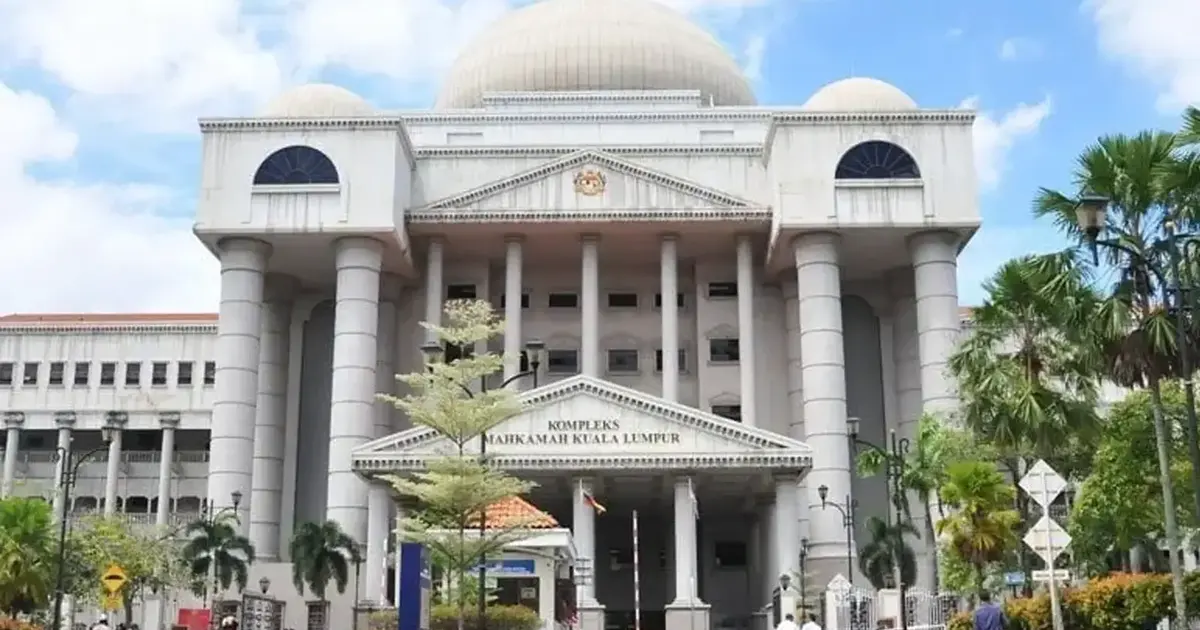
A Malaysian High Court has taken decisive action to protect investor interests by freezing assets exceeding RM14 million belonging to the East West group, a major player in the oil palm sector. The court granted a domestic Mareva injunction against the conglomerate, a legal tool designed to prevent the movement or dissipation of assets during litigation. This interim measure represents a significant development in a civil dispute involving the company and its investors, signalling judicial concern about potential asset flight before the substantive case reaches conclusion.
The Mareva injunction mechanism, though familiar in commercial litigation across common law jurisdictions, remains a powerful and carefully deployed remedy in Malaysian courts. Named after the landmark English case that established the principle, this type of injunction allows courts to restrain defendants from removing or disposing of assets where there is a credible risk that a successful plaintiff would otherwise find the judgment impossible to enforce. The issuance of such an order indicates the judge found sufficient evidence that the East West group posed a tangible risk of asset dissipation, thereby justifying the extraordinary step of freezing company resources before the civil claim has been fully adjudicated.
The oil palm industry has long been central to Malaysia's economic landscape, generating substantial foreign exchange earnings and employment across rural communities. The East West group operates within this strategically important sector, making disputes involving its governance and investor relationships matters of broader economic concern. When investment disputes escalate to asset freezing measures, they often signal underlying governance questions or disagreements about management direction that extend beyond the immediate parties involved. The company's prominence in the sector means the outcome of this litigation could have implications for how other major conglomerates manage investor relations.
The nature of the claims remains implicit in the court's decision to freeze assets, though the granting of a Mareva injunction typically follows allegations that investors have been deprived of returns, that management has misappropriated funds, or that contractual obligations have been breached in material ways. By securing the frozen assets within Malaysia's jurisdiction, the court has created a mechanism ensuring that any eventual judgment in favour of the investors could actually be satisfied. Without such protection, a defendant company facing an adverse ruling might attempt to shift assets overseas or into structures beyond creditor reach, rendering the legal victory hollow in practical terms.
Domestic Mareva injunctions differ from their international counterparts in important ways relevant to Malaysian practice. A purely domestic injunction applies only to assets located within Malaysian territory, which is precisely what the court has deployed here. This reflects the reality that while the East West group operates extensively in Malaysia, it likely maintains substantial asset holdings locally that could satisfy investor claims. The court's decision to invoke this remedy demonstrates confidence in the Malaysian legal system's ability to protect creditor interests and enforce orders against major commercial entities incorporated or operating within the country.
The timing of such interim orders matters considerably in commercial litigation. Companies facing asset freezes often experience immediate operational stress, as cash flow restrictions and the inability to deploy capital for business purposes can cripple ordinary commercial activities. The East West group now operates under constraints that will persist throughout the civil litigation process, potentially until final judgment and all avenues of appeal have been exhausted. This reality frequently incentivizes settlement discussions, as both parties must weigh the costs and uncertainties of protracted litigation against negotiated resolution.
For Malaysian investors in corporate ventures, this case underscores the protective reach of local courts when disputes arise with substantial domestic players. The availability of robust interim remedies like the Mareva injunction provides confidence that judicial intervention can preserve asset value pending substantive hearings. However, the case also illustrates how investor-company relationships can deteriorate to the point where courts must intervene to prevent what judges perceive as potential wrongdoing. Disputes serious enough to warrant asset freezing typically indicate broken governance structures or fundamental disagreements about management obligations that may take months or years to resolve through litigation.
The oil palm sector's significant role in Malaysia's economy means that major litigation involving prominent conglomerates receives careful judicial scrutiny. Courts balance the need to protect legitimate investor interests against the reality that aggressive interim orders can damage operating businesses and harm innocent stakeholders including workers and suppliers. By granting this Mareva injunction, the judge evidently concluded that investor protection outweighed these competing concerns, suggesting the underlying allegations carry serious weight.
The frozen assets will likely remain restricted until the civil suit reaches final determination, unless the parties negotiate settlement or the East West group successfully appeals the injunction decision. The company retains the right to challenge the order through the appellate process, potentially arguing that the assets are necessary for legitimate business operations or that the risk of dissipation has been overstated. These procedural possibilities ensure that the asset freeze remains subject to judicial review, preventing the remedy from becoming permanent punishment before substantive liability has been established.
Beyond the immediate dispute, this case illustrates how Malaysia's legal framework provides investors remedies when governance disputes reach crisis points. The existence of well-developed interim remedies, applied by experienced commercial judges, contributes to Malaysia's reputation as a jurisdiction where business disputes can be resolved predictably. However, the necessity of such drastic measures also suggests growing sophistication in corporate disputes, where parties increasingly deploy complex legal strategies from early litigation stages.

