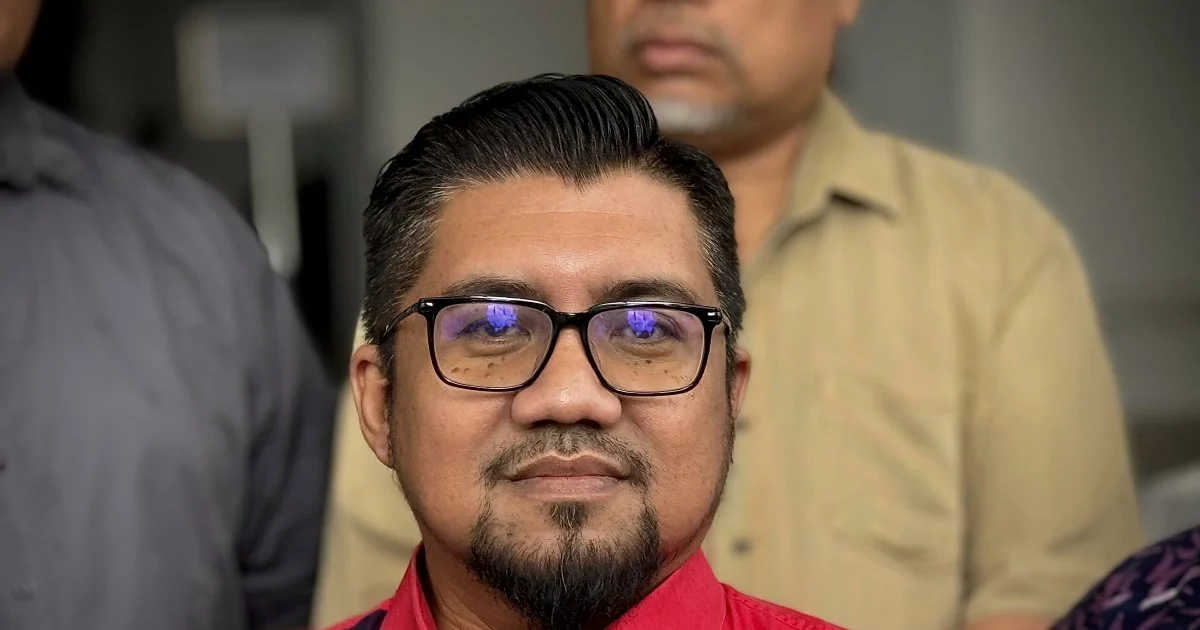
Political activist Badrul Hisham Shaharin, widely known as Che'gu Bard, faces a significant legal setback after the High Court overturned his acquittal on defamation charges linked to His Majesty Sultan Ibrahim, the King of Malaysia. The reversal means the activist must now mount a full defence against allegations that his public statements defamed the monarch, marking a pivotal moment in a case that has drawn considerable attention from civil society observers and media commentators across the region.
The case centres on remarks made by Shaharin approximately two years ago concerning what he described as a purported audience involving political leaders and the palace. These statements, according to court findings, crossed the line from political commentary into territory that the judiciary has determined constitutes defamation of the sovereign. The original acquittal, which had suggested the court found insufficient grounds to proceed, has now been reversed—a decision that reshapes the legal trajectory of this high-profile matter.
This development underscores the delicate equilibrium between free expression and respect for constitutional monarchy in Malaysia's legal framework. Activist circles and human rights organisations have long expressed concerns about how defamation laws, particularly those involving the monarchy, are applied in practice. The reversal of acquittal—rather than an initial conviction—introduces an additional layer of complexity, as it suggests the appellate process itself can alter the legal calculus even when a lower court has found grounds for dismissal.
The implications extend beyond Shaharin's individual circumstances. Malaysia's political landscape has become increasingly polarised in recent years, with debates about institutional accountability and royal prerogatives occupying prominent space in public discourse. Cases involving statements about the monarchy often generate broader conversations about the boundaries of permissible political speech and the extent to which criticism of state institutions can coexist with protections afforded to the constitutional position of the King.
For Southeast Asian observers monitoring judicial independence and rule of law developments, this case presents instructive lessons. The reversal comes at a time when regional courts are navigating complex questions about how traditional notions of respect for monarchy can be balanced against contemporary expectations of transparency and accountability. The High Court's decision signals that Malaysian courts will maintain strict interpretive standards when statements touch upon royal dignity, even when those statements are framed as political or institutional critique.
The activist's position now requires him to construct a substantive legal defence rather than rely on a finding of insufficient evidence. This demands considerable legal resources and strategic acumen, given the sensitive nature of defamation cases involving the monarchy. The burden shifts significantly from the prosecution, who must prove their case, to the defence, who must affirmatively demonstrate either the truth of the statements or other legally recognised defences available under Malaysian jurisprudence.
Such defamation cases invoking royal prerogative have emerged periodically throughout Malaysia's modern history, but they remain relatively uncommon in courtrooms. The specificity of this matter—involving a purported royal audience and alleged misrepresentation of what occurred—adds a factual complexity that may become central to Shaharin's defence strategy. Questions about what precisely was said, to whom, in what context, and with what intent will likely feature prominently in proceedings ahead.
The timing of this reversal carries additional weight given Malaysia's ongoing political evolution. The country has experienced multiple changes in national leadership in recent years, and institutional relationships between various branches of government continue to shift. In this context, cases touching upon the monarchy's public representation take on heightened significance for how they may influence broader political behaviour and the parameters within which elected officials and civic activists operate.
Civil society groups monitoring the case have indicated they view it as emblematic of larger questions about political space in Malaysia. The distinction between legitimate political critique and actionable defamation remains contested terrain, and judicial determinations in high-visibility cases contribute to establishing de facto boundaries that politicians, activists, and media practitioners must navigate. Each court decision in this category sends ripples through the political ecosystem.
For Shaharin specifically, the path forward now involves detailed preparation of his defence case. This will likely involve testimony, documentary evidence, and legal arguments addressing both the factual accuracy of his statements and the applicability of available defences under Malaysian law. The defence team faces the challenge of articulating how commentary on political matters and alleged royal interactions can be distinguished from defamatory falsehood designed to damage reputation.
The broader regional context matters as well. Other Southeast Asian democracies with constitutional monarchies—including Thailand, Cambodia, and others—maintain laws protecting royal dignity, and the outcomes of cases like Shaharin's contribute to regional jurisprudential trends and expectations about how such cases will be handled. Malaysia's approach thus carries relevance beyond its borders for understanding how monarchical institutions and political speech coexist across Asia.
As the case moves into its defence phase, Malaysian civil society, international observers, and the activist community will be watching closely. The eventual outcome will likely influence future calculations by others considering public statements about royal matters and institutional relationships. Whether Shaharin's defence succeeds or fails, the case itself represents a crucial moment in defining the intersection of monarchical respect, political expression, and judicial interpretation in contemporary Malaysia.

