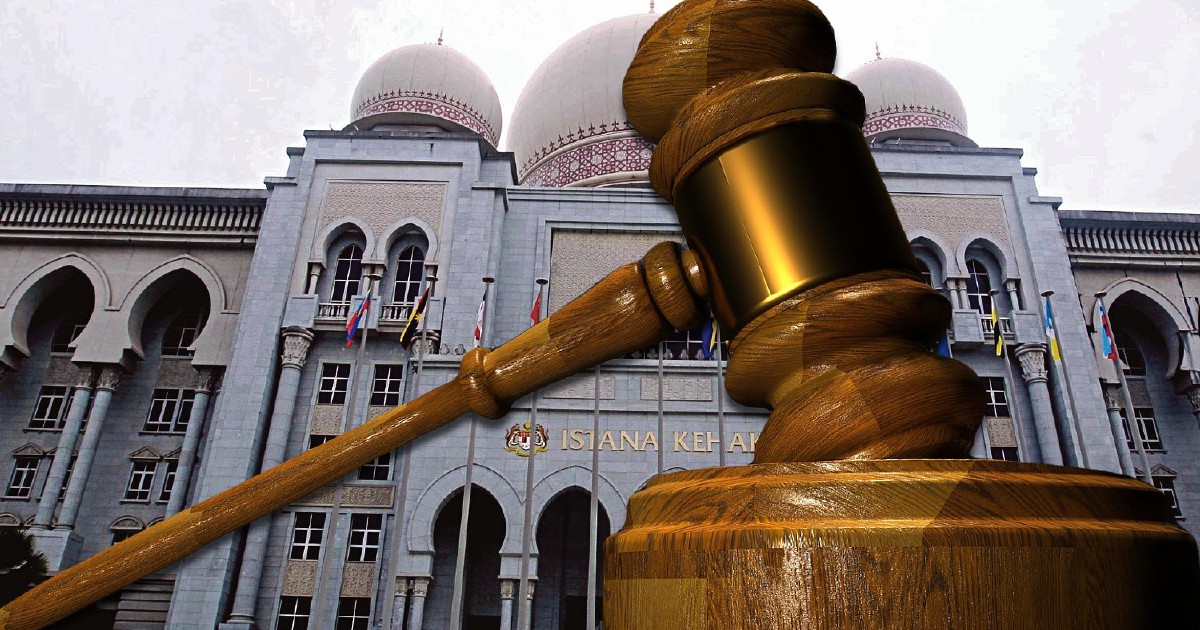
Malaysia's High Court has set September 21 as the date to resolve several foundational legal questions in a civil sexual assault case against former Prime Minister Datuk Seri Anwar Ibrahim, potentially shaping the trajectory of the proceedings before any substantive trial begins. The suit was filed by Muhammed Yusoff Rawther, who formerly worked as a research aide, and hinges on allegations of sexual misconduct that Anwar's legal team is contesting.
Preliminary issues in civil litigation serve as crucial gatekeepers, determining which arguments and evidence may proceed to trial and which may be dismissed at an earlier stage. In cases involving high-profile figures such as Anwar, who previously held the office of Prime Minister, such preliminary determinations often attract significant public attention given their potential to narrow or broaden the scope of litigation. The outcome of the September 21 hearing could substantially influence the burden of proof, applicable legal standards, and admissibility of certain categories of evidence.
This development marks another significant juncture in Malaysia's legal proceedings involving one of the nation's most prominent political figures. Anwar's legal history has been extensively scrutinised by both domestic and international observers, reflecting broader conversations about the rule of law and judicial independence in the country. The civil claim represents a distinct proceeding from any criminal matters, operating under different evidentiary standards and legal frameworks that typically afford greater latitude in the presentation of claims.
The involvement of former research personnel in litigation against senior officials raises questions about workplace dynamics, duty of care, and the power imbalances that can characterise relationships between senior figures and their staff members. Such cases frequently hinge on credibility assessments, contemporaneous documentation, and the testimony of witnesses who may have observed relevant interactions. Courts must carefully weigh evidence while remaining alert to the complexities inherent in cases where hierarchical relationships exist between the parties.
For Malaysian legal observers, the procedural pathway chosen in this case demonstrates how common law jurisdictions like Malaysia handle complex civil matters involving public figures. The preliminary issues stage allows courts to clarify legal principles, dismiss claims that lack factual or legal foundation, and establish the parameters within which evidence will be received. This approach promotes efficiency while protecting the rights of defendants to challenge unfounded allegations before incurring the substantial costs and burdens of full trial preparation.
The case also underscores ongoing discussions within Malaysian society regarding sexual assault allegations, accountability mechanisms, and the balance between protecting accusers and ensuring fair treatment of the accused. As regional attitudes toward workplace misconduct and harassment continue to evolve, cases of this nature gain heightened scrutiny from civil society organisations, legal scholars, and commentators interested in institutional reform and victim protection frameworks.
Anwar's response to the allegations through preliminary legal challenges reflects standard defence strategy in civil litigation, where parties typically contest both factual and legal foundations before proceeding to trial. Defence teams routinely raise preliminary issues to narrow the scope of claims, establish legal precedents favourable to their position, or identify deficiencies in the opposing party's case. The September 21 hearing will reveal which of the defendant's preliminary objections the court deems sufficiently substantial to address before trial commences.
The timing of this hearing also carries implications for the broader legal calendar and court scheduling in Malaysia. High Court proceedings involving prominent figures often receive expedited attention given public interest and the need to resolve matters within reasonable timeframes. The designation of a specific date signals the court's commitment to maintaining momentum in the case while allowing both parties adequate time for preparation and presentation of arguments.
Regional observers in Southeast Asia may note parallels between this case and civil litigation involving political and public figures in other jurisdictions within the region. Different legal systems approach preliminary proceedings with varying degrees of emphasis, reflecting distinct procedural traditions and judicial philosophies. Malaysia's approach, rooted in its inherited common law framework, provides mechanisms for efficient case management while safeguarding substantive justice.
Looking ahead to September 21, the High Court's determination on preliminary matters will likely establish important signposts for how the remaining litigation will unfold. Depending on which preliminary issues are resolved in whose favour, the parties may face significantly different evidentiary burdens and strategic considerations moving toward trial. The ruling will therefore represent a pivotal moment in a case that has already attracted considerable attention from legal professionals, political observers, and the broader Malaysian public.
The outcome of the preliminary hearing could also influence public discourse surrounding accountability, institutional responsibility, and the role of civil litigation in addressing grievances. Regardless of the court's determinations, the September 21 hearing represents an important procedural development in a matter that intersects questions of law, workplace conduct, and public interest. Both parties will have the opportunity to present their arguments on substantive legal grounds, and the bench will be tasked with applying established legal principles to the specific circumstances of the case.

