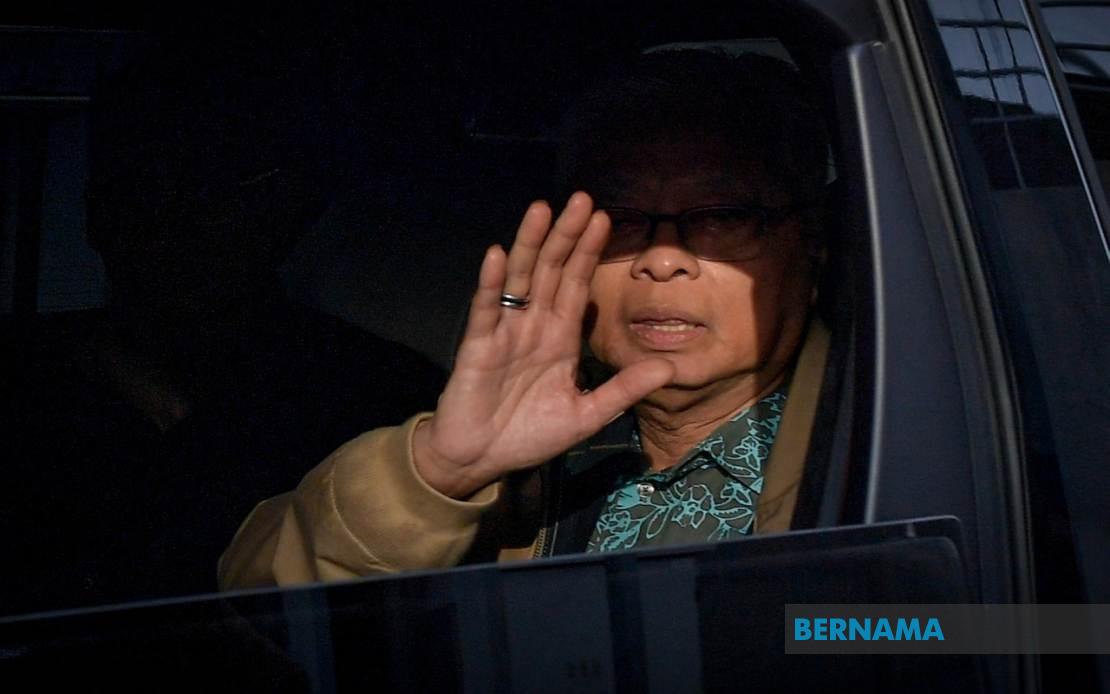
Malaysia's High Court has upheld the acquittal of blogger Jufazli Shi Ahmad in a case concerning critical videos posted against former Prime Minister Datuk Seri Ismail Sabri Yaakob and UMNO, marking another significant moment in ongoing debates surrounding online expression and political speech in the country. Judge Datuk Aslam Zainuddin dismissed the prosecution's appeal on October 18, 2024, affirming the Sessions Court's earlier decision to discharge and acquit the defendant, concluding that the state had failed to establish its case beyond reasonable doubt.
The case centred on two separate allegations spanning 2022. Jufazli faced charges for creating and transmitting an offensive communication through his 'King Maker Politik' YouTube channel on June 27 that year, with the link subsequently accessed by authorities at the Dang Wangi District Police Headquarters office on July 1. The prosecution pursued this under Section 233(1)(a) of the Communications and Multimedia Act 1998, a provision carrying substantial penalties including fines reaching RM50,000 or imprisonment for up to one year, with further daily fines possible following conviction. Additionally, Jufazli was charged with refusing to surrender the password to his YouTube account to police during an investigation on July 5, a separate violation under Section 249 of the same legislation that carried even heavier maximum penalties of RM100,000 or two years imprisonment.
The High Court's decision carries considerable implications for digital expression and online political discourse in Malaysia. Courts have increasingly grappled with balancing national security and public order concerns against citizens' rights to voice dissent, particularly toward government figures and political parties. The dismissal of the prosecution's appeal suggests judicial scrutiny of how authorities employ communications legislation in cases involving political content. This reflects growing judicial caution about weaponising legislation designed to prevent genuinely harmful communications against legitimate political commentary and criticism.
Jufazli's legal team, led by lawyer Ramesh N.P. Chandran, successfully defended against the prosecution's arguments throughout proceedings. The Deputy Public Prosecutor Mohamad Fadhly Mohd Zamry had pursued the appeal following the Sessions Court's acquittal, but the higher court found insufficient grounds to overturn the lower court's judgment. Judge Aslam's reasoned dismissal following careful examination of appeal records and both parties' submissions demonstrates the judicial process working to scrutinise whether charges genuinely correspond to actual legal violations or represent overreach.
The timing of this case reflects broader regional tensions around online political expression. Southeast Asia has witnessed proliferating cases where governments employ communications laws against digital critics, though outcomes vary significantly depending on judicial independence and evidentiary standards applied. Malaysia's experience shows courts sometimes rejecting overly broad applications, though earlier cases have resulted in convictions. This particular outcome may influence how prosecutors approach similar matters, potentially raising evidentiary thresholds and encouraging greater restraint in charging decisions.
The 'King Maker Politik' channel appears to have focused on political analysis and commentary regarding Malaysian affairs. The nature of the content and its characterisation as offensive rather than merely critical proved pivotal to the case's outcome. Courts must distinguish between communications genuinely intended to annoy or harass individuals versus those expressing political viewpoints, however bluntly. The acquittal suggests the Sessions Court and subsequently the High Court found the prosecution had not adequately demonstrated the specific intent required under the legislation.
The second charge regarding password refusal adds another dimension. While authorities possess investigative powers, courts have increasingly recognised limits on compelling individuals to provide access credentials without proper justification and legal procedures. The communications legislation provides for such charges, yet their application raises questions about proportionality and whether penalties for non-cooperation should proceed independently of substantiating the underlying alleged offence. The acquittal on both counts indicates the court rejected the prosecution's framing on this matter as well.
This development holds relevance for Malaysian civil society and digital rights advocates who have long expressed concerns about communications legislation being utilised disproportionately against political voices. The Communications and Multimedia Act 1998, predating the modern social media era, provides broad provisions that can encompass routine online expression. Judicial decisions rejecting overly expansive interpretations help clarify legitimate boundaries and protect digital expression spaces essential for democratic functioning.
The case also reflects evolving attitudes within Malaysia's judiciary toward online speech. While some courts have applied communications legislation strictly against digital critics, others have shown willingness to examine prosecutorial approaches more critically. This judgment adds to jurisprudence suggesting that mere offensiveness or political criticism does not necessarily constitute unlawful communication under Malaysian law. The substantive intent to annoy and the actual harmfulness or dangerousness of expression emerge as relevant factors courts consider when evaluating such prosecutions.
For regional observers, Malaysia's approach provides interesting comparison points. Thailand and Vietnam have pursued far more aggressive prosecutions of online political speech, while Indonesia has grappled with similar legislative challenges. Singapore maintains strict standards around political online expression, though with greater judicial transparency in reasoning. Malaysia's position occupies a middle ground where courts sometimes check prosecutorial overreach while legislation remains on the books and occasionally deployed against critics.
The implications for future cases appear significant. Prosecutors may hesitate before pursuing marginal cases involving political commentary on social media, knowing courts will scrutinise evidentiary foundations carefully. This judgment effectively sets precedent within the Sessions Court jurisdiction and influences broader prosecutorial discretion. Bloggers and content creators critical of political figures and parties may feel somewhat reassured, though the legislation remains capable of deployment against content authorities determine genuinely harmful rather than merely critical.
Jufazli's acquittal also illustrates the importance of competent legal representation in digital speech cases. The complexity of evaluating intent, context, and legal standards requires experienced counsel familiar with both communications law and evolving judicial attitudes. The availability of such representation increasingly determines outcomes in borderline cases where evidence can be interpreted multiple ways. For ordinary Malaysians engaging in political expression online, this case demonstrates that courts may ultimately protect substantive rights despite initial prosecutorial actions.
Looking forward, this judgment may encourage broader reassessment of how communications legislation functions in contemporary Malaysia. Calls have grown for legislative modernisation distinguishing between different categories of online expression and establishing clearer protections for political speech and commentary. The courts' demonstrated willingness to scrutinise prosecutions may prompt policymakers to consider whether statutory reforms could better balance legitimate security and public order concerns against citizens' rights to participate in digital political discourse.

