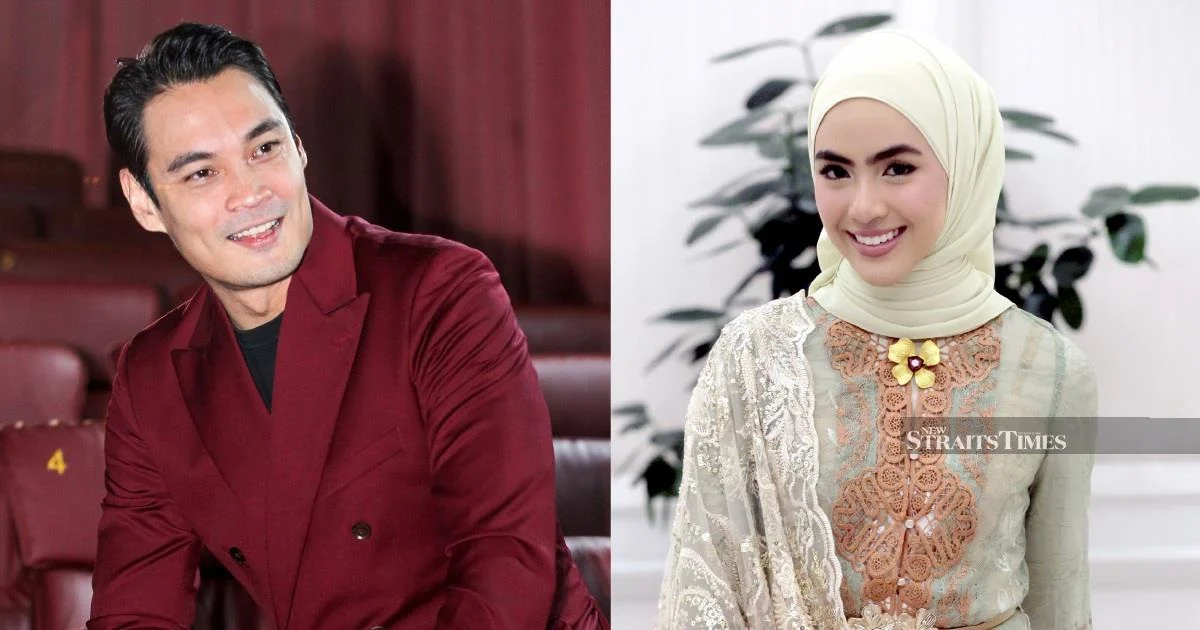
Malaysian actor Hisyam Hamid has publicly rejected allegations that surfaced recently, addressing claims suggesting he made a visit to the home of fellow actress Erysha Emyra. The controversy ignited on the Threads social media platform, where the unsubstantiated claims rapidly gained traction among users. Through his response, Hamid conveyed considerable dismay at finding himself implicated in gossip that he characterises as entirely without factual foundation.
The emergence of such rumours reflects a broader pattern within Malaysia's entertainment sphere, where actors and actresses frequently become subjects of invasive speculation and unfounded claims. Social media platforms, particularly those designed for rapid sharing and viral content, have become amplifiers for celebrity gossip that often lacks credible sources or verification. The speed at which these narratives proliferate underscores the vulnerability of public figures to reputational damage based on mere hearsay rather than substantiated reporting.
Hisyam Hamid's decision to publicly address the allegations demonstrates the importance many local entertainment personalities place on managing their public perception. Rather than allowing the narrative to develop unchecked, he has chosen to confront the claims directly, signalling to his supporters and the broader public that he does not intend to be defined by unverified accusations. This proactive approach represents a strategy increasingly adopted by Malaysian celebrities seeking to maintain control over their professional image in an era of instantaneous information dissemination.
The Threads platform, relatively newer to Malaysia's social media landscape compared to established networks, has become another venue through which celebrity rumours circulate. The platform's structure facilitates threaded conversations that can quickly accumulate commentary, often without editorial oversight or fact-checking mechanisms. For entertainment personalities, this environment presents both opportunities for direct fan engagement and risks of rapid misinformation spread that can substantially impact reputation within hours.
Erysha Emyra, the actress referenced in the allegations, has not publicly commented on the situation at the time of reporting. Industry observers note that responses from those indirectly involved in rumours vary widely, with some choosing silence while others engage directly. The approach taken often depends on the perceived severity of the allegations and an individual's personal philosophy regarding media engagement. Both silence and direct denial carry different implications for how audiences and media outlets subsequently treat such claims.
The nature of allegations targeting actors often reflects broader societal attitudes toward celebrity and privacy within Malaysia. When rumours emerge about professional relationships between industry colleagues, they frequently carry undertones suggesting inappropriate conduct, regardless of actual circumstances. This tendency reveals the gap between how the entertainment industry operates—requiring extensive on-set collaboration and shared professional spaces—and public perceptions shaped by gossip culture that interprets such proximity with suspicion.
For Malaysian entertainment professionals, managing such situations has become almost routine. Industry veterans have noted an increase in the volume and invasiveness of rumours circulating about local stars, particularly those working regularly in dramas, films, or variety shows. The democratization of content creation through social media means anyone can publish allegations without institutional accountability, creating an asymmetry in power between those making claims and those defending against them.
Hisyam Hamid's public statement serves multiple functions beyond simple denial. It sends a message to his professional contacts that he takes matters affecting his reputation seriously. It also addresses his fanbase, reassuring supporters who may have encountered the viral claims. Additionally, it establishes a record of his position should these allegations gain further traction or face renewed circulation through different social platforms in the future.
The incident highlights persistent challenges within Malaysia's digital media environment regarding verification and responsible information sharing. While social platforms offer valuable spaces for direct celebrity-fan communication and authentic engagement, they simultaneously enable rapid dissemination of unverified narratives that can cause tangible professional and personal harm. The absence of stringent content moderation on many platforms means that once claims enter circulation, controlling or counteracting them becomes exponentially more difficult for those involved.
Moving forward, this situation underscores the necessity for both entertainment professionals and social media users to exercise greater critical thinking regarding unsubstantiated claims. For Malaysian audiences, distinguishing between verified reporting from credible entertainment journalists and mere speculation shared through social platforms requires conscious discernment. The responsibility extends to content creators and users themselves, who collectively shape whether baseless allegations gain sufficient momentum to impact the careers and wellbeing of public figures.
Hisyam Hamid's response ultimately represents an attempt to establish factual clarity within a media landscape increasingly characterised by ambiguity. Whether such individual interventions prove sufficient to counter misinformation remains an open question for Malaysia's entertainment industry as it navigates the ongoing evolution of digital communication and celebrity culture.

