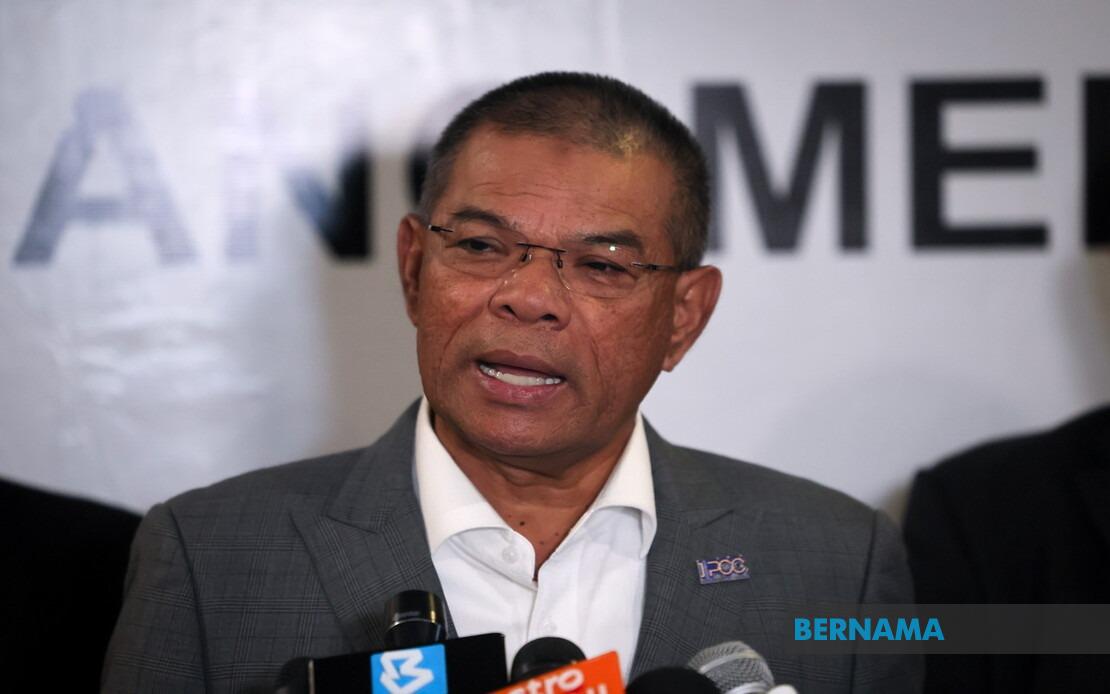
Home Minister Datuk Seri Saifuddin Nasution Ismail has directed the Malaysian Immigration Department to extend complete cooperation to investigating authorities examining the circumstances surrounding a early morning vehicle collision that resulted in the deaths of three family members in Kuala Lumpur. The minister's directive, issued through a Facebook statement, emphasises that any findings of negligence, improper conduct, or legal violations must trigger swift and decisive action against those involved.
The tragedy unfolded around 1 am on Jalan Sultan Ismail when an Immigration Department Black Maria lorry—an enclosed prisoner transport vehicle—struck multiple pedestrians at the Maju Junction intersection. According to witness accounts and preliminary reports, a family of four pedestrians was on the street when the impact occurred, resulting in three deaths and one serious injury. A Proton Saga motorist and an Inokom Matrix vehicle were also caught up in the collision sequence.
Circumstances surrounding the crash suggest potential traffic violations by the Immigration lorry. The vehicle allegedly proceeded through the intersection despite a red traffic signal in its direction of travel, though its beacon lights and siren were active. Simultaneously, a Proton Saga driver proceeding on a green light attempted to avoid the lorry but could not prevent collision. The impact caused the Immigration vehicle to skid violently across the intersection, its momentum carrying it into the group of pedestrians and the civilian vehicles present.
The Immigration lorry was operating as an empty transport vehicle at the time, en route to Chow Kit for a planned enforcement operation targeting undocumented migrants. This detail assumes significance in the investigation, as it clarifies that the vehicle carried no detainees during the incident. The specifics of the operation plan and whether standard safety protocols were followed during the journey remain subjects of ongoing inquiry.
Authorities have classified the investigation under Section 41(1) of the Road Transport Act 1987, the legal provision governing motor vehicle-related deaths and injuries. This classification indicates the case will be treated with the severity appropriate to fatal traffic incidents, with potential charges ranging from careless to dangerous driving, depending on investigation findings. The involvement of a government vehicle adds complexity, as it intersects questions of operational procedure, driver training, and departmental accountability.
Saifuddin Nasution's public statement extends formal condolences to the bereaved family, characterising the incident as a tragedy. His explicit instruction that the Immigration Department provide full cooperation signals governmental acknowledgment of public concern and sets clear expectations for institutional transparency throughout the investigative process. Such ministerial intervention, while standard in high-profile incidents, underscores the seriousness with which the Home Affairs portfolio is treating the matter.
The collision raises broader questions about operational safety within the Malaysian Immigration Department's vehicle fleet and enforcement units. Immigration enforcement activities, particularly those involving early morning raids on residential areas or businesses, require careful coordination with traffic management and public safety considerations. The incident at Maju Junction demonstrates potential risks when enforcement operations proceed on active public roads, especially during hours of reduced visibility and traffic oversight.
For Malaysian road safety discourse, the incident reinforces ongoing debates about emergency vehicle protocols and beacon light procedures. While activated sirens and beacon lights create legal permission to breach certain traffic regulations, they simultaneously impose heightened obligations on drivers to ensure the manoeuvre remains safe for other road users. Preliminary indications suggest the Immigration lorry may have proceeded through red lights without ensuring the intersection was clear, a critical distinction in determining culpability.
The involvement of a civilian vehicle—the Proton Saga—highlights the vulnerability of ordinary road users when emergency protocols intersect with busy intersections. The motorist driving on a green light had reasonable expectation of right-of-way, yet could not react sufficiently to avoid an unlawfully crossing vehicle. This scenario underscores why emergency vehicle operators bear heightened responsibility for defensive driving, regardless of their legal right to traverse intersections against traffic signals.
For Southeast Asian regional perspective, Malaysia's road safety record remains a persistent challenge, with fatal multi-vehicle collisions continuing to claim lives despite regulatory frameworks and enforcement mechanisms. This incident, involving a government vehicle, offers opportunity for systematic review of departmental safety protocols and driver training standards within enforcement agencies. The public nature of the investigation and ministerial involvement may set precedent for similar scrutiny of state vehicle operations.
The investigation will likely examine driver qualifications, rest period compliance, vehicle maintenance standards, and whether departmental procedures adequately address hazards inherent in armed enforcement operations. Questions about whether the raid operation itself was sufficiently urgent to justify early morning transport through densely populated areas may also emerge during formal questioning.
As the investigation proceeds, the Immigration Department faces pressure to demonstrate that its enforcement mission can be executed without compromising public safety on shared roadways. Saifuddin Nasution's commitment to firm action against any responsible parties establishes a clear standard: government vehicles and their operators must observe the same fundamental safety principles that bind all road users, with additional accountability given their emergency operational status and public trust considerations.

