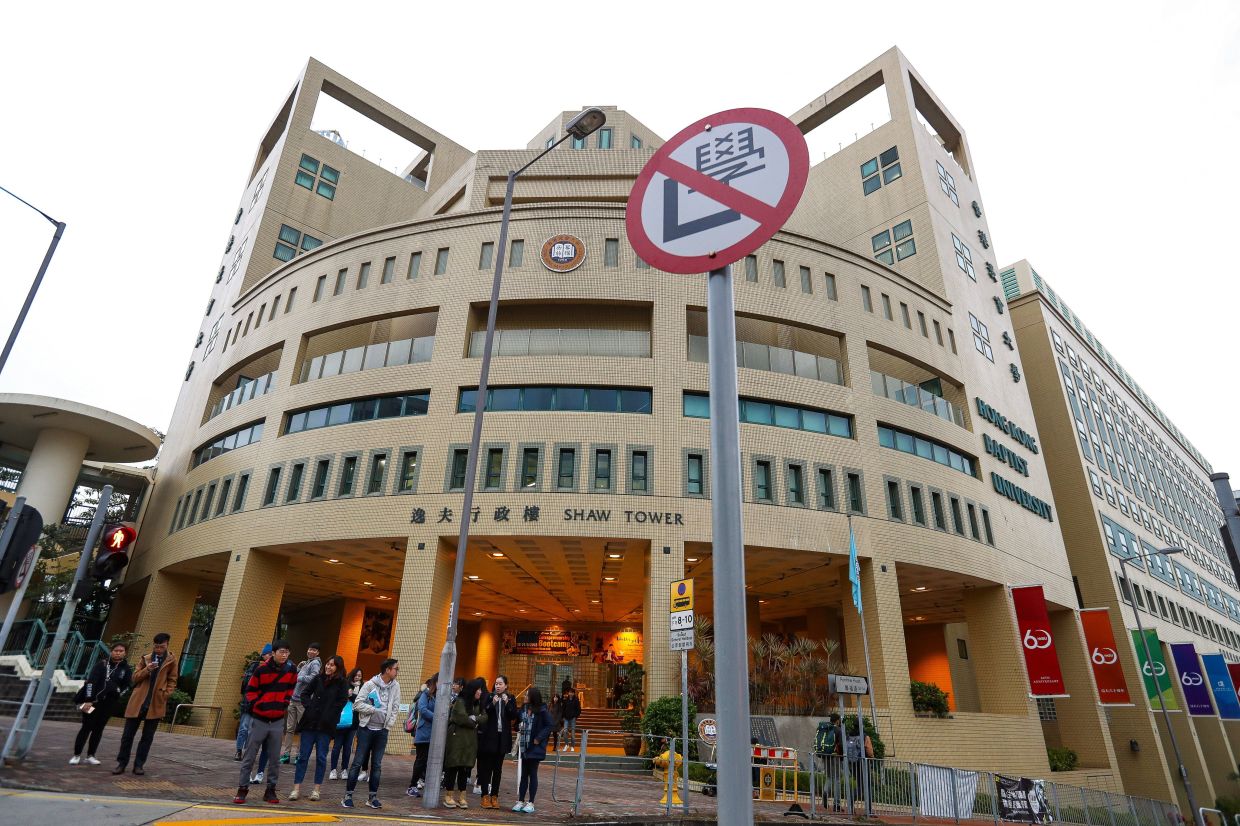
Hong Kong Baptist University is conducting an urgent security review following allegations by a sophisticated ransomware operation that it has illicitly obtained institutional data. The breach claim, published online by a cybercriminal collective known as The Gentlemen, has triggered an investigation by local authorities and prompted the university to assess the vulnerability of its information technology infrastructure and the personal information held within it.
The Gentlemen represents a relatively new but rapidly expanding threat in the global cybercriminal landscape. This advanced hacking operation emerged in the middle of 2023 and has quickly established itself as a significant player in organised cybercrime. Unlike traditional ransomware gangs that develop their own malicious software and conduct independent attacks, The Gentlemen operates under a franchise-style business model, developing and licensing extortion tools to other criminal operators willing to pay for access. This revenue-sharing approach has enabled rapid proliferation of their attack capabilities across international networks, making them a concern for institutions worldwide.
According to cybersecurity monitoring platforms tracking the incident, approximately 1,900 credentials associated with Baptist University may have been compromised through the breach. The alleged stolen data encompasses a diverse cross-section of institutional access points: roughly 130 staff member accounts, approximately 1,770 other user credentials belonging to students or contractors, and around 260 login credentials for third-party employees or service providers who maintain access to university systems. The breadth of this compromise raises significant concerns about potential exposure across multiple layers of the institution's operations and services.
The university's initial response came through a formal statement issued late Tuesday evening, confirming that it had identified a webpage making allegations of unauthorised system access. Baptist University acknowledged the claim and indicated that senior management had begun a comprehensive review of its IT security posture and the protection mechanisms surrounding stored personal data. The institution pledged to implement appropriate remedial measures through its established security protocols and signalled its commitment to maintaining close coordination with Hong Kong's regulatory authorities and law enforcement agencies investigating the incident.
Hong Kong's Office of the Privacy Commissioner for Personal Data, the statutory body responsible for protecting personal information under local law, had not received formal breach notification from the university at the time of reporting. However, recognising the seriousness of the allegation, the office proactively reached out to Baptist University to gather details about the nature and scope of the suspected breach. This initiative underscores the regulatory environment's expectation that educational institutions maintain robust data protection standards and respond transparently when security incidents occur.
Francis Fong Po-kiu, serving as honorary president of the Hong Kong Information Technology Federation, has articulated a detailed roadmap for institutional response that extends beyond basic damage control. Fong has urged Baptist University to immediately lodge a formal notification with the privacy commissioner, establishing an official record of the incident and demonstrating institutional responsibility. Beyond regulatory compliance, he has recommended that the university engage independent cybersecurity experts to conduct comprehensive forensic analysis of its systems, meticulously tracing the scope and mechanics of the breach while determining whether stolen credentials have been weaponised to access sensitive core systems or facilitate unauthorised data extraction.
The technical safeguards Fong recommends reflect industry best practices for breach response. A campuswide password reset would invalidate credentials potentially in the hands of attackers, though such measures require careful coordination to avoid operational disruption. Implementation of mandatory multi-factor authentication across institutional systems would significantly raise the barrier against unauthorised access, even if login credentials remain compromised. These steps, while operationally demanding, represent standard protocol in modern cybersecurity incident management.
Transparency represents another critical dimension of Baptist University's responsibility following this breach. Fong has emphasised the importance of clear, timely communication with affected staff and students about the investigation's progress and its preliminary findings. This communication serves multiple purposes beyond public relations: it educates the university community about potential risks they face, including social engineering attacks where criminals use legitimate-seeming communications to trick users into revealing additional sensitive information or installing malware. When users understand that their credentials may be compromised, they become better equipped to recognise and resist manipulation attempts.
The Baptist University incident illustrates vulnerabilities that extend across educational institutions globally. Universities are attractive targets for sophisticated cybercriminals because they maintain large repositories of personal information, operate complex IT systems with numerous access points, and typically employ users—students and junior staff—who may lack advanced cybersecurity awareness. The operational diversity of university environments, where thousands of users require legitimate access to systems, creates security trade-offs between accessibility and protection. Additionally, universities often operate on constrained IT budgets, making comprehensive security investment challenging.
For Malaysian and Southeast Asian institutions, the Baptist University case delivers an important cautionary message. The region's universities increasingly hold valuable digital assets and personal information, making them progressively attractive targets for organised cybercriminals. The Gentlemen's international operational footprint suggests that no institution is geographically protected from these threats. Educational establishments across Malaysia and neighbouring countries should evaluate their own security postures, assess whether their incident response procedures adequately address modern ransomware threats, and consider whether their regulatory compliance frameworks encourage sufficient transparency and accountability when breaches occur.
The broader context reveals that ransomware operations have evolved into sophisticated criminal enterprises with international reach and significant operational capability. The franchise model employed by groups like The Gentlemen democratises access to advanced attack tools, enabling less technically sophisticated criminals to conduct professional-grade operations. This development means institutions can no longer assume that cyberattacks require elite technical adversaries; rather, they may face threats from opportunistic criminals equipped with powerful tools rented from larger operations. Educational institutions must consequently adopt security strategies that assume breach is inevitable rather than merely possible, implementing resilience measures that limit damage even when initial compromise occurs.

