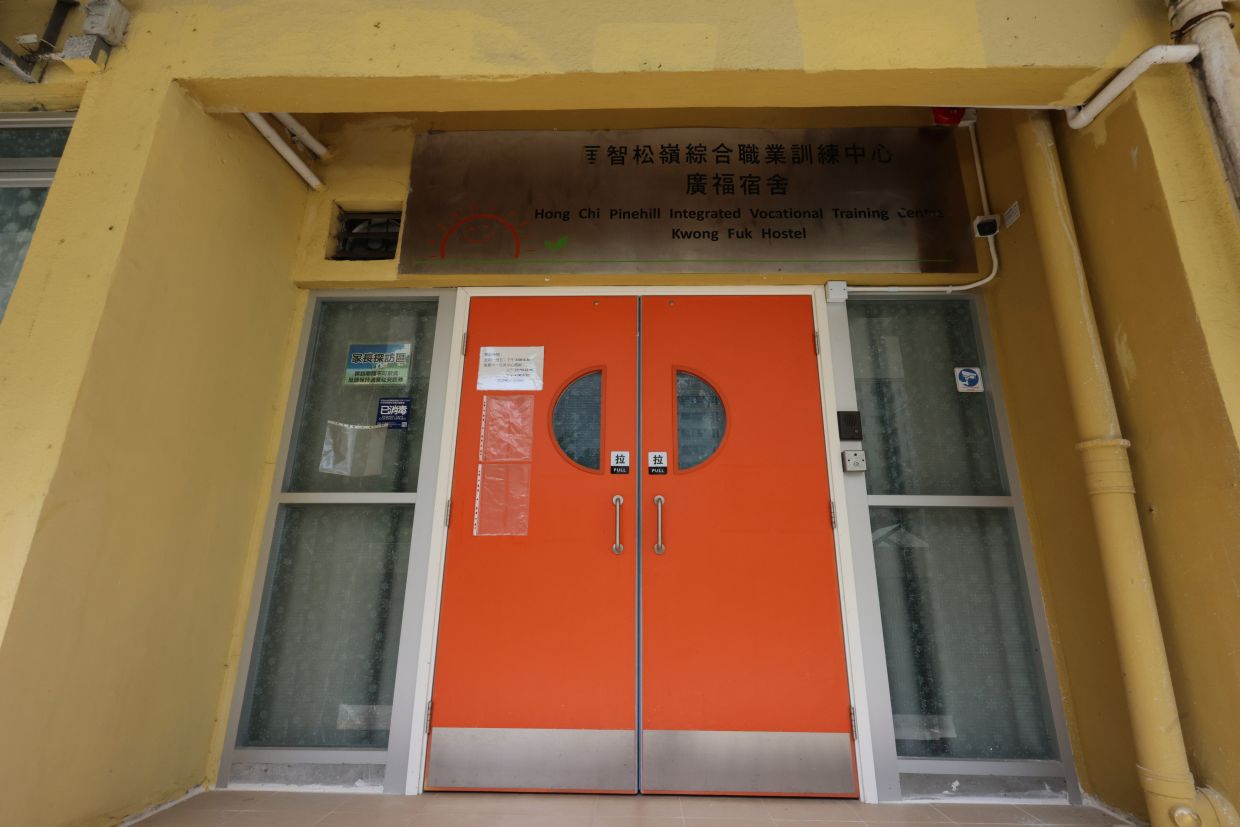
The High Court in Hong Kong has commenced a trial against Chung Pui-kei, a former assistant warden at a residential facility for intellectually disabled residents, who faces five counts of rape involving a vulnerable woman. The prosecution alleges that the assaults took place over two months in 2024 at a home in Tai Po operated by the Chi Hong Association, an established welfare organisation serving individuals with intellectual disabilities across the territory. The case underscores persistent safeguarding vulnerabilities within institutional settings across Asia, where persons with cognitive impairments remain statistically at heightened risk of sexual abuse from authority figures.
Prosecutor Human Lam Hiu-man presented the Crown's narrative before the empanelled jury of four men and two women, with Judge Douglas Yau Tak-hong overseeing proceedings. The prosecutor detailed how the victim, identified in court as X to protect her privacy, was subjected to repeated sexual violence by someone she trusted. At the time of the alleged incidents, X possessed cognitive functioning equivalent to that of a child aged nine years and ten months, despite being a young adult. This profound developmental gap between her chronological age and intellectual capacity rendered her substantially dependent on caregivers for protection and decision-making, fundamentally undermining her ability to consent to any sexual contact.
Lam constructed a narrative demonstrating how Chung deliberately exploited this vulnerability and his position of authority. According to the prosecutor's account, Chung cultivated a manipulative relationship with X by engaging in seemingly innocent activities—he would seek her out for conversation, participate in video games such as Mario Kart alongside her, and offer small treats like marshmallows. These seemingly benign interactions served to establish trust and familiarity, making X regard Chung as friendly and approachable. This grooming pattern effectively lowered her psychological defences and positioned Chung as a trusted figure whose intentions she would not question, a dynamic common in institutional abuse cases throughout the region.
The alleged assaults occurred in two distinct locations within the residential facility. Three of the five incidents took place in the male staff rest room, whilst two occurred in X's own bedroom. Lam recounted that X remembered Chung locking doors before undressing both himself and the victim, then proceeding to rape her. The victim's testimony revealed that she experienced physical pain during some of these assaults and did communicate discomfort or refusal in certain instances. However, fear of reprimand from Chung prevented her from vocalising resistance on other occasions—a silencing mechanism that abusers commonly exploit when their victims are institutionalised and dependent on the perpetrator for daily care and supervision.
Physical and forensic evidence forms a cornerstone of the prosecution's case. Police investigators discovered condoms and related items within a locker situated in the male staff resting area. More significantly, officers recovered a bedsheet from X's bedroom that tested positive for both the defendant's semen and X's DNA, corroborating the victim's account of bedroom assaults. Additionally, two video-recorded police interviews with X and surveillance footage obtained during the investigation provide contemporaneous documentation of her disclosure and the facility's physical layout. This multi-layered evidentiary approach reflects modern investigative practice in building cases involving vulnerable witnesses who may struggle with verbal articulation or consistency in testimony.
Medical experts testified regarding X's mental health history and cognitive status. Psychiatrist Lydia Lam Yi-ngar from Tai Po Hospital documented that X had been hospitalised for mental health reasons in 2018 and 2021 but had achieved stability following appropriate medication and regular monitoring since her discharge. The psychiatrist evaluated X on two occasions in August and October 2024, following the alleged incidents. Her clinical assessment concluded that X was not experiencing psychosis at either appointment and exhibited no indicators of post-traumatic stress disorder. Critically, she diagnosed X with bipolar affective disorder, a condition managed through pharmacological intervention including valproate sodium, a mood stabiliser.
The defence strategy emerged when Lawrence Hui Cheuk-lun, counsel for the accused, began cross-examination by exploring whether medication non-compliance could lead to hallucinations affecting perception of facial features. This line of questioning suggests the defence may argue that X's recollection of events or identification of her assailant became unreliable due to untreated psychiatric symptoms. However, Lydia Lam's testimony addressed this concern directly—she confirmed that hallucinations are not recognised side effects of valproate sodium. Furthermore, blood tests demonstrated that X's medication levels were consistent with regular, compliant dosing during the relevant period in July 2024, undermining any assertion that psychiatric instability compromised her ability to accurately perceive and recount the assaults.
Clinical psychologist Wong Yik-tung from the Social Welfare Department conducted formal assessment of X's intellectual capacity following the alleged rapes. Her expert evaluation will establish the precise nature and degree of X's cognitive limitations, thereby substantiating the legal foundation for charging multiple counts of rape of a mentally incapacitated person rather than alternative charges. In Hong Kong jurisdiction, sexual offences against persons lacking capacity to consent carry enhanced culpability recognitions. The psychologist's continuing testimony on Monday will likely address X's capacity to perceive consequences, understand social relationships, and recognise inappropriate conduct by authority figures.
This case reflects broader institutional vulnerabilities affecting disabled populations across East and Southeast Asia. Residential facilities housing intellectually disabled individuals remain under-regulated in many jurisdictions, with insufficient oversight mechanisms, inadequate background vetting, minimal CCTV monitoring, and staff training deficits regarding safeguarding protocols. The alleged conduct by Chung—a staff member entrusted with guardianship responsibilities—demonstrates how hierarchical institutional structures combined with power imbalances can enable prolonged abuse. The two-year delay between the alleged 2024 incidents and trial commencement raises questions about how the abuse remained undetected within a facility operated by an established NGO, suggesting that even established organisations may lack adequate systems to identify or report concerning staff behaviour.
The prosecution's evidence strategy—combining video interviews, surveillance footage, medical testimony, and forensic analysis—establishes a comprehensive evidentiary foundation. However, the trial's progression will test Hong Kong's legal framework for protecting intellectually disabled witnesses. The jury must reconcile X's credible recollection of traumatic events with her significant cognitive limitations, distinguishing between genuine vulnerability and credibility. Defence challenges regarding medication compliance and perceptual accuracy will likely persist throughout proceedings, requiring expert witnesses to articulate clearly how even unmedicated psychiatric conditions do not necessarily produce false memories of traumatic assault.
For Malaysian observers, this trial demonstrates the critical importance of strengthened institutional safeguarding frameworks. Malaysia's own network of residential facilities for disabled individuals must examine comparable oversight gaps, background vetting procedures, and staff accountability mechanisms. The case underscores why comprehensive disability protection legislation—addressing not only criminal prosecution but also institutional governance, victim support systems, and prevention education—remains essential across the region.

