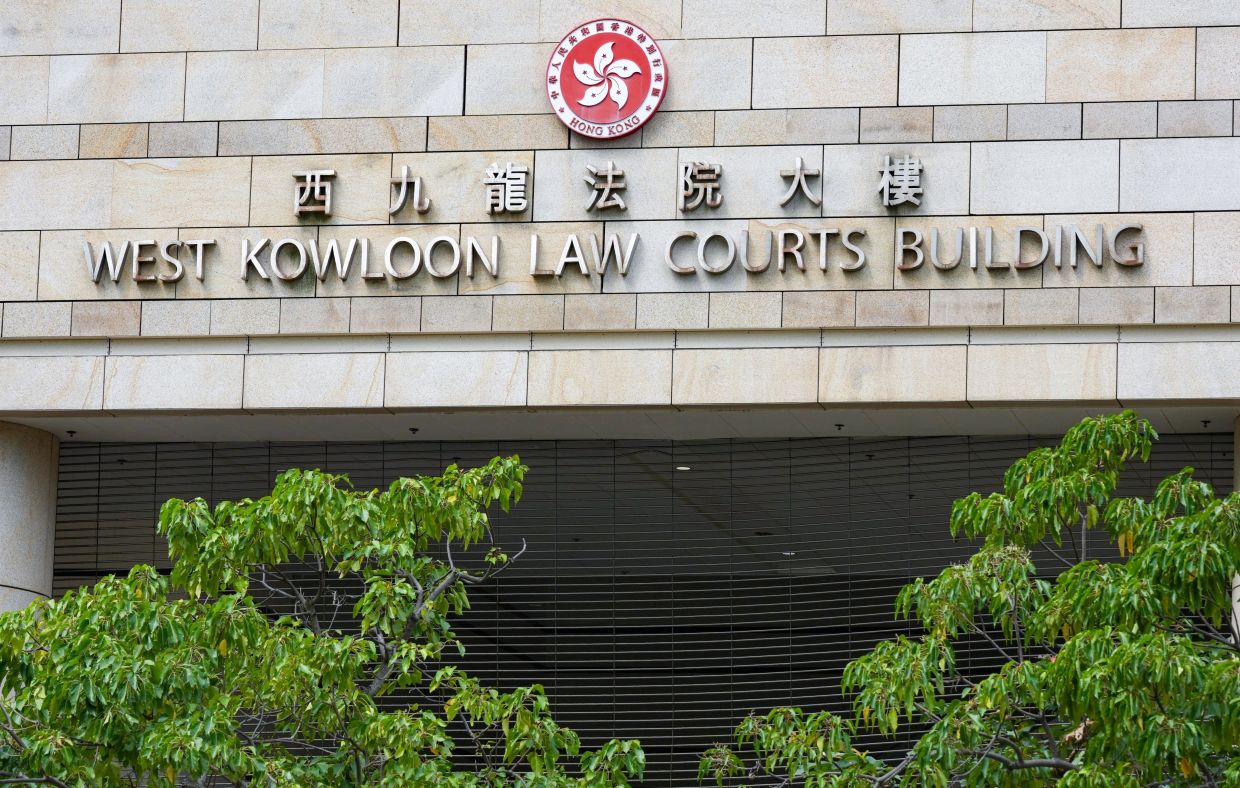
A Hong Kong court has convicted and imprisoned a 65-year-old repeat sex offender following an incident aboard a public bus that triggered widespread public outrage after being recorded and circulated on social media. William Wu Yiu-shing, a former household hardware salesman, was sentenced to four months' imprisonment by West Kowloon Court on Tuesday after pleading guilty to indecent assault against a Form Three student during a daytime bus journey in one of the city's busiest shopping districts.
The incident occurred on June 5 when Wu attacked the 17-year-old victim aboard a KMB double-decker bus at the intersection of Mong Kok Road and Sai Yeung Choi Street South at approximately 12.10pm. A pedestrian outside the vehicle captured the assault on video, recording approximately 37 seconds of footage that subsequently became widely distributed across online platforms, generating substantial public attention and discussion about harassment on public transport.
The recorded video presented clear visual evidence of Wu's actions. Dressed in a white tank top, the defendant extended his left arm across the space between seats to make contact with the teenager, who was seated directly in front of him on the bus's upper deck. Despite audible warnings from concerned onlookers who witnessed the incident from the street, Wu persisted with his actions as the bus continued moving away from the intersection.
The young victim provided police with an account of the frightening experience, describing how she felt her armpit being touched briefly before Wu attempted to grab her. Overwhelmed by fear during the assault, she did not physically respond or seek immediate help, instead returning home directly after the bus incident. This pattern of freezing during harassment is common among young victims of public sexual assault, creating vulnerabilities that perpetrators may exploit.
Wu's apprehension occurred later the same day when authorities intercepted him at the Hong Kong-Zhuhai-Macau Bridge border checkpoint as he was returning from Macau. During police questioning, he admitted to committing the offence and acknowledged that his actions were motivated by sexual gratification. This admission proved significant in what became a relatively straightforward legal proceeding.
Crucially, Wu's history as a repeat offender substantially influenced the severity of both his prosecution and sentencing. Court records revealed three prior convictions for indecent assault, indicating a persistent pattern of predatory behaviour rather than an isolated incident. This criminal history demonstrated that Wu represented an ongoing threat to public safety, particularly in confined spaces such as public transportation where victims may feel trapped or unable to escape.
The defence presented by Wu's legal representative acknowledged the gravity of his actions and the defendant's culpability. The lawyer indicated that Wu had provided candid admissions regarding both the current offence and his previous similar crimes. Significantly, the defence also outlined Wu's willingness to undergo psychological treatment and rehabilitation programmes, suggesting an acknowledgment of the need for behavioural intervention.
Under Hong Kong law, indecent assault carries a maximum penalty of ten years' imprisonment, though magistrate courts handling such cases typically impose sentences capped at two years. The four-month sentence imposed fell well within these parameters, reflecting both the guilty plea and the mitigating factor of Wu's expressed commitment to psychological rehabilitation. Wu has remained in custody since his prosecution commenced on June 8, and with time already served being credited toward his sentence, he is anticipated to become eligible for early release within approximately one month.
For Malaysian observers, this case highlights ongoing public safety concerns across East and Southeast Asian cities regarding sexual harassment on public transportation. Hong Kong's swift arrest and prosecution, aided by the video evidence, contrasts with varying responses in the region to similar offences. The case underscores the protective role that public documentation and social media can play in bringing offenders to account, though it also raises questions about victim privacy when such incidents are widely circulated online.
The conviction carries broader implications for transit safety throughout the region. Many cities, including those in Malaysia, have struggled with implementing effective deterrents and enforcement mechanisms against harassment on buses and trains. Wu's prior convictions without apparent escalation of sentencing raise questions about whether punitive measures adequately protect vulnerable public transport users or whether more integrated approaches combining prosecution, rehabilitation, monitoring, and prevention are necessary.
This incident also prompted reflection within Hong Kong's law enforcement and judicial communities about addressing repeat offenders more decisively. While Wu's expressed willingness to undergo psychological treatment represents a potentially constructive path, the persistence of his offending behaviour despite prior convictions raises legitimate concerns about the effectiveness of rehabilitation efforts and whether such assessments accurately predict behavioural change.

