Hong Kong's police force moved against two individuals on suspicion of distributing seditious materials and accepting funds from overseas political groups, acting under powers granted by the territory's recently enacted national security legislation. The arrests, announced on Thursday following detentions the previous day, have intensified scrutiny on how far authorities will go in enforcing Beijing-backed security measures that critics argue are dismantling Hong Kong's traditional freedoms.
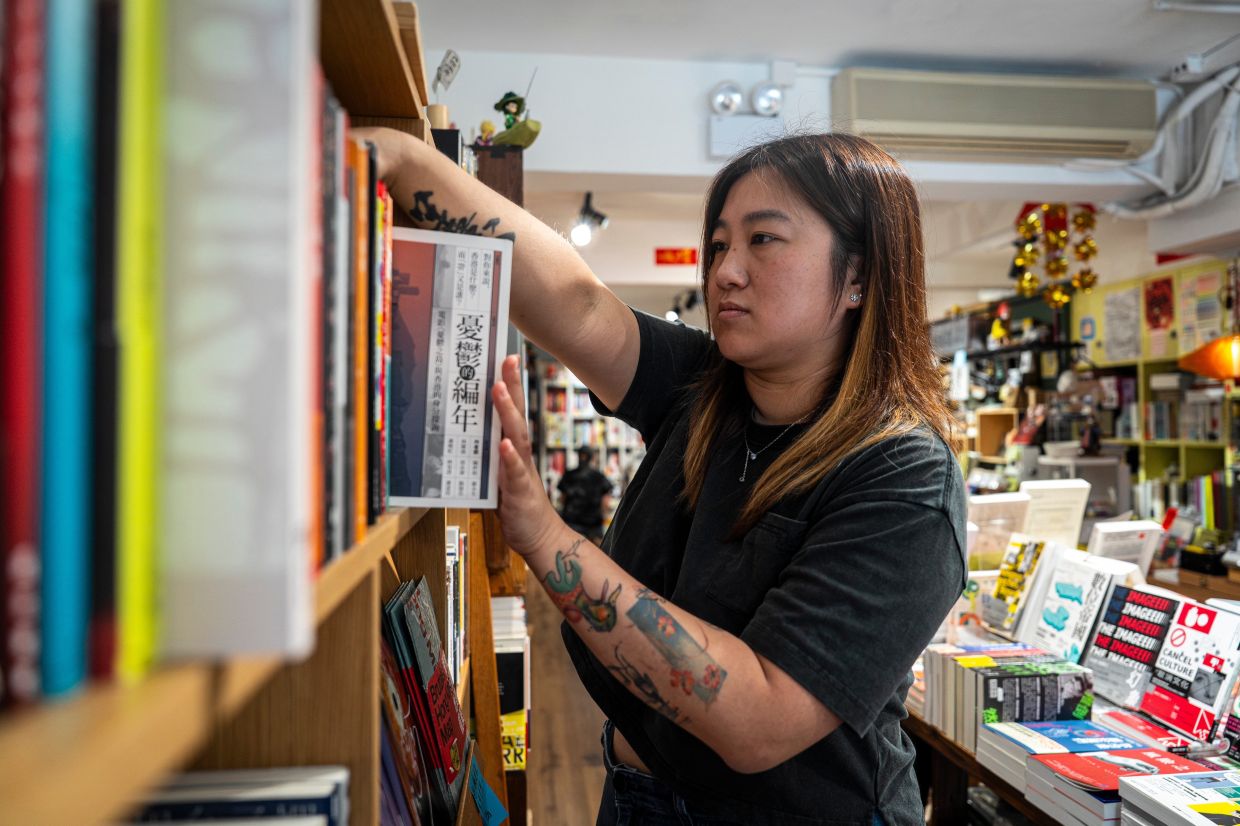
While the government did not release names, reporting from local news organisations including Ming Pao identified one suspect as Leticia Wong, the proprietor of Hunter Bookstore situated in Sham Shui Po. Wong, who previously served as a district councilor and has maintained a visible presence in pro-democracy circles despite a broader crackdown on activism, would represent another prominent voice facing legal jeopardy if reports are accurate. Officials declined immediate comment when contacted, and Wong herself remained unavailable for verification of the allegations.
The timing of these arrests carries considerable political weight, arriving just one week ahead of Hong Kong's commemoration of the 29th anniversary of its return to Chinese sovereignty. The decision to act now appears deliberately symbolic, reinforcing the government's willingness to enforce security measures ahead of a significant national occasion. For international observers and regional analysts, the action underscores deepening concerns about the trajectory of civil liberties in one of Asia's most economically significant cities.
According to the official government statement, police investigations uncovered evidence that the two individuals had displayed materials deemed seditious within their retail premises and sold publications containing content that incites antipathy toward Hong Kong's government structures, judicial system, and law enforcement agencies. The investigation also purportedly revealed financial transfers originating from foreign political organisations, though authorities provided no detail regarding which publications, which organisations, or the sums involved. This lack of specificity mirrors a broader pattern in how such cases proceed, leaving the public unable to assess whether characterisations of sedition align with the actual content in question.
The crackdown extends a pattern of pressure that has intensified markedly over recent years. Wong previously documented that between July 2022 and June 2025, her business experienced 92 separate interventions by government authorities, ranging from inspections and conspicuous police patrols to formal warning letters. In one instance, an unsigned letter distributed to an organisation planning to host an event at her establishment prompted them to withdraw entirely, illustrating how intimidation operates beyond formal enforcement. Such accumulated pressure creates a chilling effect across Hong Kong's cultural and intellectual sectors, where booksellers, publishers, and event organisers face perpetual uncertainty about regulatory compliance.
The focus on bookselling as a target for national security enforcement reflects the symbolic importance of intellectual expression in Hong Kong's recent political history. Last year, a pro-Beijing publication had criticised an independent book fair held at Wong's store, specifically objecting to plans to stock a biography of imprisoned pro-democracy figure Jimmy Lai. That same title has become a focal point for multiple enforcement actions—in March, police arrested the owner and staff of a competing bookstore in similar circumstances, later releasing them on bail. The repeated targeting of literature about Lai suggests authorities view certain historical and biographical narratives as inherently threatening to state security.
For Malaysia and other Southeast Asian nations, Hong Kong's security regime offers a cautionary case study in how rapidly civil liberties can erode when national security frameworks lack judicial oversight and transparency. The legislation under which these arrests proceeded grants considerable discretionary power to law enforcement, with sedition defined broadly enough to encompass political criticism. Malaysia's own experience with sedition statutes and constitutional provisions targeting national security provides uncomfortable parallels, raising questions about how such tools can expand beyond their stated purposes.
The Hong Kong government has consistently maintained that both its 2020 National Security Law and the 2024 successor legislation are essential safeguards for stability, claiming that freedom of expression remains robustly protected. This assertion grows increasingly difficult to sustain given documented patterns of enforcement targeting political speech, independent media, and civil society actors. The apparent contradiction between official assurances and observable restrictions reflects a fundamental tension: security frameworks designed to prevent threats to state authority inevitably restrict the very dissent that characterises free societies.
These enforcement actions also illuminate broader regional dynamics. Hong Kong's security regime exists within a larger architecture of Chinese state oversight, and local police actions signal commitment to central authorities in Beijing. For other Asian democracies, the example demonstrates how international pressure and diplomatic isolation have limited effect on government conduct when security concerns take precedence over civil liberties. The question for other regional governments becomes whether similar dynamics might eventually justify comparable restrictions in their own jurisdictions.
The international community remains divided on whether to challenge such enforcement or accept it as internal governance. Some diplomatic missions issue statements, but meaningful consequences remain elusive. For bookstore owners, activists, and ordinary citizens in Hong Kong, the practical reality is one of diminishing space for political expression and increasing personal risk attached to intellectual work. The arrest of Wong, if confirmed, crystallises this transformation—from a territory known for robust debate and cultural pluralism to one where selling certain publications carries serious legal consequences.

