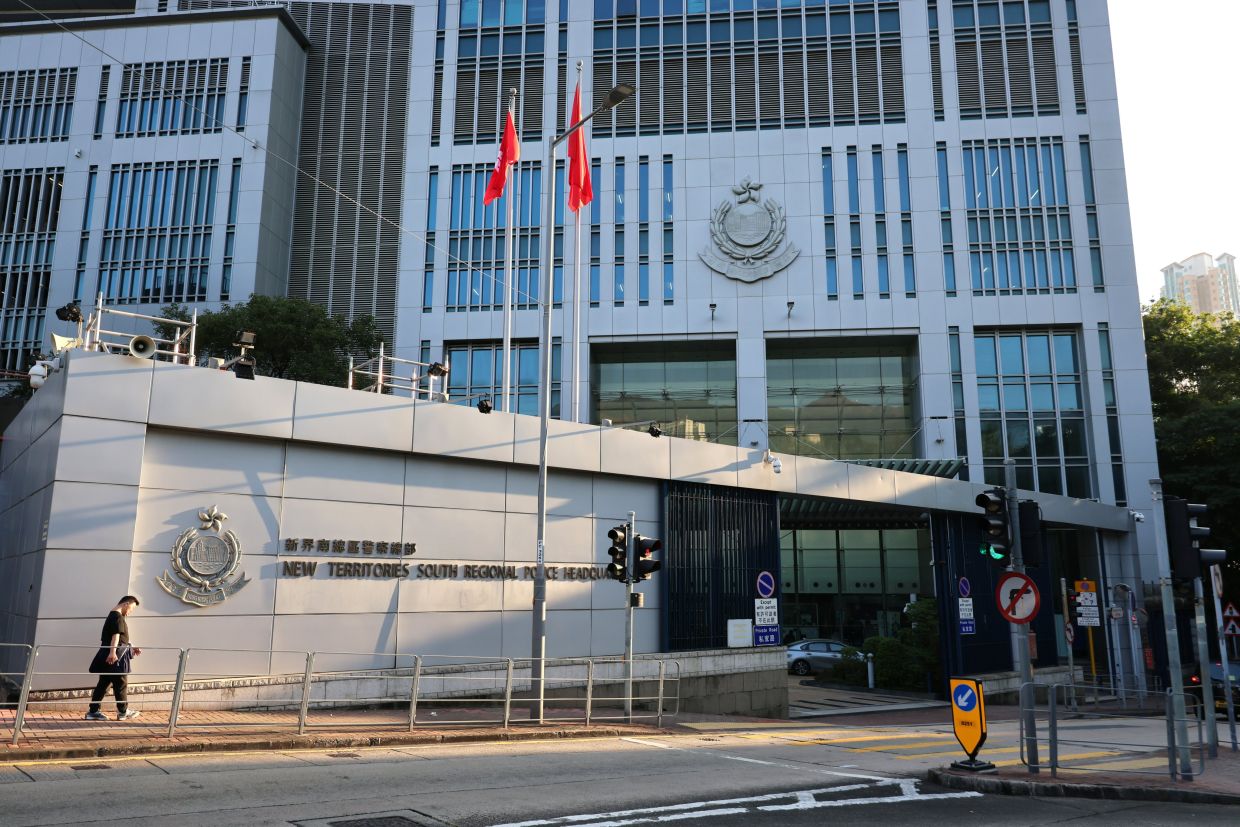
A 32-year-old Hong Kong police officer faces a misconduct charge after being accused of sending sexually inappropriate communications to a woman connected with a criminal investigation, authorities announced this week. Arrested in Tuen Mun on August 20 by officers from the New Territories South regional crime unit, the Kwai Tsing police district officer is scheduled to appear before Sha Tin Court on Friday, according to a police statement released Thursday.
The allegations stem from investigative work undertaken in May of the previous year, when the officer came into contact with individuals connected to a criminal case. During this investigation, the officer allegedly initiated direct contact with the friend of one of the suspects in the matter, proceeding to transmit sexually explicit text messages and photographic material to her. The communications, described as indecent in nature, represent a serious departure from professional standards expected of law enforcement personnel.
The complainant reported the incident to police later that same month, triggering an internal investigation into the officer's conduct. Following extensive inquiries, authorities determined sufficient grounds existed to pursue charges against him. He has been formally charged with one count of misconduct in public office, a criminal offense that carries implications for both his career and personal legal standing.
In response to the case, police leadership has sought to reaffirm institutional commitment to maintaining ethical standards. A force spokesman stated that the police service places considerable importance on the professional deportment of all officers and will not countenance any unlawful or inappropriate actions by personnel. The statement emphasised that any substantiated misconduct allegations would be addressed through formal legal and disciplinary proceedings.
The officer remains suspended from active duty pending the resolution of court proceedings. This suspension, a standard measure in such circumstances, ensures that officers facing serious allegations do not continue to exercise police powers while matters are being adjudicated. The suspension reflects both the seriousness of the accusations and procedural fairness considerations.
This incident occurs within a broader context of scrutiny surrounding police conduct in Hong Kong. Public confidence in law enforcement remains sensitive to allegations of abuse of authority, particularly when officers leverage their official positions to gain improper access to individuals or sensitive information. Cases involving abuse of position to conduct unwanted contact represent a category of misconduct that authorities treat with particular gravity, as they undermine public trust in institutional integrity.
The allegations also touch on wider concerns about investigative procedures and safeguarding vulnerable persons encountered during police work. When officers contact individuals peripherally connected to investigations, questions arise about the appropriateness of the nature and scope of such contact. The distinction between legitimate investigative communication and personal harassment becomes legally and ethically critical, especially when power imbalances exist between law enforcement personnel and civilians.
For Malaysian observers, the case provides instructive parallels regarding police accountability mechanisms. Both Hong Kong and Malaysia operate within common law traditions that recognise misconduct in public office as a serious criminal category. The prompt investigation and prosecution of the officer suggests that internal complaints mechanisms and prosecutorial oversight can function to hold even uniformed personnel accountable for violations of public trust, a principle central to rule of law frameworks.
The incident also underscores challenges that law enforcement agencies across the region face in maintaining professional standards among large personnel complements. Training programmes, oversight structures, and disciplinary procedures form essential components of institutional integrity. The Hong Kong Police Force's public statement indicating that misconduct will not be tolerated suggests organisational commitment to addressing failures promptly and transparently.
As the case proceeds through Sha Tin Court, the outcome may have implications for how Hong Kong law interprets the scope of misconduct in public office charges, particularly in contexts involving alleged abuse of investigative access and authority. The judicial determination will contribute to evolving case law on appropriate boundaries for officer conduct during investigations and the criminal liability attaching to violations of those boundaries.
The suspension and prosecution also reflect procedural protections embedded in Hong Kong's criminal justice system, whereby accused officers maintain presumption of innocence pending conviction. The court process will determine the factual accuracy of allegations and the legal conclusions warranted by proven facts. For the complainant and broader public discourse on police accountability, the progression of this matter through judicial channels represents a mechanism through which concerns about officer misconduct can be formally examined and resolved according to legal standards.

