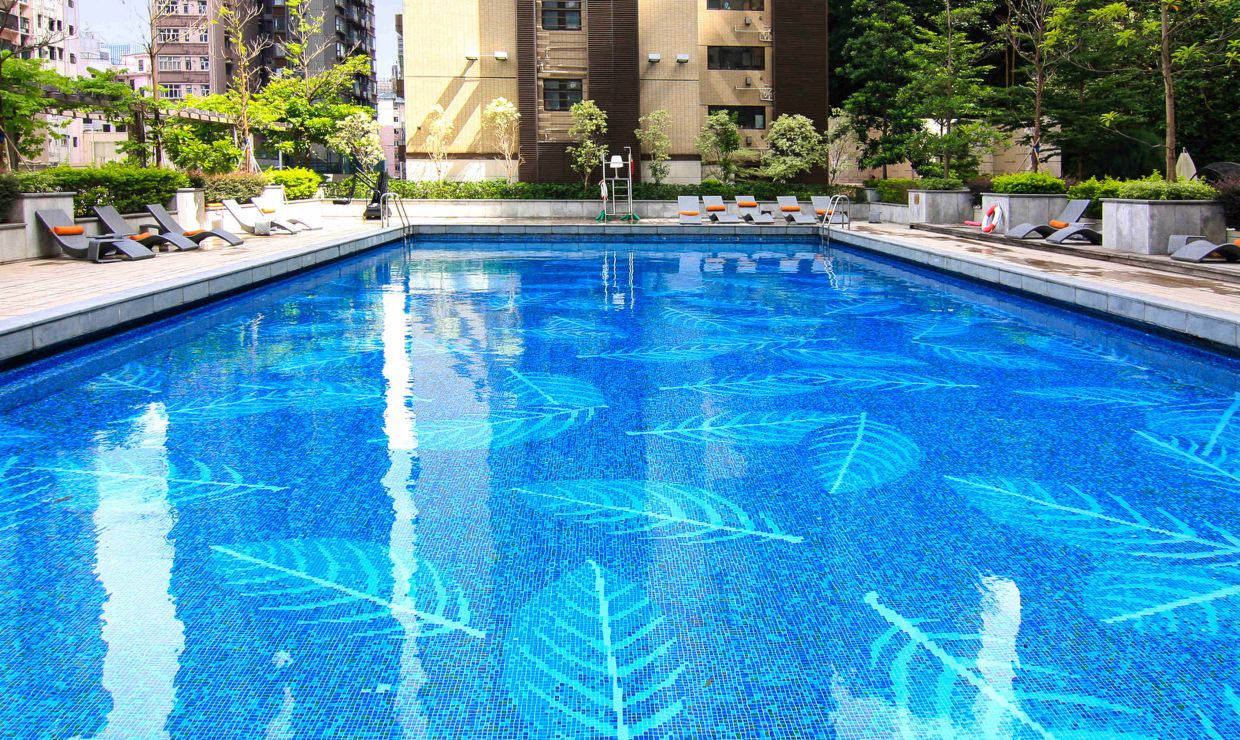
A private swimming facility at a residential estate in Hong Kong's affluent Happy Valley neighbourhood has been forced to shut its doors following the discovery that one of its lifeguards was operating under fraudulent qualifications. The closure, ordered by the Food and Environmental Hygiene Department (FEHD), underscores growing concerns about the adequacy of safety protocols at private pools across the territory and raises questions about credential verification practices in similar facilities. The incident at 1-5 Ventris Road, where Winfield Building is located, represents a significant breach of public safety standards in a city where recreational swimming is a popular pastime.
During routine auditing procedures, FEHD officers submitted a batch of lifeguard credentials to the Hong Kong China Life Saving Society for verification on Wednesday. The cross-check revealed discrepancies between the documentation held by the facility and the records maintained by the society, indicating potential fraudulent documentation. When the verification results came back the following day, authorities acted swiftly, ordering immediate closure of the pool because the facility could no longer maintain the minimum number of legally qualified lifeguards required to operate.
The implications of this discovery extend beyond a single facility. Since private pool operators are bound by the Swimming Pools Regulation and their licensing conditions to maintain adequate numbers of certified life-saving personnel on duty during operating hours, the presence of a fraudulent lifeguard represents not merely an administrative violation but a genuine public safety hazard. A single lifeguard performing duties without proper training or qualifications could prove catastrophic in an emergency situation where swift, competent intervention is essential.
Authorities are pursuing multiple enforcement avenues in response to the breach. The FEHD indicated that prosecution of the pool's licensee is being contemplated, suggesting that management may have failed in their duty of care. Additionally, the suspected use of fraudulent documents has been referred to police for criminal investigation. The Property Management Services Authority has also been notified to ensure follow-up action at the residential estate level, recognizing that the responsibility for safety extends across multiple layers of management and oversight.
The episode highlights the practical challenges regulators face in maintaining safety standards across Hong Kong's private pool sector. Beginning in May of last year, the FEHD implemented enhanced requirements mandating that private pool licensees verify and retain copies of lifeguards' identity documents, Pool Lifeguard Awards, and personal logbooks before employment. Duty records must now be verified and signed by both the lifeguards and inspecting staff appointed by the licensee. These measures were introduced specifically to prevent situations such as the one discovered at Ventris Road.
Data released by the FEHD demonstrates the scale of the regulatory effort required to maintain oversight. Between January and July of this year alone, department officers conducted approximately 7,000 inspections at more than 1,400 licensed private pools, during which they verified the qualifications of around 2,100 lifeguards. This intensive inspection regime reflects the recognition that credential fraud, while perhaps not widespread, poses sufficient risk to warrant substantial regulatory resources.
The Happy Valley incident is not the first time such violations have been uncovered. Last year, another case involving the suspected deployment of unqualified lifeguards came to light following the introduction of enhanced regulatory measures. This pattern suggests that credential fraud may have been a systemic issue, with some operators either negligent in their verification procedures or deliberately turning a blind eye to questionable documentation in order to fill vacancies or reduce hiring costs.
For Malaysian readers, the Hong Kong experience offers instructive lessons about the vulnerability of recreational safety standards to administrative failures. Private facilities in urban centres across Southeast Asia often operate under varying degrees of regulatory scrutiny, and credential fraud among safety personnel—whether lifeguards, security staff, or others—remains a persistent concern. The mechanisms Hong Kong is implementing, including documentary verification, record retention, and surprise inspections, represent best practices that could be adopted or strengthened elsewhere in the region.
The FEHD's commitment to increase surprise inspections and spot checks during the peak swimming season signals a shift toward more aggressive enforcement. By conducting unannounced visits, authorities aim to prevent operators from maintaining fraudulent documentation only for scheduled inspections while operating differently on routine days. This approach recognizes that regular announced inspections, while important, can be circumvented by determined bad actors.
The closure of the Ventris Road pool and the regulatory response it has triggered reflect a broader understanding that public safety cannot be compromised for operational convenience or cost savings. The incident serves as a reminder that credential verification systems are only as effective as their implementation, and that licensees bear ultimate responsibility for ensuring that the personnel under their supervision are genuinely qualified to perform safety-critical roles. As private recreational facilities proliferate across the region, maintaining rigorous standards in this area remains essential to protecting swimmers and maintaining public confidence in facility safety.

