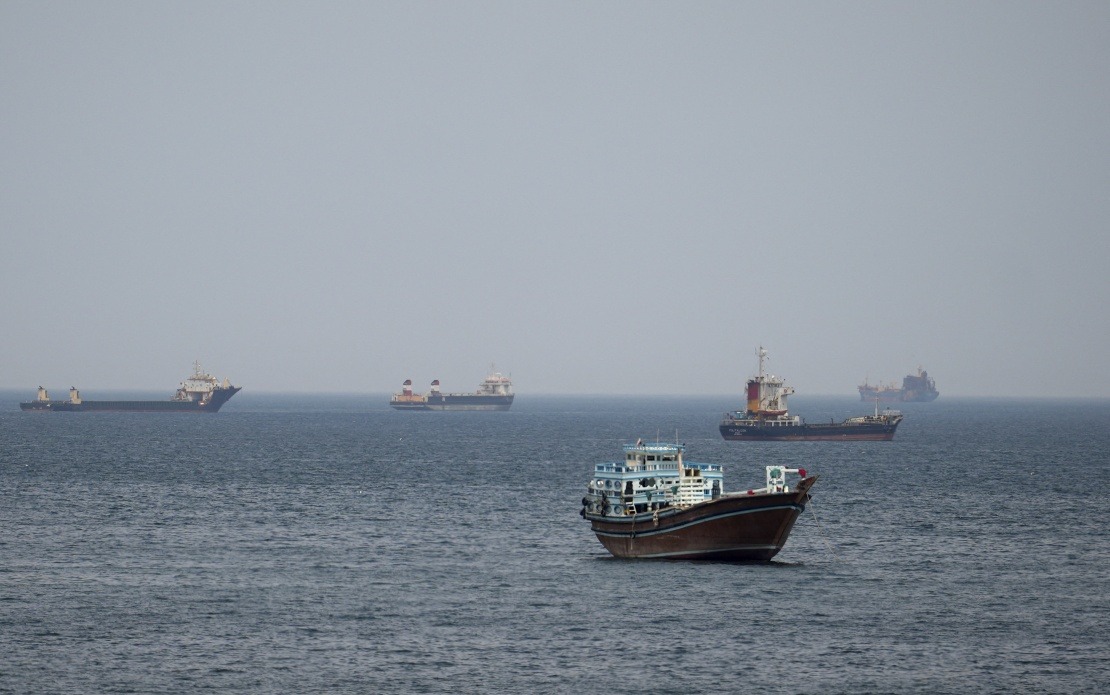
The Strait of Hormuz has reopened to normal shipping traffic following the implementation of a temporary ceasefire agreement between the United States and Iran, marking a significant shift in regional tensions that have gripped the Middle East since February. The accord, which came into force on Thursday, has already prompted steep declines in global oil prices as markets anticipate the resumption of Iranian exports through one of the world's most critical petroleum chokepoints, which typically facilitates roughly one-fifth of all internationally traded crude.
The financial implications of this development extend well beyond energy markets. For Malaysia and other Southeast Asian economies dependent on stable oil supplies and predictable energy costs, the restoration of normal traffic through the strait represents a critical stabilisation factor. Since the conflict began four months ago, elevated geopolitical risk premiums have inflated crude prices, a burden that manufacturing-dependent nations across the region have borne through higher production costs and inflation pressures. Analysts suggest that in the coming months, as Iranian exports flow freely through the waterway and global supply chains normalise, downstream benefits should materialise throughout the region's industrial sectors.
The 60-day negotiation window established by the agreement centers on Iran's nuclear programme, the ostensible trigger for the military campaign that President Donald Trump initiated nearly four months prior. Under the interim arrangement, Washington has committed US$300 billion in reconstruction financing for Iran alongside additional financial incentives designed to facilitate the talks. Vice President JD Vance, who will head the American negotiating team, has signalled that curbing Iran's long-range missile capabilities will constitute a core American objective in the forthcoming discussions. Yet the gap between Washington's initial war aims and the current diplomatic framework appears substantial—Trump launched military operations demanding Iran's unconditional surrender and the elimination of its nuclear weapons programme, objectives that remain conspicuously unmet as negotiations commence.
Iran's Supreme Leader Ayatollah Moitaba Khamenei has struck a notably defiant posture regarding the upcoming nuclear talks, suggesting through written statements that Tehran will resist what he characterises as excessive American demands. His assertion that Trump signed the deal "out of desperation" reflects Tehran's assessment that it has emerged from the conflict in a strengthened position, having demonstrated its capacity to withstand sustained American military pressure while maintaining strategic control over the Hormuz Strait. During the 60-day interim period, Iran will retain authority over maritime traffic flow through the waterway, including the issuance of permits and directional guidance, though it has committed not to impose transit fees during this transitional phase.
However, the fragility of the ceasefire has become immediately apparent through developments in Lebanon, where Israeli military operations have continued despite Trump's explicit commitment to achieving a comprehensive halt on all fronts. The Israeli military launched fresh airstrikes on Thursday morning even as the broader agreement took effect, signalling that Tel Aviv maintains independence from Trump's diplomatic initiatives. Israeli officials have publicly rejected any withdrawal from Lebanese territory and have released maps depicting an expanded occupation zone, a position that directly contradicts the ceasefire agreement's stipulations regarding Lebanon's territorial integrity and sovereignty.
This emerging rift between Washington and Israel represents one of the most serious diplomatic fractures between the two allies in recent decades. Trump has adopted unprecedentedly critical rhetoric toward Israel's Lebanese operations, at one point remarking that he would counsel against attacking "the only powerful ally that I have anywhere left in the entire world" were he serving in the Israeli cabinet. Such candid criticism, delivered from the White House itself, underscores the genuine tension between Trump's desire to conclude the broader regional conflict and his significant leverage limitations over an ally with its own strategic calculations and domestic political imperatives.
The humanitarian toll of the Lebanon campaign adds another layer of complexity to these diplomatic dynamics. More than one million civilians have been displaced by the ongoing fighting, creating a massive refugee crisis that already strains neighbouring countries and threatens broader regional destabilisation. The ceasefire agreement explicitly calls for the "permanent termination" of hostilities in Lebanon and guarantees that country's territorial restoration, yet Israel's continued military operations and expanded occupation demonstrate that these contractual commitments lack enforcement mechanisms.
Within American domestic politics, Trump's agreement has encountered criticism from Republican allies in Congress who question whether he has surrendered excessive concessions to achieve what they view as an inadequate resolution. These critics argue that the initial war objectives—constraining Iran's nuclear ambitions, limiting its missile capabilities, reducing its support for militant proxies, and potentially catalysing internal political change—remain substantially unaddressed. The agreement's structure, which grants Iran valuable sanctions relief in exchange for commitments that some analysts view as reversible, has provoked scepticism among hawkish observers who doubt Tehran's willingness to fundamentally alter its strategic behaviour.
Yet proponents of the agreement counter that Iran now negotiates from a stronger position than it occupied prior to the conflict, having demonstrated its capacity to absorb military strikes, maintain regional influence, and secure economic concessions through steadfastness rather than capitulation. This inversion of expected wartime dynamics—where the militarily superior power fails to achieve stated objectives—carries implications for future regional conflicts and the credibility of American security commitments throughout the Indo-Pacific and beyond.
For Southeast Asian policymakers and business leaders, the immediate beneficiary effect appears concentrated in energy markets and shipping lanes, where stability represents a tangible economic good. However, the agreement's fragility, evident in Israel's continued operations and the yawning gap between Trump's initial war aims and current arrangements, suggests that any positive dividend may prove temporary. A resumption of full-scale conflict between American and Iranian forces, or an escalation of Israeli operations in Lebanon that pulls in American military resources, could rapidly reverse the gains evident in recent crude price declines and restore the uncertainty premium that has burdened regional economies throughout this crisis.

