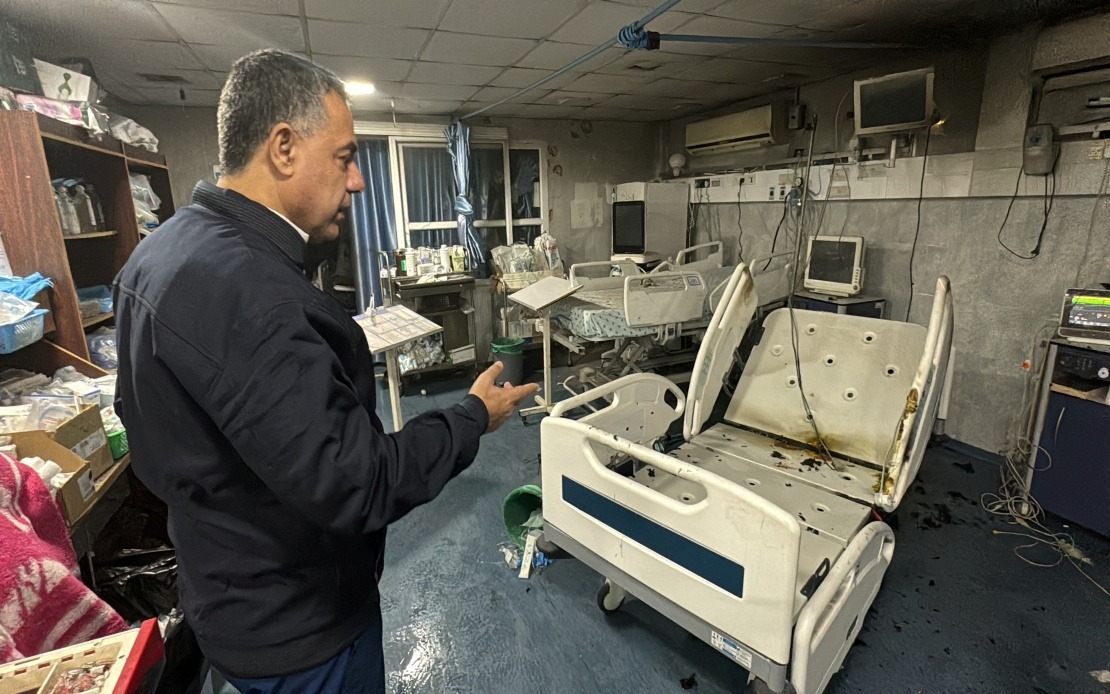
Dr Hussam Abu Safiya, director of Kamal Adwan Hospital in northern Gaza, faces a life-threatening situation following his imprisonment at Israel's Nitzan Prison, according to documentation by Physicians for Human Rights. The international medical advocacy organisation has compiled evidence of significant health deterioration and alleged physical abuse sustained by the detained hospital administrator, prompting urgent calls for intervention from the international community and human rights bodies.
During a prison visit on July 2, Physicians for Human Rights' lawyer Nasser Odeh conducted a detailed examination of Dr Abu Safiya's physical and mental condition. The documented findings paint a troubling picture of the detainee's treatment in custody. Odeh observed multiple severe injuries covering his head, face, and neck regions, with visible bruising and swelling that reportedly made him difficult to recognise. Beyond the visible trauma, the hospital director exhibited breathing difficulties and experienced repeated episodes of unconsciousness during the legal consultation, suggesting potential internal injuries or serious health complications.
The circumstances surrounding the meeting itself underscore the gravity of the situation. Dr Abu Safiya was brought to the consultation area with both hands and feet shackled, accompanied by masked prison guards positioned throughout the interaction. This security arrangement, combined with the documented physical trauma, raises questions about his treatment and the conditions under which he is being held. The presence of visible restraints and heavy guard presence during a legal visit raises concerns about whether detainees are afforded basic dignity and safety protocols expected under international detention standards.
Naji Abbas, who directs the Prisoners and Detainees Department at Physicians for Human Rights Israel, characterised the lawyer's testimony as extraordinarily disturbing given the organisation's extensive documentation of conditions since the escalation of conflict began. Abbas emphasised that Dr Abu Safiya himself expressed grave fears about his survival while in custody, stating he believed his life was in immediate danger. Such statements from a detainee, particularly one educated and capable of articulating concerns clearly, carry significant weight in assessing the severity of the situation.
The timing of Dr Abu Safiya's deterioration presents an additional concern. According to the human rights organisation, his physical and health condition worsened markedly following a court appearance in which he challenged the legal grounds for continuing his detention. This sequence of events—where challenging detention leads to apparent retaliation in the form of physical harm—suggests a pattern that warrants independent investigation. Abbas stressed that such developments demand immediate scrutiny to determine whether there has been deliberate mistreatment or negligence in duty of care.
Physicians for Human Rights has specifically called attention to the fact that Dr Abu Safiya, along with numerous other medical professionals currently detained, has been held without formal charges or trial. This indefinite detention without due process violates fundamental legal protections recognised across most democratic and international legal frameworks. The absence of clearly articulated charges makes it impossible for detainees to mount adequate legal defences or for families to understand the basis for continued imprisonment.
The situation of detained medical personnel carries particular significance within the broader humanitarian context of the Gaza conflict. Healthcare workers occupy a protected status under international humanitarian law, and their detention—especially without charges—raises questions about adherence to established legal norms. The targeting or mistreatment of medical staff can have cascading effects on healthcare delivery, as other doctors may fear arrest, and institutional knowledge and continuity of care become disrupted.
International standards regarding the treatment of detainees establish clear obligations for custodial authorities. Israel, as the detaining power, bears full legal and moral responsibility for the health, safety, and welfare of anyone held within its facilities. Failure to provide adequate medical care, protection from abuse, or humane treatment constitutes serious breaches of these responsibilities. The alleged pattern of mistreatment demands that responsible authorities—whether Israeli oversight bodies, international monitoring organisations, or diplomatic partners—initiate comprehensive and independent investigations.
The allegations carry profound implications for accountability and rule of law. If substantiated through rigorous investigation, documented evidence of physical assault, inadequate medical care, or deliberate harm would constitute serious violations requiring consequences. The role of Physicians for Human Rights in meticulously documenting these allegations provides a foundation for potential accountability mechanisms, whether through civil litigation, international criminal investigations, or domestic legal processes.
For regional observers, particularly in Southeast Asia where human rights standards remain contested terrain, the case of Dr Abu Safiya exemplifies the gap between stated protections for detainees and actual implementation. The situation underscores how easily emergency circumstances and security rationales can erode fundamental protections, and why robust, independent oversight of detention facilities remains essential regardless of geopolitical context.

