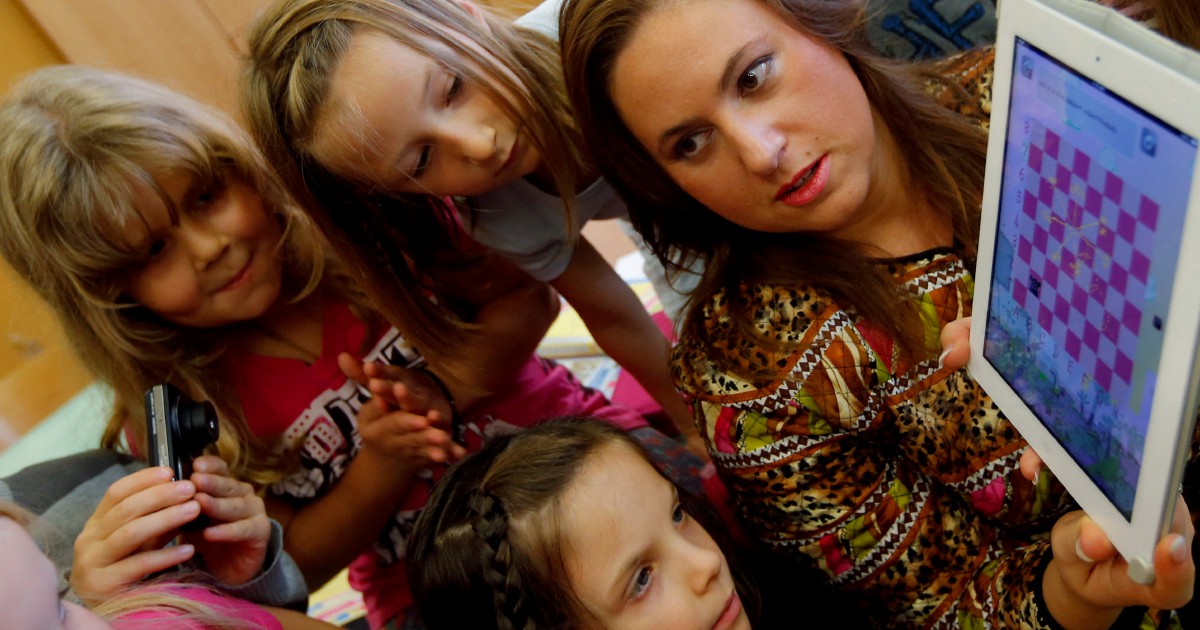
Hungary's Prime Minister Peter Magyar announced on Sunday that he intends to invite Judit Polgar, universally recognised as one of the greatest chess players ever to have graced the game, to assume the position of Hungary's next President. The appointment, if accepted, would place Polgar in a predominantly symbolic role within the Central European nation's governmental structure. This unusual selection bridges the worlds of international sport and high-level politics, reflecting an unconventional approach to filling one of the country's highest offices.
Judit Polgar stands as a towering figure in competitive chess, having transcended gender barriers to establish herself among the elite players regardless of classification. Her career achievements have long inspired discussions about talent, determination, and the breaking of conventional boundaries in intellectual pursuits. By proposing Polgar for the presidency, Magyar signals an intention to elevate a figure whose accomplishments extend far beyond the chessboard into the realm of symbolic representation and national identity.
The proposed move comes at a time when Hungary has faced considerable scrutiny regarding democratic institutions and the conduct of public affairs. The selection of a globally respected figure known for intellectual rigour and competitive excellence could be viewed as an attempt to enhance the prestige and perceived legitimacy of the presidential office. Polgar's international standing and unblemished reputation in the chess world present a contrasting image to ongoing political controversies that have marked Hungary's recent governance.
Polgar's potential elevation to the presidency carries significance for East-Central Europe more broadly. Her acceptance would position Hungary as a nation willing to recognise and honour achievement in domains beyond traditional politics or business. The move reflects broader European trends toward selecting ceremonial heads of state based on cultural accomplishment and moral standing rather than exclusively on political credentials or party affiliation.
From a Malaysian and Southeast Asian perspective, this development offers insights into how different democracies approach the ceremonial aspects of leadership. While Malaysia and several neighbouring nations maintain parliamentary systems with substantial presidential or monarchical components, the delegation of head-of-state roles to figures from non-political backgrounds remains relatively uncommon. The Hungarian precedent, should Polgar accept, demonstrates one approach to reconceptualising what qualifications constitute appropriate preparation for ceremonial leadership.
The timing of Magyar's announcement also warrants consideration within Hungary's domestic political context. Presidential elections typically follow constitutional protocols regarding timing and process, yet the public announcement of a specific candidate through the Prime Minister represents a departure from conventional procedure in several European systems. This approach grants Magyar significant influence in shaping public discourse around the presidency before formal candidacy processes commence.
Polgar's career achievements encompass numerous records and distinctions that underpin her historical significance in chess. She became the world's highest-ranked female player while competing among the global elite, a distinction she maintained for an extended period. Her playing career, marked by victories against world champions and sustained excellence across decades, established credentials that few athletes in any discipline can match. Beyond tournament results, Polgar has remained active in chess education and governance, serving in administrative capacities within the International Chess Federation and promoting the sport globally.
The largely ceremonial nature of Hungary's presidency means that Polgar would not assume executive governmental authority. Instead, the role emphasises representation, symbolic leadership, and serving as a national figurehead. This distinction proves crucial to understanding why Magyar's proposal, despite its unconventional nature, poses no direct challenge to his Prime Ministerial executive authority. The president functions within a parliamentary system where primary governmental power resides with the legislative body and Prime Minister.
If Polgar accepts this invitation, her transition from the chess world to formal statecraft would represent a remarkable personal evolution. Her willingness to engage with political institutions and take on public responsibilities in this capacity would signal confidence in Hungary's democratic processes and governmental structures. Conversely, any hesitation or refusal might reflect concerns about the political environment or preferences for maintaining independence from formal governance structures.
The international chess community has long positioned Polgar as an ambassador for the sport and a symbol of human excellence. Elevating her to a presidential position would potentially amplify her platform for promoting chess globally whilst associating the game with Hungary's national identity. This symbiotic relationship could enhance Hungary's cultural soft power whilst providing Polgar with institutional resources to advance chess-related initiatives she champions.
For regional observers in Southeast Asia, the Polgar proposal illustrates how European nations continue experimenting with democratic structures and the distribution of ceremonial versus executive authority. Whether such models might prove adaptable to Asian contexts remains unclear, given differing constitutional traditions and historical precedents regarding presidential roles. Nevertheless, the elevation of accomplished individuals from non-political backgrounds to high ceremonial office offers a thought-provoking alternative to conventional pathways for reaching national leadership positions.

