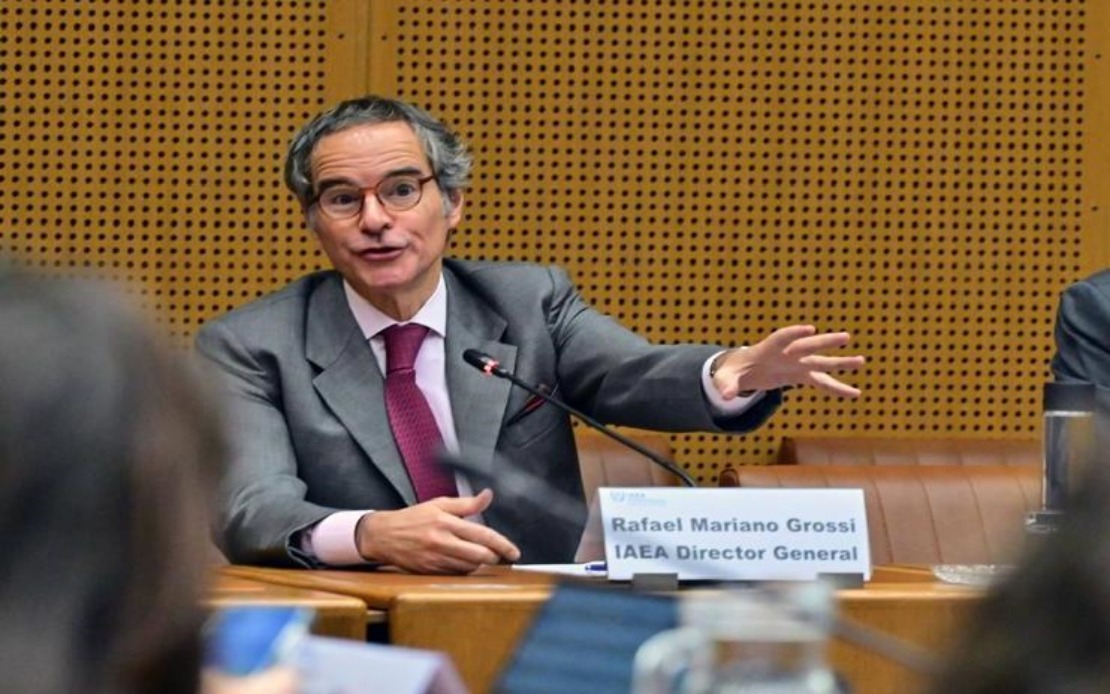
The International Atomic Energy Agency has thrown its weight behind diplomatic efforts as the United States and Iran prepare for direct negotiations in Switzerland, signalling the global nuclear community's investment in resolving longstanding tensions between the two countries. Rafael Mariano Grossi, the IAEA's Director General, issued a public statement emphasising that this moment demands sustained commitment to dialogue, reflecting the watchdog's conviction that multilateral engagement offers the most viable pathway to addressing regional nuclear concerns.
Grossi's intervention arrives at a strategically important juncture in Middle Eastern diplomacy. The IAEA, which monitors Iran's nuclear programme and maintains verification responsibilities under international agreements, occupies a unique position as both a technical authority and a neutral observer in negotiations. By advocating for diplomatic momentum, Grossi is leveraging the agency's credibility to reinforce confidence among negotiating parties that structured dialogue remains the most constructive approach to resolving disagreements.
Swiss intermediation has emerged as crucial to enabling these talks. Switzerland's long-standing reputation for neutrality and its infrastructure for hosting sensitive international negotiations made it the logical venue for these discussions. Ignazio Cassis, Switzerland's Foreign Minister, held separate consultations with both Iranian Foreign Minister Abbas Araghchi and the IAEA leadership at Burgenstock, a mountain resort that has historically hosted significant diplomatic events. These preparatory meetings underscore the meticulous groundwork required before substantive bilateral negotiations commence.
The Iranian delegation's presence at these preliminary discussions, represented by Foreign Minister Araghchi, signals Tehran's willingness to engage with both American representatives and international intermediaries. The scheduling of direct US-Iran talks for the following day indicated that preliminary consultations had successfully established sufficient common ground to justify bilateral engagement. For Southeast Asian observers, this sequence demonstrates how skilled mediation by respected neutral parties can create conditions for direct dialogue between hostile actors.
Context regarding the Islamabad Memorandum of Understanding deserves attention for regional readers. The agreement signed by US President Donald Trump and Iranian President Masoud Pezeshkian represented a significant diplomatic development that catalysed these Switzerland negotiations. This earlier accord had functioned as a confidence-building measure, establishing mutual commitment to further discussions and demonstrating that both principals viewed diplomatic engagement as preferable to continued confrontation. The timing between the Islamabad agreement and the Switzerland talks compressed into a remarkably swift sequence, suggesting urgency on both sides regarding nuclear and regional security matters.
The IAEA's institutional role in these negotiations warrants examination. As the world's nuclear verification authority, the agency's technical assessments regarding Iranian nuclear activities carry substantial weight in any settlement discussions. Grossi's emphasis on protecting the IAEA's independence and effectiveness reflects awareness that any agreement must satisfy international verification standards. For Malaysia and other non-aligned nations, the IAEA's involvement underscores how technical international institutions can transcend political divisions and facilitate agreement on matters affecting global security.
Swiss diplomatic tradition emphasises patient, incremental progress rather than rushing toward agreements. Cassis's engagement with both sides reflects this approach, with preliminary bilateral meetings designed to narrow disagreements and establish procedural frameworks before substantive negotiations commence. This methodology, tested across decades of Swiss mediation efforts, recognises that premature pressure toward agreement frequently produces unstable outcomes that later collapse. The careful staging of these discussions—preparatory meetings followed by direct bilateral talks—mirrors proven Swiss practice.
Regional implications extend beyond the immediate US-Iran relationship. Successful negotiations reducing US-Iran tensions would diminish proxy conflicts across the Middle East and potentially create space for broader regional cooperation. Malaysia, as an active Non-Aligned Movement member and ASEAN contributor to international security discussions, maintains interest in stabilising Middle Eastern dynamics. Reduced US-Iran tensions would alleviate pressures on regional partners and create more predictable international trading and security environments affecting Southeast Asia.
The IAEA's public advocacy for diplomatic persistence carries symbolic significance that extends beyond institutional positioning. By appearing in international media statements calling for diplomatic success, Grossi lends the technical nuclear establishment's authority to the negotiation process. This demonstrates to potential spoilers—whether hardliners in either country or external actors preferring confrontation—that the international community's technical experts view successful negotiation as both feasible and desirable. Such public backing strengthens negotiators' domestic political positions by demonstrating international support.
Grossi's specific thanks to Switzerland acknowledged both the country's infrastructure for hosting sensitive talks and its broader commitment to multilateral institutions and processes. This recognition carries weight in diplomatic circles, where public acknowledgment of mediator roles enhances incentives for continued neutral engagement. Switzerland's willingness to invest political capital in facilitating these discussions depends partly on international recognition of its contributions, which the IAEA's statement helpfully provides.
The gathering at Burgenstock represented one of several preliminary diplomatic events preceding substantive negotiations. Cassis's separate meetings with Iranian and American representatives, complemented by Grossi's consultations, created a multilayered diplomatic architecture designed to address various parties' concerns before bilateral negotiations commenced. This approach distributes diplomatic workload across multiple channels and ensures that technical, political, and mediatory dimensions receive appropriate attention from specialised participants.
Looking forward, the success or failure of these Switzerland negotiations will influence global nuclear diplomacy patterns for years ahead. Successful agreement would demonstrate that even deeply entrenched adversaries can negotiate settlements addressing security concerns through structured dialogue. Conversely, failed negotiations would validate hardline positions on both sides and potentially accelerate nuclear competition. The IAEA's emphasis on protecting diplomatic opportunity reflects understanding that these stakes extend far beyond bilateral US-Iran relations, affecting international norms regarding nuclear behaviour and the viability of multilateral institutions in managing great-power competition.

