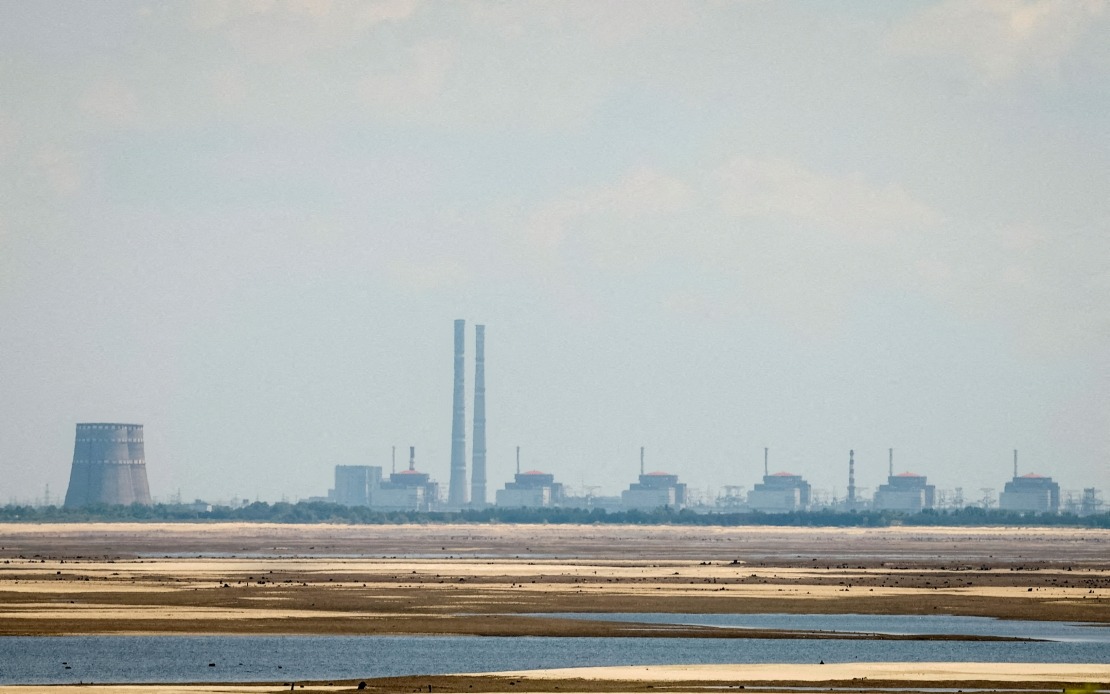
The Zaporizhzhia Nuclear Power Plant in Ukraine has lost external power for the twenty-first time since Russia's invasion began, prompting the International Atomic Energy Agency to issue a stark warning about the precarious state of nuclear safety at one of Europe's most critical energy facilities. The latest outage occurred on Friday when the plant became disconnected from the 330 kV Ferosplavna-1 transmission line, a key infrastructure link supplying electricity to the sprawling nuclear complex. The frequency and nature of these interruptions paint a troubling picture of ongoing vulnerability at a site holding enormous strategic and environmental significance for the region.
According to the IAEA, military activity in the vicinity of transmission infrastructure triggered automatic protective systems designed to safeguard the electrical grid. These safety mechanisms, while functioning as intended, nonetheless resulted in the loss of off-site power—the preferred and most reliable source for powering essential reactor cooling systems. The disconnection forced the plant to rely on backup systems, a scenario that nuclear engineers regard as inherently riskier than continuous connection to stable external power sources.
When off-site power failed, the plant's on-site emergency diesel generators automatically engaged to maintain electricity flowing to critical safety equipment, including the cooling mechanisms that prevent dangerous temperature rises in the reactor cores. This automated response capability has prevented catastrophic failures thus far, but the repeated activation of backup systems raises concerns about their long-term reliability and fuel reserves. Each activation represents a potential point of failure in what should ideally be a redundant safety system operating under normal circumstances.
IAEA Director General Rafael Grossi highlighted the gravity of the situation, characterising the plant's nuclear safety status as extremely fragile and emphasising that the international community cannot afford complacency. His statement underscored that the fundamental prerequisite for maintaining safety at any nuclear facility—stable external power supply and freedom from military interference with infrastructure—remains under constant threat. The agency's assessment reflects deep anxiety about the cumulative stress being imposed on systems designed to function under routine operational conditions, not amid active conflict.
The Zaporizhzhia complex represents approximately one-fifth of Ukraine's total electricity generation capacity under normal peacetime operations. Its extended shutdown or catastrophic failure would devastate not only Ukraine's energy infrastructure but could potentially affect neighbouring countries through radioactive contamination. The facility's strategic location in a contested region means it operates under persistent risk factors that most nuclear installations worldwide never encounter. This unprecedented situation creates an international crisis that extends far beyond conventional military or political calculations.
Each power disruption requires plant operators to make critical decisions about generator fuel consumption, maintenance scheduling, and potential evacuation protocols. The cumulative effect of twenty-one separate incidents suggests an established pattern rather than isolated accidents. This pattern indicates that the threat to the plant's integrity is structural and ongoing, not temporary. Military forces operating in the region appear either unable or unwilling to provide the protective buffer that basic nuclear safety protocols demand.
The IAEA's repeated warnings have emphasised that restoring and maintaining reliable off-site power constitutes the single most important measure for preventing nuclear disasters. Without this fundamental requirement met, even the most modern safety systems become stretched beyond their intended operational envelope. The situation parallels but exceeds previous nuclear crises, since those occurred during peacetime and involved technical failures rather than ongoing military operations.
For regional observers, particularly those in Southeast Asia dependent on nuclear energy for future power generation, the Zaporizhzhia crisis offers sobering lessons about nuclear facility vulnerability during geopolitical instability. It demonstrates that proximity to conflict zones poses existential risks that transcend national borders. Countries considering nuclear energy expansion must grapple with questions about site security, international oversight mechanisms, and regional stability requirements that go far beyond technical specifications.
The international community faces a paradox: the plant cannot safely continue operating under current conditions, yet its shutdown or destruction could trigger even greater environmental catastrophe. This constraint severely limits options for de-escalation or military solution to the underlying conflict. The IAEA's calls for maximum military restraint implicitly acknowledge that no purely technical intervention can solve a crisis fundamentally rooted in ongoing warfare.
Ukraine and the international community must address not only the immediate safety concerns but also develop frameworks preventing such scenarios in future conflicts. This includes establishing international protocols for protecting critical nuclear infrastructure, mechanisms for inspecting and maintaining facilities in contested zones, and potentially pre-arranged agreements about reactor shutdown procedures during military escalation. The twenty-one power outages at Zaporizhzhia represent twenty-one narrowly averted disasters—a record that cannot continue indefinitely without eventually resulting in catastrophe.

