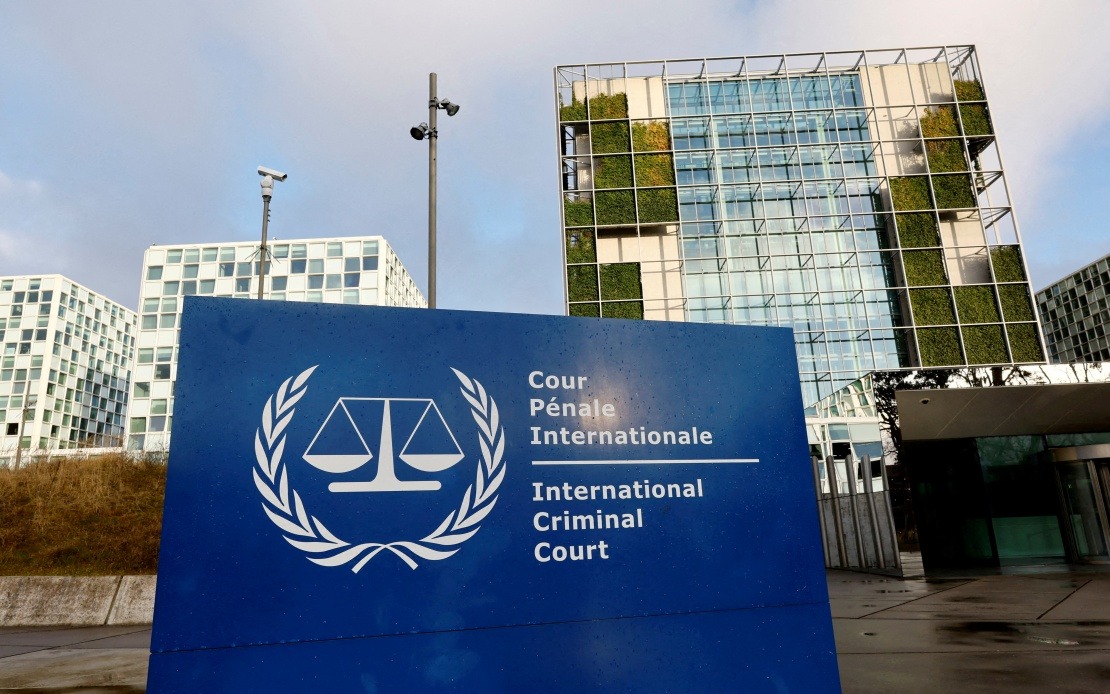
The International Criminal Court issued a forceful rebuke on Wednesday after the United States imposed sanctions against ICC President Tomoko Akane of Japan and Abdoulaye Seye of Senegal, a senior trial lawyer in the court's prosecutor's office. The move marks an escalation in Washington's campaign against the institution, which has increasingly drawn the ire of American policymakers over its investigative activities affecting US interests and allies in the Middle East.
These fresh designations represent the latest chapter in a broader US effort to constrain the ICC's operations through financial and diplomatic pressure. According to the Hague-based court's official statement, nine of its 18 judges, both deputy prosecutors, a former prosecutor and one member of its support staff are now subject to American sanctions. This widening net of targeted individuals demonstrates the systematic nature of Washington's approach to limiting the institution's reach and independence.
The ICC's response was unequivocal in its criticism, characterising the sanctions as a direct assault on the institution's foundational principles. The court argued that these measures represent a "flagrant attack" against an impartial judicial body that operates under a mandate granted by its member states, which span multiple regions and represent diverse interests. This language underscores the court's view that the sanctions constitute not merely a policy disagreement but a fundamental challenge to international legal architecture.
What makes these sanctions particularly contentious from the ICC's perspective is their targeting of judicial personnel explicitly for performing their official duties. The court contends that penalising judges, prosecutors and staff members who are simply executing the institution's mandate creates a chilling effect on international justice mechanisms. By imposing costs on individuals for carrying out their responsibilities, the reasoning goes, Washington effectively punishes the pursuit of accountability for grave international crimes.
The broader implications extend well beyond the immediate institution, touching upon foundational principles of global governance. The ICC argues that coercive measures of this kind undermine the rule of law internationally and jeopardise the stability of the global legal order itself. This perspective reflects a conviction among ICC supporters that independent international courts are essential to preventing impunity for mass atrocities and protecting vulnerable populations from systematic abuse.
Particularly significant is the ICC's concern that sanctions targeting the institution affect not the powerful decision-makers within the court, but ultimately the victims seeking justice through its mechanisms. The court warns that threats and coercive measures directed at its personnel diminish victims' capacity to pursue accountability, especially for individuals and communities who have exhausted domestic legal remedies and turned to the ICC as a last resort. This argument reframes the sanctions debate in terms of access to justice and victim protection.
For countries in Southeast Asia and the Global South more broadly, the ICC's defiant stance carries geopolitical weight. Malaysia and several regional neighbours are parties to the Rome Statute, the treaty establishing the ICC, and have expressed support for international mechanisms addressing crimes against humanity and genocide. The American pressure campaign against the institution thus creates diplomatic complexities for these nations, forcing them to navigate between traditional security relationships with Washington and commitment to international legal frameworks.
The ICC sought to position itself as unwavering in its commitment to its mandate, pledging to continue discharging its responsibilities with full independence and impartiality in accordance with the Rome Statute and in service of crime victims. This declaration serves simultaneously as reassurance to member states and victims' advocates, and as a statement of defiance against external pressure. The court's framing suggests that yielding to sanctions would constitute a betrayal of the victims whose cases are before it.
Support for the ICC came from member states, civil society organisations and other international justice advocates, according to the court's statement. This coalition of backing provides the institution with political cover against American pressure, though the limits of this support remain uncertain should sanctions become more severe or comprehensive. The question of whether ICC member states will actively resist or circumvent American sanctions enforcement mechanisms remains largely unresolved.
The underlying tension reflects competing visions of international law and accountability. The United States has long maintained a sceptical stance toward international courts that might investigate American or allied actions, viewing them as potential constraints on national sovereignty. The ICC's pursuit of cases affecting American interests or those of close allies has intensified this opposition, transforming what might have been doctrinal disagreement into sustained economic and diplomatic hostility.
For Malaysia and other regional states, this conflict presents a significant challenge to the architecture of international justice that many developing nations championed as a counterweight to great power unilateralism. The sanctions campaign raises uncomfortable questions about whether international institutions can genuinely operate independently when powerful states are willing to impose costs on those who challenge their interests. These dynamics will likely influence regional discussions about international law's credibility and utility.
Looking forward, the ICC faces a critical juncture in demonstrating whether it can maintain operational integrity and legitimacy despite American pressure. The court's resolute public response may shore up support among its member states and civil society, yet the practical constraints imposed by sanctions on court operations and personnel cannot be entirely dismissed. The coming months will reveal whether the institution can sustain its investigative and prosecutorial activities while operating under this heightened external pressure.

