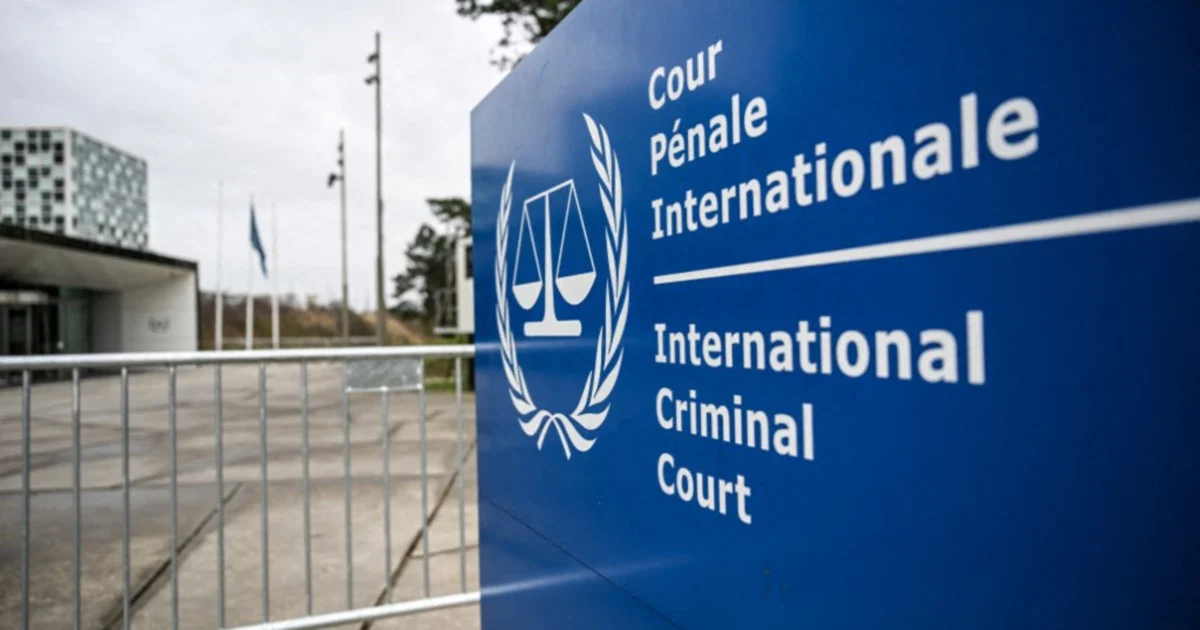
Three judges serving at the International Criminal Court have launched a legal challenge against President Donald Trump and other top officials of his administration, arguing that economic sanctions imposed upon them breach US law and violate fundamental constitutional protections. The lawsuit, filed in a New York federal court on Wednesday, represents a significant confrontation between the global justice mechanism and the American government over the scope and legality of executive power.
The sanctioning of ICC officials has become a contentious flashpoint in relations between the United States and the Hague-based institution. The Trump administration has justified its measures as a response to what it characterises as ICC overreach and investigations deemed unfriendly to American interests. The judges' decision to pursue litigation signals that the court's leadership intends to resist what they consider an extraterritorial assertion of US authority designed to punish the institution's judicial independence.
The sanctions regime targeting ICC officials represents a departure from historical US engagement with international institutions. While America has previously expressed skepticism toward certain ICC operations, the direct sanctioning of judges—officials protected under international law—escalates the dispute beyond diplomatic channels. This action reflects the Trump administration's broader approach to multilateral organisations, which it views with suspicion when they operate outside perceived American influence or challenge US interests.
For Southeast Asian observers, this dispute carries implications that extend beyond transatlantic relations. The ICC has jurisdiction over crimes against humanity, war crimes, and genocide wherever they occur globally. Several Southeast Asian nations maintain complex relationships with the court. Some countries have ratified the Rome Statute establishing the ICC, while others maintain distance. The precedent of powerful nations unilaterally sanctioning international court officials could undermine the institution's credibility and independence across all regions.
The specific grievances underlying the Trump administration's sanctions relate to ICC investigations and potential prosecutions that American officials fear could expose US personnel or allies to accountability mechanisms. This reflects longstanding American ambivalence toward international criminal justice frameworks that might constrain US military or intelligence operations. The judges' lawsuit challenges whether the executive has authority to impose such sanctions without congressional approval and whether these measures violate international law and treaty obligations.
The constitutional dimensions of this case involve significant separation-of-powers questions. The judges argue that sanctions fall outside the executive's permissible authority and require legislative endorsement under the International Emergency Economic Powers Act and other statutes. Such arguments could have broader ramifications for how American courts evaluate the president's power to impose unilateral economic measures against foreign individuals and institutions, particularly when based on political rather than security rationales.
International legal experts have observed that targeting judges of an international court creates problematic precedents. If major powers can sanction foreign judges whose decisions they oppose, the impartiality and independence of global justice institutions becomes compromised. This threatens to transform international courts into arenas where raw power determines outcomes rather than legal principle. For developing nations and smaller powers, such dynamics disproportionately weaken their voice within international mechanisms supposedly designed to provide equal justice.
The ICC itself has expressed concern about the sanctions, noting that they inhibit the court's ability to function and threaten judicial independence. The court's supporter nations, primarily European countries, have criticised the American measures. This division highlights how the Trump administration's approach to international institutions increasingly isolates the US from traditional allies while reinforcing perceptions that American foreign policy prioritises power over principle.
Within Southeast Asia, this dispute resonates differently across nations with varying interests in international law. Countries that have experienced serious allegations involving international crimes may view ICC independence as essential. Conversely, nations concerned about investigations into their own conduct may appreciate any force that weakens the institution. Malaysia's own complex history with international institutions—from UNCLOS obligations to ASEAN's consensus-based diplomacy—illustrates how regional states navigate between respecting international law and protecting sovereignty.
The lawsuit's outcome remains uncertain. US courts may be reluctant to impose meaningful restrictions on executive foreign policy powers, though the constitutional arguments raise novel questions. If the judges prevail, it would establish that even foreign officials cannot be arbitrarily sanctioned without legal justification. If they lose, it affirms expansive executive authority to weaponise sanctions against international bodies.
This case illuminates broader tensions in the contemporary international system. As institutions designed to uphold global standards face pressure from powerful nations unwilling to accept constraints, the rules-based order becomes increasingly fragile. For Malaysia and regional peers, the stability of international legal frameworks matters profoundly. When major powers treat international courts as obstacles rather than partners in justice, all nations—particularly those without superpower status—lose recourse to impartial mechanisms for resolving disputes and addressing grievances.
The judges' willingness to pursue litigation through American courts, despite the asymmetrical power dynamics involved, reflects determination to defend institutional autonomy. Whether they succeed in American courts or fail, their action sends a message to other international institutions and developing nations that challenging superpower pressure is possible and necessary to preserve global justice mechanisms from erosion.

