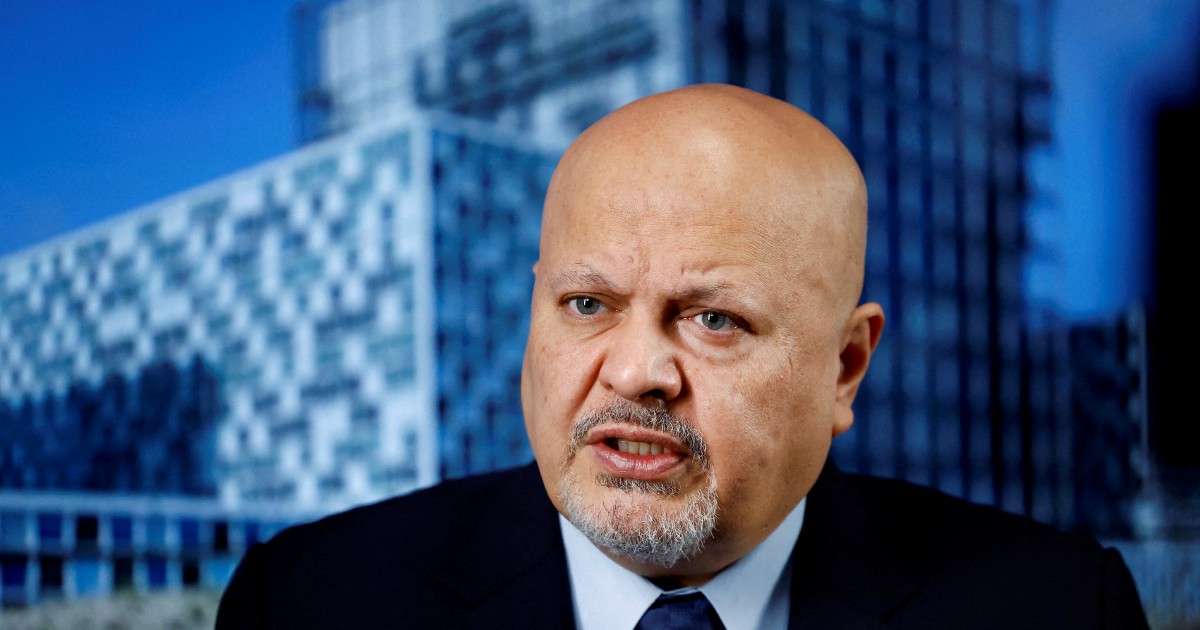
The future of Karim Khan as prosecutor of the International Criminal Court remains deeply uncertain following serious allegations of sexual misconduct that have cast a shadow over his controversial tenure. His position—once seemingly unassailable after securing arrest warrants against Russian and Israeli leaders—now teeters on the edge as the institution grapples with internal turmoil and questions about its own governance structures.
Khan's appointment as ICC prosecutor represented a watershed moment for the court's enforcement capabilities. During his term, he pursued landmark cases against figures of major geopolitical significance, most notably issuing arrest warrants for Russian President Vladimir Putin over alleged war crimes in Ukraine and for Israeli Prime Minister Benjamin Netanyahu regarding the Gaza conflict. These decisions elevated Khan's international profile and demonstrated the court's willingness to act against powerful states, at least rhetorically. However, these same decisions generated fierce criticism from multiple quarters, with both Moscow and Jerusalem launching coordinated campaigns to undermine his credibility and challenge the court's jurisdiction.
But professional victories have been overshadowed by allegations that Khan engaged in inappropriate sexual conduct, claims that have triggered internal investigations and calls for his resignation from various quarters within the ICC itself. According to reports, the allegations centre on Khan's conduct with staff members, raising serious questions about the power dynamics and organisational culture within the prosecutor's office. These accusations have produced a paradoxical situation: the man who positioned himself as a champion of accountability now faces accountability mechanisms he perhaps did not anticipate would be deployed against him.
The timing compounds the damage. The accusations emerge at a moment when the ICC's credibility is already under strain. Developing nations have increasingly questioned whether the court serves as an instrument of selective justice, pointing to its disproportionate focus on African cases and relative reluctance to investigate alleged crimes by Western powers. Khan's high-profile warrants against Netanyahu and Putin were intended partly to counter perceptions of bias, yet they have also intensified geopolitical tensions and invited retaliation from the targeted states.
For Southeast Asian observers, Khan's predicament carries particular resonance. Many countries in the region remain cautious about the ICC's reach and legitimacy, with some never ratifying the Rome Statute and others questioning whether international justice mechanisms serve genuine accountability or merely project power. Malaysia and other regional states will watch closely how the court's governing body responds to these allegations, as the handling will signal whether the ICC can credibly enforce standards against its own leadership or whether it remains vulnerable to the selective application of justice depending on political convenience.
The allegations have also illuminated deeper institutional weaknesses within the ICC. Critics point out that the prosecutor's office operates with limited external oversight mechanisms, creating environments where misconduct can persist. The court's governance structure, designed to be independent from state pressure, has inadvertently created spaces where internal accountability remains murky. This contradiction—an institution founded to hold powerful actors accountable while itself lacking robust internal checks—threatens to undermine the legitimacy of Khan's prosecutorial achievements, whatever their juridical merit.
Khan's defenders argue that his aggressive prosecutorial stance has necessarily generated hostility from powerful interests threatened by his actions. They contend that the misconduct allegations may be part of broader efforts to undermine a prosecutor willing to challenge major powers. However, such arguments, while potentially containing merit, cannot excuse what the allegations describe. The ICC's moral authority depends fundamentally on its demonstrated commitment to the highest ethical standards at every organisational level.
The investigation into Khan's conduct will likely consume significant institutional attention and resources during a period when the court faces mounting caseloads and political pressure. The outcome remains genuinely uncertain. The ICC Assembly of States Parties must weigh competing institutional interests: removing Khan could suggest that the court caves to pressure from powerful states; retaining him could signal that senior officials operate beyond accountability. Neither option carries obvious advantages.
Regional implications extend beyond perceptions of the ICC's neutrality. Khan's situation will likely reinforce anxieties among Southeast Asian nations about surrendering aspects of sovereignty to international bodies that may not adequately represent their interests or apply justice principles uniformly. Countries already sceptical of the ICC will find in Khan's case further evidence supporting their wariness.
Ultimately, Khan's legacy will encompass both his prosecutorial boldness and his apparent personal failings. Whether he remains in post or faces removal, the International Criminal Court faces a critical juncture in establishing whether it can function as a genuine institution of law or whether it remains subject to the same political pressures and ethical compromises that plague traditional international relations. The court's response to Khan will reverberate far beyond The Hague, influencing whether developing nations—particularly in Southeast Asia—will strengthen or distance themselves from international accountability mechanisms in coming years.

