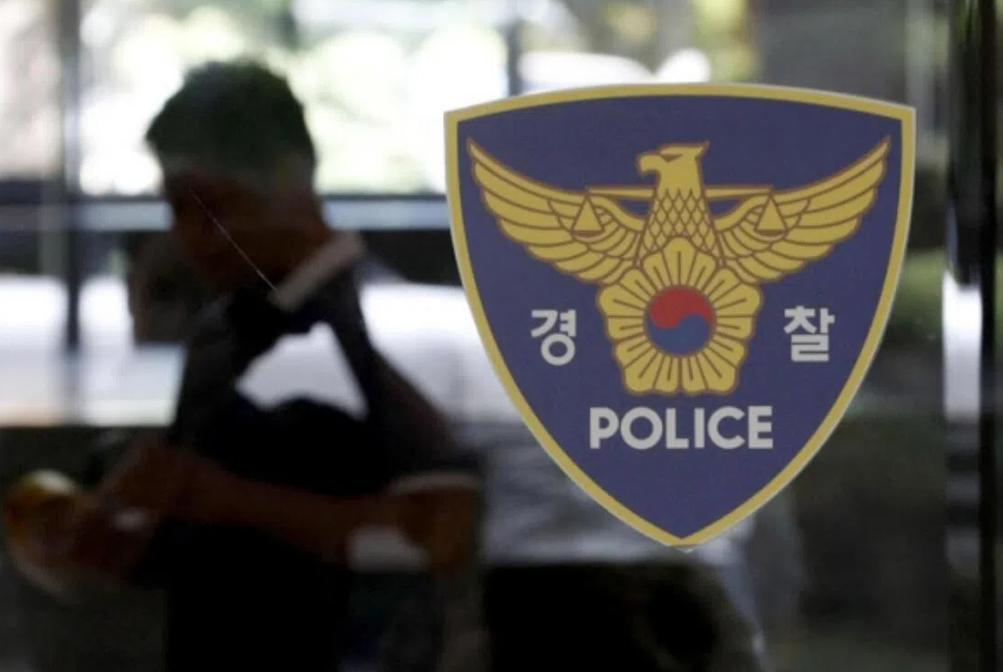
A police officer in Incheon is now the subject of a criminal investigation following a tragic incident in the pre-dawn hours of July 3, when she struck and killed a woman she had been dispatched to assist. The Michuhol Police Station confirmed that the officer, in her 20s, has been accused of causing death through a traffic accident. The fatality highlights the risks and challenges inherent in emergency response operations, particularly during night-time hours when visibility is severely compromised, and raises questions about police protocols and vehicle safety procedures during welfare checks.
The circumstances leading to the incident began when police received an emergency report indicating that a woman in her 60s had collapsed and was lying in the roadway. The officer was promptly dispatched to the scene to provide assistance. At approximately 12:45am on July 3, as the patrol vehicle approached the location, the officer's car struck the collapsed woman. The collision proved fatal, transforming what should have been a rescue operation into a tragedy that has since sparked a formal investigation into the officer's actions and the conditions surrounding the accident.
According to statements provided to investigators, the officer claimed she did not observe the victim prior to the collision. Police officials attributed the accident in part to environmental factors, noting that the area experienced poor lighting conditions at the time. The specific location of the incident, which occurred near a left turn in the roadway, may have further complicated visibility and created a blind spot that the officer could not adequately assess. These factors suggest that the accident may have resulted from a combination of darkness, roadway design, and the unexpected presence of a person in the vehicle's path rather than deliberate negligence.
The investigation into the incident remains ongoing, with authorities at the Michuhol Police Station committing to a thorough examination of all available evidence. Investigators plan to obtain and analyse surveillance footage from the area surrounding the accident scene, which may provide crucial insights into the vehicle's speed, the visibility conditions at the time, and the officer's sightlines. This video evidence could be instrumental in determining whether the officer exercised reasonable care and whether the accident was genuinely unavoidable given the circumstances, or whether procedural violations or negligence contributed to the tragedy.
The legal consequences for the officer remain uncertain at this stage. Police officials indicated that they will use the results of their investigation to decide whether to request an arrest warrant against the officer. This decision will likely hinge on whether investigators determine that the officer's conduct fell below acceptable professional standards or whether the accident is deemed an unfortunate consequence of responding to an emergency in hazardous conditions. South Korean law distinguishes between accidents caused by negligence and those that occur despite reasonable precautions, and prosecutors will need to establish culpability before proceeding with charges.
A police sergeant who was occupying the passenger seat during the incident is not expected to face disciplinary action, officials stated. This decision suggests that investigators do not believe the sergeant bore responsibility for the tragedy or that there were no procedural violations that the sergeant should have prevented. The distinction between the treatment of the two officers may indicate that responsibility is being attributed primarily to the driving officer's actions or inactions at the moment of impact.
This incident raises important questions about police procedures during emergency responses, particularly when responding to welfare checks and reports of collapsed persons in public spaces. Emergency responders often face situations where they must balance the urgency of reaching a person in distress with the need to operate vehicles safely, especially in poor visibility conditions. The case highlights potential gaps in protocols, such as whether officers should reduce speed when responding to calls involving people lying in roadways, or whether additional precautions such as using spotlights or positioning vehicles in ways that maximise visibility should be standard practice.
For Malaysian readers and observers across Southeast Asia, this incident serves as a sobering reminder of the complexities inherent in emergency response operations. Police and emergency services across the region often operate in environments with varying infrastructure standards, lighting conditions, and road safety features. The Incheon case underscores the importance of establishing clear protocols and training procedures that allow officers to respond effectively to emergencies while minimising risks to both responders and the public. It also highlights how rapidly circumstances can shift—from a routine welfare check to a fatal accident—within seconds.
The tragedy is particularly poignant given the irony of the situation: the officer was responding to help someone in danger when the accident occurred. This dynamic creates significant psychological and legal complexity, as it complicates assessments of liability and culpability. In many jurisdictions, including South Korea, such cases are evaluated with consideration for the officer's good faith efforts to perform their duties, while simultaneously holding them accountable for maintaining appropriate professional standards.
As the investigation progresses, the case will likely have ripple effects across South Korean law enforcement agencies, potentially prompting reviews of emergency response procedures, vehicle operation protocols, and officer training standards. The outcome of the investigation—whether the officer is charged, prosecuted, or exonerated—will send important signals about how authorities balance accountability with the realities of emergency work. The case also underscores broader discussions about road safety, particularly the vulnerability of pedestrians and persons in distress in urban environments where visibility hazards can rapidly turn routine situations into tragedies.

