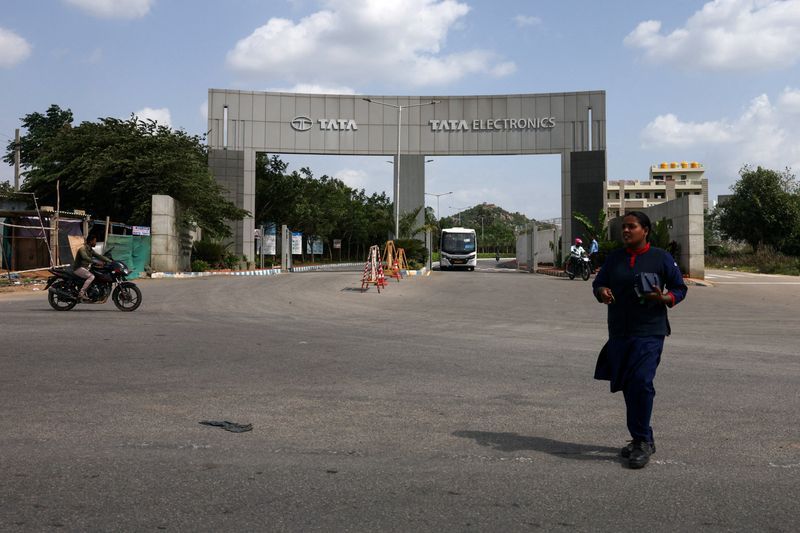
India's Ministry of Electronics and Information Technology has formally confirmed an investigation into a significant data breach at Tata Electronics, one of Apple's key manufacturing partners in the region. The incident exposed confidential documents related to Apple's unreleased iPhone 18 Pro, marking the first time Indian authorities have publicly acknowledged their involvement in the case. S. Krishnan, secretary at the ministry, made the announcement on Thursday, signalling the government's concern over the security lapse and its implications for India's standing as a technology manufacturing hub.
The ransomware attack has resulted in the theft and subsequent publication of highly sensitive files on the dark web, including detailed component specifications and supplier lists for the iPhone 18 Pro models. Among the compromised materials are photographs of the forthcoming devices and documentation that reveals which manufacturers are producing specific parts—information that Apple typically keeps confidential and does not release in its public supplier transparency reports. Such proprietary details are worth significant value in the competitive smartphone manufacturing industry, where supply chain logistics and component sourcing are closely guarded competitive advantages.
The timing of the breach carries particular significance given Apple's product launch schedule. The technology giant is expected to unveil the iPhone 18 Pro and Pro Max in September, meaning the leaked information could provide competitors and observers with advance knowledge of the device's hardware configuration and manufacturing strategy. The exposure of supplier relationships is particularly problematic for Apple, as it reveals which companies have secured contracts to manufacture critical components, potentially disrupting negotiations with other suppliers and complicating Apple's carefully balanced global supply chain strategy.
Tata Electronics' role as a critical node in Apple's manufacturing ecosystem underscores the growing importance of India as a production centre for consumer electronics. The company has been steadily increasing its presence in smartphone assembly, making it a strategic partner for Apple's efforts to diversify manufacturing away from China. However, this incident raises questions about the cybersecurity infrastructure protecting sensitive manufacturing operations in India, particularly those involving multinational technology companies handling proprietary information.
The Indian government has escalated the matter to the Computer Emergency Response Team, the nation's principal agency responsible for addressing cybersecurity threats and digital emergency responses. This formal referral indicates that authorities are treating the breach as a matter of national concern, not merely a private corporate security issue. India's approach reflects the strategic importance of protecting its technology manufacturing sector and maintaining the confidence of foreign investors who rely on the country's infrastructure for sensitive production operations.
The ransomware group responsible for the attack has demonstrated a pattern of targeting major technology companies. Beyond Tata Electronics, the same threat actors have posted materials allegedly stolen from Tesla, Qualcomm, and TSMC on dark web forums, suggesting a sophisticated operation targeting multiple links in the global technology supply chain. This coordinated targeting of industry leaders points to a well-organised criminal enterprise rather than opportunistic cybercriminals, raising concerns about the vulnerability of critical technology infrastructure across Asia.
In response to the breach, Tata Electronics has engaged international forensic specialists to conduct a comprehensive security audit of its systems. This engagement of external expertise reflects the seriousness with which the company is approaching the incident and the technical complexity involved in investigating sophisticated ransomware attacks. The audit will likely examine how the attackers gained initial access, what systems they compromised, how long they remained undetected, and what preventive measures can be implemented to prevent future incidents.
For Apple, the breach represents a significant operational challenge that extends beyond the immediate security concern. The company faces potential competitive disadvantage as rival smartphone manufacturers gain advance knowledge of the iPhone 18 Pro's hardware specifications and component sourcing strategy. The leak could also complicate Apple's relationships with suppliers who may feel vulnerable having their contractual relationships exposed, potentially making future negotiations more contentious. Additionally, the incident may prompt Apple to reassess its supply chain security protocols and vendor management practices.
The breach also carries implications for India's broader ambitions to establish itself as a reliable manufacturing destination for sensitive technology products. As multinational companies increasingly seek to reduce their dependence on Chinese manufacturing facilities, India has positioned itself as an alternative hub. However, security incidents like this threaten to undermine investor confidence in India's ability to protect intellectual property and sensitive business information. The Indian government's swift public acknowledgement of the investigation may be partly intended to demonstrate active engagement with cybersecurity threats and commitment to protecting foreign investors' interests.
The incident highlights the evolving nature of cybersecurity threats in the manufacturing sector, where ransomware groups increasingly target supply chain participants rather than end consumers. By compromising a manufacturer's systems, attackers gain access to proprietary information belonging to multiple major technology companies simultaneously, maximising the potential value of stolen data. This business model has proven effective and lucrative for cybercriminals, explaining why technology manufacturers across Asia remain persistent targets.
Looking forward, the investigation's outcomes will likely influence how companies operating in India approach cybersecurity investments and incident response protocols. Indian policymakers may use the findings to inform regulations around data protection in the manufacturing sector, particularly for companies handling information of international significance. For companies considering manufacturing operations in India or other developing economies, the incident serves as a reminder that robust cybersecurity infrastructure is essential regardless of location, and that protecting supply chain information requires vigilance across all layers of production and logistics.

