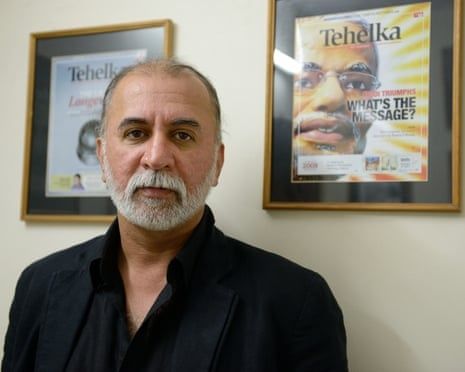
The Bombay High Court has handed down a conviction against Tarun Tejpal, 63-year-old founder and former editor of Tehelka magazine, in a rape case that has captivated public attention across India since the alleged incident occurred more than a decade ago. This verdict on Thursday reverses a trial court's decision to acquit him in 2021, delivering a significant turn in a legal battle that has stretched across years of proceedings in India's justice system. The conviction comes following an appeal lodged by the Goa government, which challenged the earlier acquittal before the Bombay High Court.
The alleged assault took place in November 2013 at a five-star hotel in Goa during an event where Tejpal worked. According to the charges against him, Tejpal sexually assaulted a female colleague in the hotel lift, an act that prompted the journalist to come forward with allegations that eventually led to his arrest. He subsequently spent seven months in detention before securing bail from the Supreme Court, a development that allowed him to remain outside prison during the protracted legal proceedings that followed.
When the Goa trial court initially acquitted Tejpal of multiple charges including rape, sexual harassment and wrongful restraint in 2021, the decision surprised many observers who had been following the case. That outcome prompted the Goa government to contest the acquittal, escalating the matter to the Bombay High Court where the conviction was ultimately secured. Sunita Sawant, the lead police investigator in the case, expressed satisfaction with the court's decision, emphasizing the broader implications for women seeking justice within India's professional sectors.
The case unfolded against a backdrop of heightened national scrutiny regarding India's treatment of sexual violence. Just a year before Tejpal's alleged crime, the fatal gang rape of a 23-year-old student aboard a Delhi bus in December 2012 had triggered massive public protests and international condemnation. That horrific case fundamentally shifted how India's government approached sexual assault legislation, leading to significant strengthening of rape laws and demonstrating the power of public pressure in forcing institutional reform.
For Tehelka magazine specifically, the allegations against Tejpal proved catastrophic to its standing and influence within Indian journalism. The publication had established itself as a champion of investigative reporting, women's rights advocacy, and social justice issues, making the allegations against its own leadership deeply ironic and damaging. The internal contradiction between the magazine's stated mission and the behaviour attributed to its former editor severely undermined Tehelka's credibility and moral authority in the eyes of readers, journalists, and civil society observers.
Though Tehelka continues to operate under fresh leadership following Tejpal's departure, the magazine has struggled significantly to recover its previous prominence and influence within India's media landscape. The scandal created a lasting stain on the organization's reputation, and many observers have noted that the publication simply lacks the editorial force and public trust it once commanded. Former supporters and readers have remained skeptical about whether the magazine can genuinely rebuild its standing as an institution committed to accountability and justice.
Tejpal has consistently maintained his innocence throughout the legal proceedings, and he retains the right to challenge Thursday's conviction through the appellate process. With sentencing to occur later in the day of the verdict, the case will move into its next phase, though Tejpal's legal team is expected to pursue higher court challenges. The conviction, however, sends a powerful signal about the judiciary's willingness to revisit acquittals in prominent sexual assault cases where evidence warrants reconsideration.
The verdict arrives at a moment when India continues grappling with systemic challenges in prosecuting sexual violence cases effectively. While the strengthened rape laws implemented after the 2012 Delhi bus case have provided a stronger legal framework, convictions remain difficult to secure, and many cases experience lengthy delays in the court system. Tejpal's case illustrates both the protracted nature of India's judicial processes and the determination of some government authorities to pursue justice even when initial trial courts reach acquittals.
For Malaysian and Southeast Asian observers, the case demonstrates broader regional patterns in how media organizations and powerful figures are held accountable for sexual misconduct. The case also reflects international trends toward greater scrutiny of allegations against prominent journalists and editors, even as media freedom and institutional protection remain contested issues across the region. The conviction underscores how allegations of sexual violence can permanently damage institutional credibility when organizations are perceived as having failed their own members.

