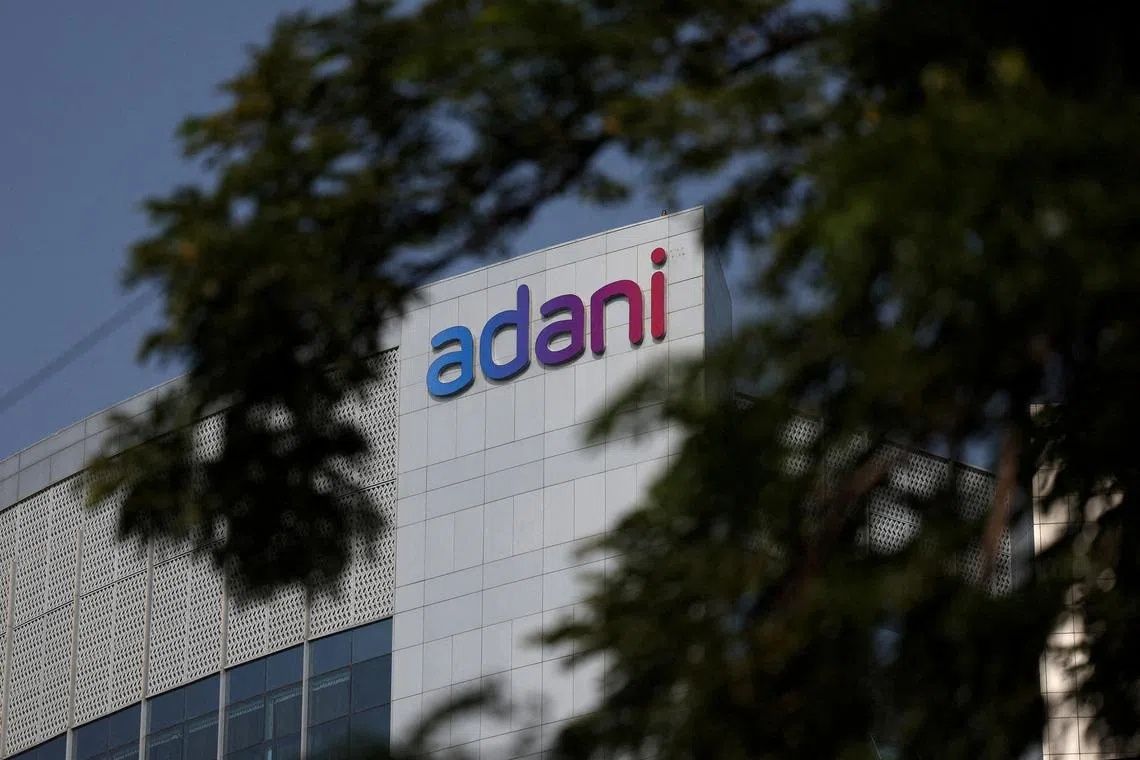
India's customs authorities have escalated their regulatory challenge to the Adani Group by formally supporting the health ministry's position that nicotine pouches cannot be sold at airport duty-free shops, regardless of their tax-exempt status. The intervention marks a significant coordinated effort by multiple government agencies to enforce existing prohibitions on these unregulated nicotine products, with customs officials explicitly rejecting Adani's interpretation that duty-free zones operate beyond the reach of domestic health regulations.
The confrontation intensified after health inspectors conducting a March examination of operations at Adani's flagship Mumbai International Airport discovered nicotine pouches being sold through its duty-free retail outlets, a finding the ministry determined violated Indian law. Rather than accept this administrative decision, the Adani Group chose to contest the ruling in Mumbai's High Court, positioning the dispute as a fundamental question about the scope of regulatory authority in international departure areas of airports.
In a legal filing dated June 22, India's customs department directly addressed Adani's central defence argument, stating that "the concept of goods being 'outside customs frontiers' for taxation purposes does not grant immunity from regulatory controls." This formulation demonstrates the government's sophisticated understanding that exemption from certain taxes or duties does not create a legal vacuum where health and safety regulations cease to apply. The customs position essentially reframes the entire legal debate, moving it away from procedural technicalities toward substantive regulatory authority.
Adani's legal strategy has centred on claiming that its international departure area shops occupy a special jurisdictional space where Indian domestic rules simply do not operate. In a July 13 court submission, the company further argued that customs authorities acted improperly by demanding cessation of nicotine pouch sales without issuing a formal warning notice first. This procedural objection attempts to invalidate the regulatory action on technical grounds, buying time while the company continues to import these products in significant quantities.
The Adani Group has additionally contended that nicotine pouches sold through duty-free channels are legally exported goods sealed in bags and designated for consumption outside Indian territory. Under this interpretation, the company maintains it bears no responsibility for ensuring compliance with Indian health standards since the products are not intended for domestic use. This argument reflects a common duty-free sector position that suggests international departure zones operate under different legal frameworks than the rest of the country.
However, customs authorities have branded this interpretation as fundamentally flawed, pointing out that once passengers physically possess duty-free goods—including these nicotine pouches—they retain absolute discretion over their use. The practical reality that purchasers can immediately consume these products undermines any theoretical claim that they remain "exported" goods beyond regulatory reach. This reasoning exposes what the government sees as a transparent loophole that Adani seeks to exploit.
Nicotine pouches represent one of the fastest-expanding consumer categories in the global nicotine market, gaining traction particularly among younger demographics seeking alternatives to traditional cigarettes. Despite their surging international popularity, India has not approved these products for sale, leaving them in legal limbo. Philip Morris International has publicly celebrated the success of its Zyn brand in the United States, where sales doubled between 2023 and 2024, demonstrating the enormous commercial potential that companies perceive in this category.
Adani's broader airport expansion strategy directly depends on maximizing revenue from duty-free retail operations as part of its ambitious US$11 billion development programme across eight airports nationally. The company views duty-free concessions as a critical component of airport profitability, making any regulatory restriction a serious business concern. Since August, Adani's import documentation reveals purchases exceeding $35,000 worth of nicotine pouches from Swedish Smokeless Solutions, including Zyn and White Fox brands, indicating the company was actively building inventory despite regulatory warnings.
For Malaysian and Southeast Asian observers, this dispute carries broader implications regarding how regional governments might address the rapid expansion of nicotine pouch products. India's regulatory response, supported by coordinated action from customs and health agencies, establishes a precedent that duty-free privileges cannot circumvent health protections. As nicotine pouches gain market penetration across Asia, similar legal challenges may emerge in other countries where regulators question whether these products should be permitted even in tax-exempt retail environments.
The case also highlights tensions between modern tax administration frameworks and public health protection in airport environments. Many regulatory systems have evolved to accommodate duty-free commerce while overlooking whether exemptions from customs duties should automatically exempt products from health scrutiny. The Indian government's position essentially argues that these are separate regulatory domains that should not be conflated, a distinction that may influence how other nations approach comparable scenarios.
Adani's willingness to mount a high court challenge rather than comply with health ministry directives suggests the company views the nicotine pouch category as sufficiently valuable to justify extended litigation. The dispute will resume on July 28 when the court hears arguments from both sides, with potential ramifications extending beyond this single company or product category to shape how India's regulatory agencies coordinate enforcement against major corporate actors.
The underlying conflict reflects a global pattern where traditional regulatory frameworks struggle to accommodate rapidly emerging consumer products, particularly those in the nicotine category. As Adani fights to maintain access to what it considers a legitimate commercial opportunity, Indian authorities are asserting that regulatory authority does not simply evaporate at airport gates, regardless of commercial or jurisdictional conventions.

