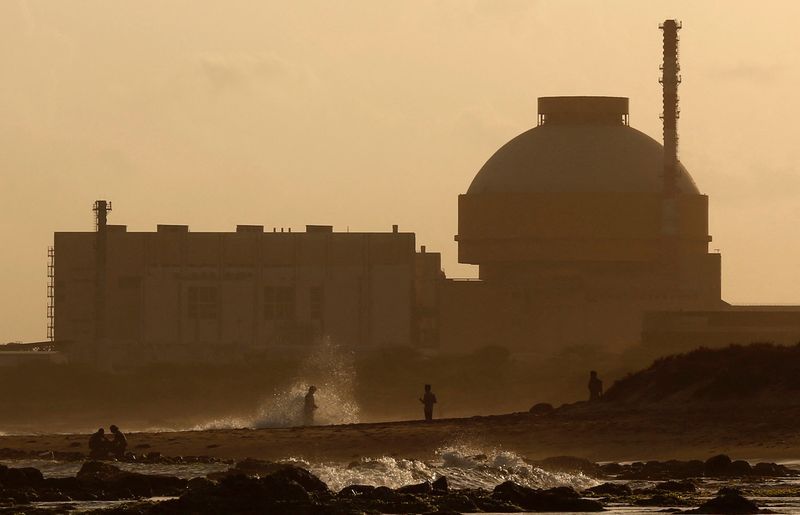
A significant cybersecurity incident has exposed sensitive information related to India's Kudankulam Nuclear Power Plant, the nation's largest atomic energy facility located in Tamil Nadu. The ransomware group World Leaks announced it had posted approximately 19,000 files on the dark web allegedly belonging to Reliance Group, a major contractor involved in the plant's expansion. The breach encompasses documents ranging from 2016 through mid-2025, including purported blueprints of facility sections, supplier contact details, meeting records, inspection documentation, and equipment assessments. This incident highlights the vulnerability of critical infrastructure to organised cybercriminal operations, a concern that extends across Southeast Asia as nations invest heavily in nuclear and strategic energy projects.
The Kudankulam facility stands as the centrepiece of Prime Minister Narendra Modi's nuclear expansion agenda, aimed at substantially increasing India's atomic energy generation capacity. Reliance Infrastructure, a subsidiary of billionaire Anil Ambani's conglomerate, secured a 2018 contract to design and construct infrastructure for Units 3 and 4 of the plant. These two units, currently under construction and scheduled for completion by 2027, are expected to generate a combined 2,000 megawatts of electrical capacity. The project represents a critical component of India's energy security strategy and underscores how breaches affecting such facilities carry implications for regional stability and development goals.
Reliance Group acknowledged the security incident through a statement to Reuters, confirming a "partial breach" of its systems hosted on servers managed by Yotta, a third-party Indian data centre provider. The conglomerate indicated that relevant government authorities had been notified of the incident but declined to specify which data categories had been compromised. Yotta's statement revealed that suspicious activity was detected on 29 May on a server belonging to Reliance Infrastructure, and that malicious activity was immediately halted. However, the company only learned of claims by the "threat actor" regarding a data breach in late June, creating a significant timeline gap during which sensitive information may have been copied.
World Leaks, an established ransomware operation with a track record of targeting major corporations including Nike and India's Tata Group, has not responded to inquiries about the breach. The group typically releases stolen data publicly when targets refuse to pay demanded ransoms. In a previous incident involving Tata Group, the gang demanded $1.5 million for files containing confidential component designs belonging to Apple and Tesla, ultimately publishing the information after claiming the company ignored extortion demands. The posting of nearly 20,000 Kudankulam-related files suggests either Reliance declined negotiation or the cybercriminals proceeded with their threats regardless of payment discussions.
Experts assess the security implications as particularly grave. Nickolas Roth, a senior director at the Nuclear Threat Initiative, characterised the breach as posing "serious" risks to plant safety. The exposed documents allegedly contain blueprints for ventilation and cooling systems serving Units 3 and 4, as well as layouts of a common control room facility. Security researchers note that such information could enable malicious actors to map support infrastructure, identify supplier chains, and locate weaknesses within the facility's defensive perimeter. The documents could reveal "not just who has access to the project but which systems that access reaches," according to Roth, fundamentally compromising security architecture planning.
The breach carries additional intelligence value that extends beyond operational security. Disclosed insurance documentation indicates that Reliance Infrastructure and the Nuclear Power Corporation had obtained a terrorism insurance policy providing $112 million coverage for either Unit 3 or Unit 4, information that could influence threat assessments by hostile actors. Vendor lists, meeting records, and equipment specifications furnish a comprehensive profile of the facility's technical ecosystem. Notably, the exposed files do not appear to include blueprints of the reactors' core systems, which Russia's state-owned Rosatom supplies, suggesting that critical nuclear components remain protected despite the broader compromise.
This security failure emerges within a broader context of escalating cyber threats targeting India's critical infrastructure. The Nuclear Power Corporation and India's Computer Emergency Response Team (CERT-In) are investigating the incident, though neither agency has made public statements. India ranks third globally in data breaches by account volume, with 28.9 million compromised accounts recorded last year, surpassed only by the United States and France according to cybersecurity firm Surfshark. A 2024 survey by India's Data Security Council and firm Seqrite found that 73 percent of 204 surveyed organisations were unaware whether they had experienced cyberattacks, whilst 57 percent lacked fundamental cyber hygiene practices, indicating systemic preparedness gaps across the nation's enterprise sector.
The Kudankulam incident marks the facility's second documented cyber compromise. In 2019, malware associated with North Korean hacker groups was discovered on the plant's administrative network, though the Nuclear Power Corporation stated at the time that investigations revealed no compromise of operational systems. That earlier episode demonstrated that advanced state-sponsored actors perceive Indian nuclear facilities as valuable intelligence targets, raising questions about whether the organisation has adequately strengthened defences in the intervening years. The reoccurrence of significant breaches suggests that lessons from 2019 may not have translated into comprehensive security architecture improvements across the nuclear sector.
The breach underscores vulnerabilities within India's contractor ecosystem, where many firms lack sophisticated cybersecurity infrastructure and rely on third-party hosting providers with their own security limitations. Reliance's dependence on Yotta for data management created a potential single point of failure, and the delay in detecting and reporting the breach—from May to late June—indicates insufficient real-time monitoring and rapid-response protocols. For Malaysia and other ASEAN nations developing nuclear capacity or partnering with Indian firms on infrastructure projects, this incident provides cautionary lessons regarding due diligence requirements for critical infrastructure contractors and the importance of embedding cybersecurity standards within international project agreements.
The incident reflects a troubling pattern whereby Indian companies operating in sensitive sectors demonstrate insufficient cyber resilience compared to international standards. The combination of aggressive ransomware operators, patchy cyber defences, and limited awareness among major corporations creates environments where breaches of strategic importance become increasingly probable. Government responses remain limited, with the Department of Atomic Energy and Prime Minister Modi's office declining to comment on the incident. This reticence, whilst potentially motivated by security considerations, prevents public reassurance and leaves outstanding questions about whether regulatory frameworks governing critical infrastructure cybersecurity have been strengthened following the 2019 Kudankulam incident and subsequent breach revelations at other major Indian corporations.
Looking forward, this breach carries implications for regional security architecture and international cooperation frameworks. Nations across Southeast Asia monitoring India's nuclear expansion and considering similar projects must factor heightened cyber risks into planning processes. The breach demonstrates that critical infrastructure protection requires not merely technical solutions but comprehensive governance frameworks, including mandatory incident reporting timelines, regular security audits, and information-sharing protocols. For Malaysian stakeholders engaged with Indian contractors or considering partnerships on sensitive infrastructure, the Kudankulam incident serves as a reminder that due diligence must extend beyond financial and technical capability assessment to encompass cybersecurity maturity and incident response readiness. The unfolding investigation will likely reveal whether systemic failures in India's nuclear security oversight require international coordination to prevent similar compromises at other strategically important facilities.

