An estimated 2.3 million medical school aspirants in India are confronting a gruelling psychological ordeal as they prepare to retake one of the nation's most competitive entrance examinations on Sunday, June 21, after the government scrapped their initial May 3 results citing widespread question paper leaks. The decision to void an entire examination sitting has triggered an unprecedented crisis of confidence in the Indian medical education system, leaving students who had already invested years of preparation in a state of acute distress with minimal recourse.
The National Eligibility cum Entrance Test, commonly known as NEET, represents the sole pathway to securing admission at Indian medical schools, with an extraordinarily tight acceptance rate that sees only between five and six percent of candidates successfully obtaining seats. This exceptionally selective nature means that the vast majority of test-takers face rejection, making every examination attempt a high-stakes endeavour where performance directly determines life trajectories and career prospects. The decision to invalidate an entire test sitting due to administrative failures—rather than individual student error—has amplified frustration among candidates who had already endured months of intensive preparation.
Allegations that question papers circulated on social media platforms prior to the May 3 examination prompted authorities to cancel all results and mandate a complete retake. While officials have not publicly detailed the specific evidence supporting these claims or quantified how many students may have gained unfair advantages, the blanket cancellation decision affected all candidates uniformly, regardless of whether individuals had access to leaked materials or benefited from advance information. This sweeping approach has left even diligent students bearing the collateral damage of systemic lapses in examination security and integrity management.
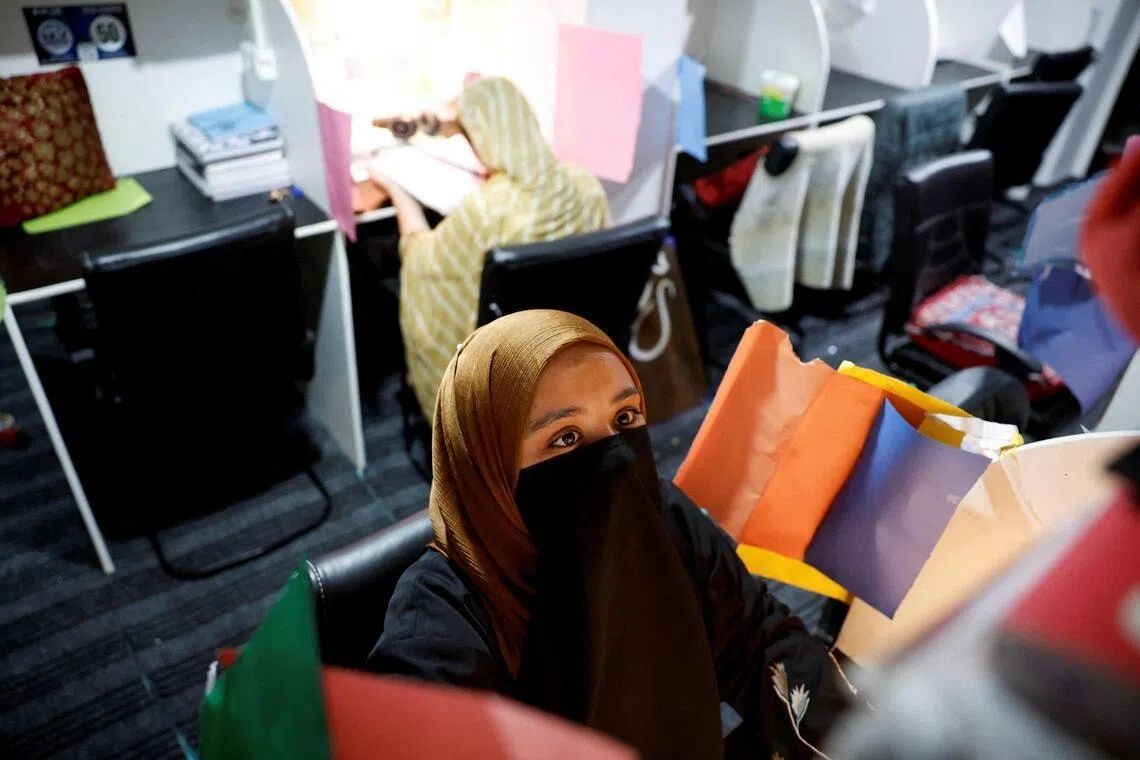
The psychological toll on candidates has been substantial and documented. Alima Javed, a 20-year-old aspirant from Srinagar, articulated the emotional exhaustion many face, describing how the invalidation of their examination after years of dedicated study compounds the already considerable stress inherent in preparing for such a selective test. Another candidate, Aliya Jalaal, also 20 years old, reported that the prospect of retaking the exam has left her sufficiently distressed that she has pursued psychiatric intervention to manage her anxiety. These personal accounts reflect a broader pattern of mental health deterioration among affected students, though verifying claims of examination-related suicides remains challenging due to definitional and reporting difficulties.
The examination cancellation has crystallised into a significant political liability for Prime Minister Narendra Modi's government. Student demonstrations have erupted across New Delhi and major urban centres, with protests attracting hundreds of participants per gathering and generating sustained media coverage. Opposition political figures have seized on the controversy to critique the ruling administration's competence in managing critical institutional systems, while civil society observers have questioned whether fundamental safeguards in examination administration are adequate for a system handling millions of candidates.
In response to mounting public pressure, Education Minister Dharmendra Pradhan has issued assurances that authorities will implement a retake characterised by rigorous "fair and transparent" procedures. However, the government's remedial measures have themselves become controversial. Most notably, authorities ordered a temporary suspension of the Telegram messaging application until the completion of the June 21 examination, arguing that the platform's anonymity features and capacity for rapid channel recreation posed unacceptable security vulnerabilities. This decision to restrict access to a widely-used communication tool has drawn sharp criticism from digital rights advocates and free speech proponents who contend that such measures constitute an excessive and disproportionate response.
When Telegram sought judicial intervention to overturn the suspension on June 19, the Indian court rejected the appeal, ruling that the government's actions constituted a lawful exercise of executive authority within reasonable bounds. The court's reasoning emphasised that Telegram presented a distinctive case compared to other applications, warranting differential treatment based on its technical characteristics and structural vulnerabilities to misuse. This judicial endorsement has provided legal cover for the blocking measure, though civil liberties groups continue protesting what they characterise as an infringement on freedom of communication during a critical social moment.
Beyond the Telegram suspension, authorities have launched a comprehensive multi-agency investigation into the alleged question paper leak, tasking investigators with tracing the leak's origin point and examining financial transaction records that may illuminate suspected cheating networks. Law enforcement officials have confirmed that arrests have occurred across multiple Indian states in connection with the alleged examination malpractice scheme, signalling an effort to identify and prosecute individuals involved in compromising test integrity. Government spokespersons have explicitly warned that those implicated in examination fraud will face substantially escalated penalties, seeking to establish a strong deterrent effect against future cheating attempts.
The government has simultaneously introduced enhanced examination security protocols designed to prevent recurrence of similar breaches. These measures encompass intensified surveillance at test centres, tightened procedural controls governing question paper distribution and handling, and deployment of digital tracking systems intended to create comprehensive audit trails throughout the examination administration process. Officials have portrayed these reforms as necessary structural improvements that will strengthen system reliability and restore public confidence in examination outcomes.
Yet despite these administrative enhancements and government assurances, the anxiety pervading the candidate population has shown limited diminishment. Students express persistent doubts about whether the announced security measures represent genuinely sufficient safeguards, particularly given that similar systems apparently failed to prevent the leak that prompted the original examination's cancellation. The inability of security reassurances to alleviate candidate anxiety underscores the profound erosion of institutional trust that the episode has occasioned, leaving millions of aspirants facing their retake examination with diminished confidence in the examination's integrity and fairness.

