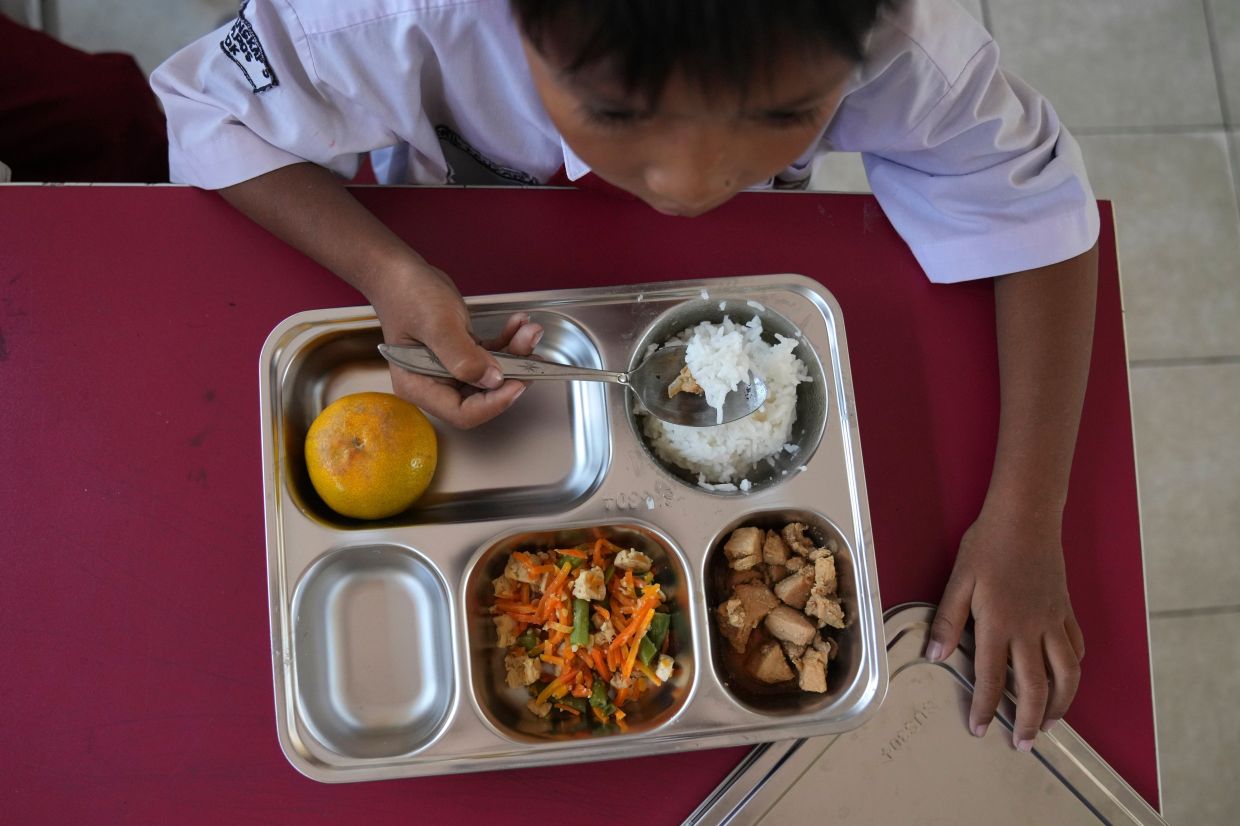
Indonesia Corruption Watch, a civil society group focused on promoting transparent governance, is pushing authorities to shelve President Prabowo Subianto's flagship free meals initiative and extend their anti-corruption inquiry into the project. The watchdog also advocates for the complete dissolution of the National Nutrition Agency, or BGN, which oversees the roughly US$15 billion scheme aimed at tackling malnutrition and poverty nationwide.
Corruption investigators have already detained Dadan Hindayana, the former head of BGN, along with four others including two former deputies. The Attorney-General's office launched the graft probe following Dadan's dismissal. However, Wana Alamsyah, head of the law and investigation division at Corruption Watch, contends that authorities must scrutinise a far broader circle of individuals who may have profited from the programme's governance failures. He points to inadequate planning and rushed implementation as core issues, and calls for examination of vendor relationships and procurement committee involvement.
The new BGN chief, Nanik S. Deyang, has signalled plans to overhaul the initiative, targeting efficiency gains and reduced coverage. Rather than pursuing the target of reaching 82.9 million recipients this year, she said the agency will prioritise nutritional quality in remote regions, potentially spending less than the 268 trillion rupiah (US$14.9 billion) budget allocated. A moratorium on new meal kitchen establishments is also being enforced to strengthen vendor screening procedures.
Opposition to the programme has mounted on multiple fronts. Student-led protests erupted in Jakarta on June 12, with authorities deploying more than 6,000 police and military personnel across the capital to manage further demonstrations in major cities. Investor concern about the financial burden on Indonesia's budget, coupled with rising fuel subsidy costs stemming from regional tensions, has fuelled scepticism about programme sustainability.
Research has documented systemic vulnerabilities within the initiative. Corruption Watch identified political connections to numerous foundations running meal kitchens across 38 provinces. A separate study by the Centre of Economic and Law Studies found that 79 per cent of respondents flagged potential conflicts of interest in direct vendor appointments. Earlier analyses raised concerns about uneven food distribution, inconsistent meal quality and budgetary inefficiencies. Reports of food poisoning incidents and poor-quality, ultra-processed meals have also emerged, though critics question why implementation proceeded nationwide rather than focusing on economically disadvantaged rural communities.