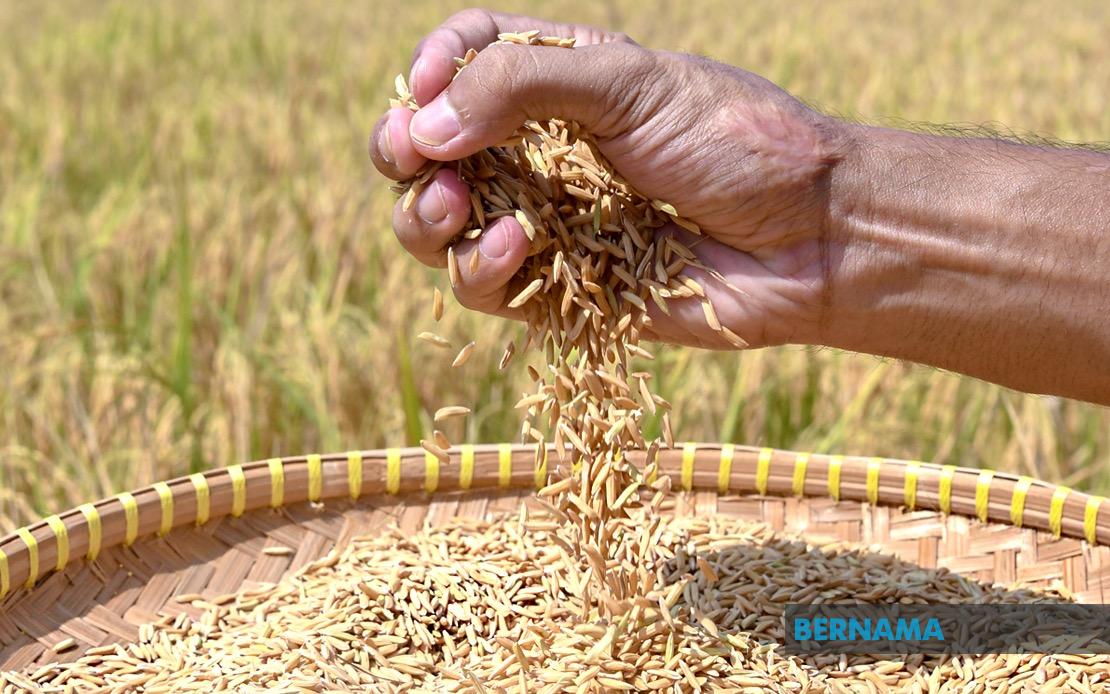
Indonesia's state-owned logistics agency Bulog is actively pursuing rice export arrangements with both Malaysia and Singapore, continuing high-level negotiations on commercial terms as Southeast Asian food security concerns persist. The discussions represent a significant step in Indonesia's strategy to leverage its agricultural capacity while managing regional supply dynamics, though both nations have yet to confirm their readiness to receive Indonesian negotiating delegations.
Bulog president director Ahmad Rizal Ramdhani indicated that Malaysia represents the larger component of these trade discussions, with preliminary negotiations centring on a proposed 200,000-tonne rice shipment. The pricing framework remains the primary sticking point in talks with Kuala Lumpur, though Bulog officials have maintained regular communication channels to move negotiations forward. Ramdhani stated that his agency continues pursuing the matter actively, awaiting confirmation that Malaysian authorities have prepared to host an Indonesian delegation to finalise agreement terms and confirm pricing arrangements that both parties can accept.
Simultaneously, Indonesia is exploring a separate rice export corridor with Singapore involving a smaller initial volume of 10,000 tonnes. This arrangement emerged from bilateral agricultural discussions between Indonesian Agriculture Minister Andi Amran Sulaiman and Singapore's Sustainability and the Environment Minister Grace Fu, who met in Jakarta on June 29. The separate track with Singapore suggests Indonesia is structuring negotiations to accommodate each nation's distinct requirements and absorption capacities, reflecting pragmatic engagement with different market conditions and regulatory frameworks.
The timing of these negotiations carries particular significance within Southeast Asia's broader agricultural economics. Both Malaysia and Singapore have faced supply chain pressures and price volatility in rice markets, making access to Indonesian supplies potentially strategically important. Indonesia, as one of the region's largest rice producers, possesses substantial export capacity, yet domestic priorities have historically constrained international sales. The current negotiations suggest a recalibration of that approach, balancing regional relationships with domestic agricultural interests.
President Prabowo Subianto has imposed a crucial constraint on these negotiations, directing that any rice export agreement must protect Indonesian farmers' interests and support Indonesia's broader economic objectives. This presidential directive signals that short-term export gains cannot come at the expense of domestic agricultural viability or farmer incomes. Such conditions typically translate into minimum price floors and export quotas that prevent depletion of domestic supplies or depression of local rice values, making negotiations more complex as Malaysia and Singapore seek competitive pricing while Indonesia seeks to maintain farmer income stability.
The commercial discussions appear to be progressing methodically rather than urgently, with Ramdhani's comments suggesting that neither Malaysia nor Singapore has yet formally prepared for the arrival of Indonesian negotiating teams. This measured pace may reflect the complexity of aligning multiple objectives across three sovereign nations with different domestic agricultural constituencies. Malaysian rice producers and agricultural ministries must weigh the benefits of supplementary supplies against potential impacts on local farming communities, while Indonesian negotiators must simultaneously satisfy both commercial counterparts and domestic political considerations.
For Malaysia, securing Indonesian rice supplies could provide price stability in a market where supply uncertainty has driven cost volatility. Similarly, Singapore's interest in accessing 10,000 tonnes reflects its fundamental import dependency for food staples and the strategic advantage of diversifying supplies from reliable regional sources rather than depending exclusively on global markets. Both nations recognise that regional self-sufficiency in food commodities reduces vulnerability to global supply shocks, a lesson reinforced by pandemic and conflict-related disruptions in recent years.
The negotiations underscore Indonesia's growing confidence in its agricultural capacity and its willingness to position rice exports as a foreign policy and economic tool. Export revenues would support agricultural sector development and provide foreign exchange, yet the concurrent emphasis on protecting farmer interests indicates that Indonesia seeks sustainable export expansion rather than aggressive supply dumping. This balancing act requires sophisticated negotiation structures that deliver competitive pricing to buyers while maintaining domestic producer profitability.
Regional observers are watching these discussions closely as indicators of Indonesia's food export strategy direction. Success in establishing formal export agreements with Malaysia and Singapore could generate momentum for broader agricultural trade expansion across Southeast Asia, potentially establishing Indonesia as a more reliable regional supplier. Conversely, prolonged negotiations or failed discussions would reinforce perceptions that Indonesia prioritises domestic considerations over regional food security cooperation, potentially affecting broader ASEAN agricultural policy discussions.
The outcome of these negotiations will likely influence agricultural trade patterns across Southeast Asia for the coming years. If agreements are formalised at mutually acceptable terms, they would establish supply corridors that both buyers and sellers can rely on for planning purposes. The commercial precedents established through Malaysia and Singapore negotiations could subsequently facilitate discussions with other regional importers, gradually reshaping Southeast Asia's rice trade geography. However, the emphasis placed on Malaysian preparation and pricing certainty suggests that finalising even these initial agreements requires patient diplomacy and multiple rounds of technical discussions before formal export arrangements materialise.

