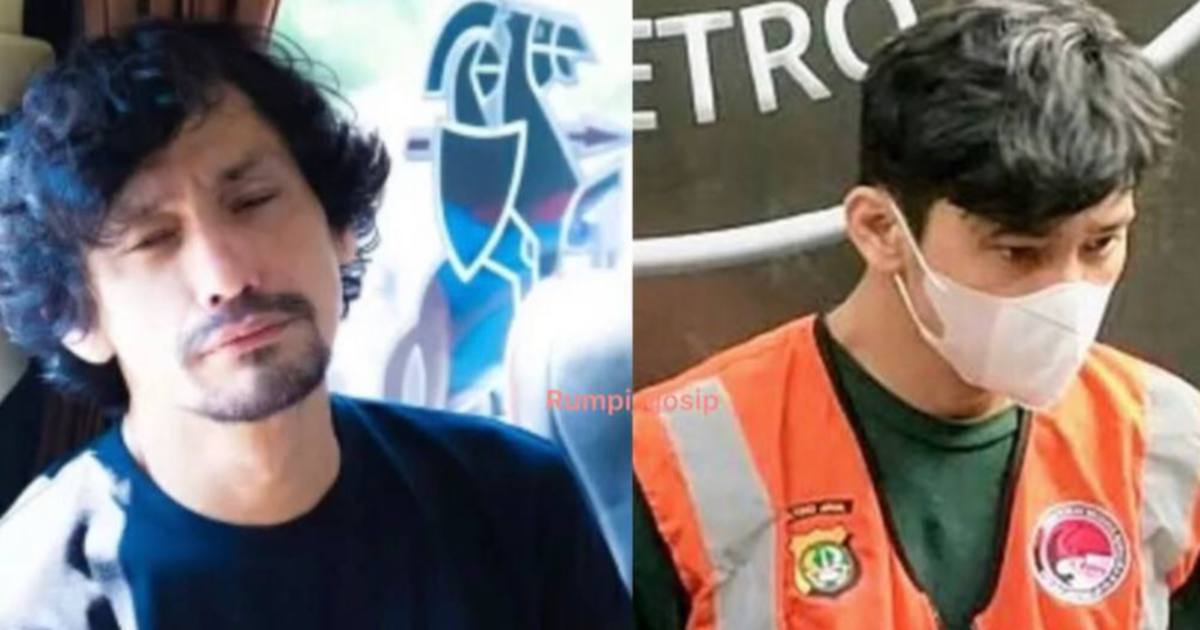
Indonesian police have arrested actor Revaldo Fifaldi at an apartment in South Jakarta following a drug enforcement raid, marking the fourth detention of the actor on narcotics-related charges. The arrest underscores a persistent pattern of involvement with controlled substances that has plagued the entertainment industry figure's career over recent years.
Revaldo, whose full name is Revaldo Fifaldi, faces accusations of drug possession and consumption according to authorities. The raid on the South Jakarta residential unit was conducted as part of ongoing law enforcement operations targeting drug trafficking and abuse in the capital region. Details of the specific substances found during the operation were not immediately disclosed by police, though possession charges typically involve substances categorised under Indonesia's stringent narcotics legislation.
This latest detention represents a troubling continuation for an actor who has cycled through the criminal justice system repeatedly on similar charges. Each previous arrest has triggered media coverage and public commentary, yet the pattern has persisted, suggesting challenges in rehabilitation or ongoing addiction issues. The frequency of his arrests raises questions about the effectiveness of Indonesia's drug intervention programmes and whether celebrities receive adequate support for substance abuse treatment.
Indonesia maintains some of Southeast Asia's harshest drug laws, with penalties ranging from lengthy prison sentences to, in extreme trafficking cases, capital punishment. The nation's approach to drug enforcement emphasises deterrence and punishment rather than treatment-focused intervention. For individuals like Revaldo caught in recurring cycles of arrest, the system offers limited pathways to recovery, instead focusing on incarceration and prosecution.
The entertainment sector in Indonesia has grappled with high-profile drug cases involving actors, musicians, and celebrities. These incidents have prompted discussions about substance abuse prevalence among entertainers, workplace pressures, mental health support, and industry accountability. The repeated nature of Revaldo's arrests suggests systemic failures in providing adequate rehabilitation resources and preventing relapse among individuals with documented addiction patterns.
Jakarta's police operations targeting narcotics distribution and consumption reflect broader government initiatives to combat drug proliferation in urban centres. The capital city, as Indonesia's largest metropolitan area with a population exceeding ten million, faces significant drug trafficking challenges due to its scale, port infrastructure, and concentrated wealth. Raids on residential apartments form part of a multifaceted enforcement strategy that also includes street-level operations and intelligence-based investigations targeting major suppliers.
For Revaldo's career in Indonesian cinema and television, each arrest compounds previous damage to his professional reputation and employability. Entertainment industry connections become strained after repeated legal troubles, and productions become reluctant to cast individuals with documented substance abuse issues. The financial implications extend beyond lost earnings, as legal fees accumulate and career opportunities diminish substantially.
The broader context for celebrity drug cases in Indonesia includes societal ambivalence toward entertainment figures. While some public sympathy exists for individuals battling addiction as a health issue, Indonesian cultural values and religious norms—with Islam predominating among the population—create pressure for moral accountability and disapproval of substance abuse. This cultural framework influences media coverage, public discourse, and judicial sentencing patterns.
Jakarta authorities indicated that standard procedures would be followed regarding Revaldo's processing and potential prosecution. The case will likely proceed through Indonesia's judicial system, where drug possession and consumption charges typically result in conviction given the nation's strict evidentiary standards and enforcement priorities. Defence strategies in such cases often focus on sentencing mitigation rather than acquittal, given the predominance of guilty outcomes.
For Malaysian audiences, this case offers perspective on how neighbouring jurisdictions handle celebrity involvement in narcotics crimes and the divergent approaches to substance abuse within Southeast Asia. While Malaysia also maintains strict drug laws, the treatment of recidivist offenders and emphasis on rehabilitation versus punishment varies compared with Indonesian practice. The Revaldo case illustrates how repeated arrests can effectively end entertainment careers and how addiction, when untreated, perpetuates cycles of legal jeopardy.
The incident also highlights the necessity for comprehensive drug education, mental health support systems, and accessible rehabilitation services across the region. Entertainment industry pressures—including irregular income, social isolation, and performance anxiety—can exacerbate vulnerability to substance abuse. Addressing these underlying factors requires coordinated efforts involving industry stakeholders, healthcare providers, and government agencies across Southeast Asia.
Moving forward, Revaldo's case will test Jakarta's justice system's capacity to address chronic substance abuse through means other than repeated incarceration. Whether authorities might recommend treatment-focused interventions, whether industry bodies might implement rehabilitation support frameworks, or whether legal processes will simply continue their established course remains to be seen. The outcome will inevitably influence public and policy discussions regarding drug enforcement philosophy and celebrity accountability in Indonesian society.

