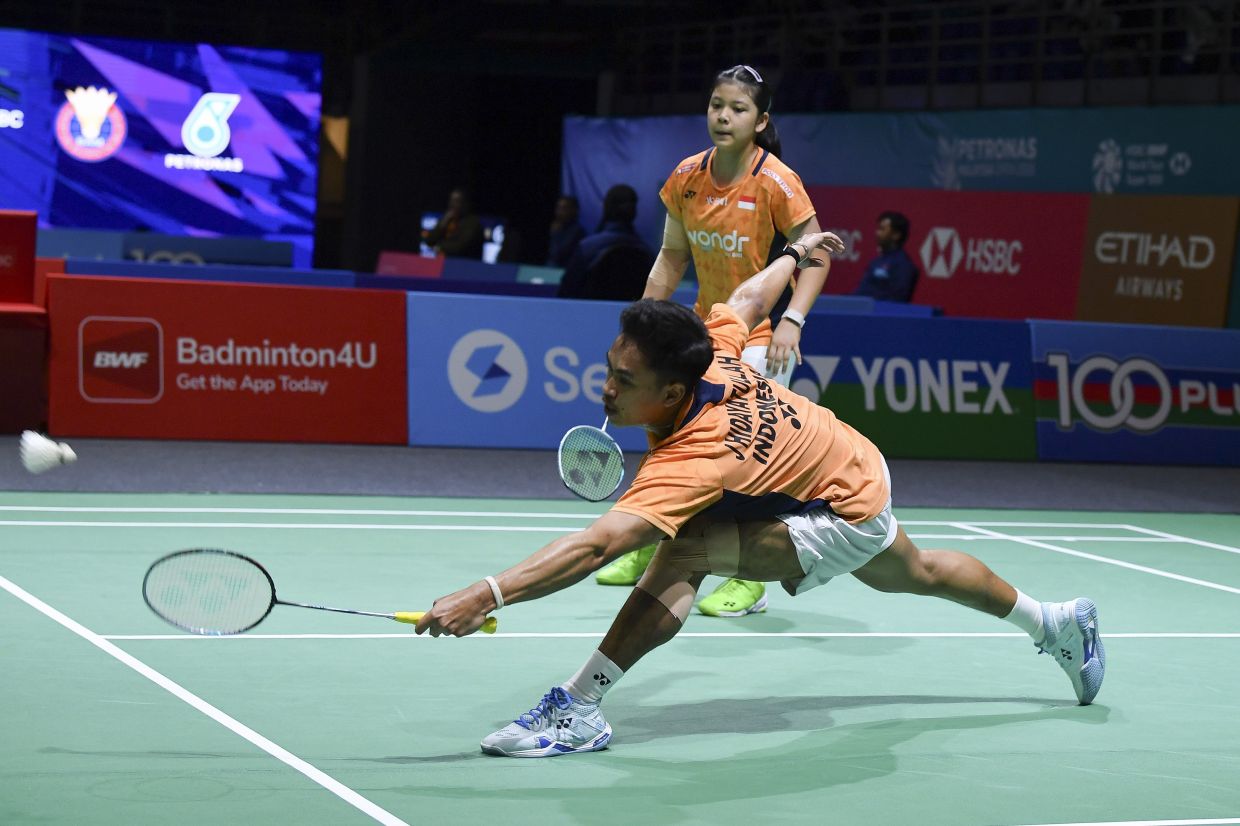
Indonesia's badminton federation has pulled two mixed doubles pairs from the World Championships in connection with a sprawling match-fixing investigation that threatens to tarnish the sport's credibility in one of its traditional powerhouses. The withdrawals of world No. 13 ranked Jafar Hidayatullah-Felisha Pasaribu and fellow mixed doubles pairing Adnan Maulana-Indah Cahya Sari Jamil mark a significant blow to Indonesia's World Championships campaign, though neither player has been formally charged or explicitly linked to wrongdoing.
The Indonesian Badminton Association (PBSI) announced the squad adjustments through secretary-general Ricky Soebagdja, characterising the removals as administrative measures to ensure compliance with international tournament regulations. However, the timing and simultaneous nature of both withdrawals have sparked intense speculation that integrity concerns rather than routine squad management drove the decision. Adnan-Indah withdrew on July 13, followed by Jafar-Felisha on July 29, creating a pattern that observers have interpreted as responses to escalating pressure from the Badminton World Federation (BWF).
The Badminton World Federation confirmed it is conducting independent judicial proceedings into alleged integrity breaches affecting several Indonesian players, though it has not publicly disclosed the scale of the investigation or the specific accusations involved. This vague official stance reflects the sensitivity surrounding match-fixing allegations in badminton, a sport where Southeast Asian nations have historically dominated and where betting on international tournaments runs into billions annually. The BWF's independent hearing panel will ultimately determine whether violations occurred and what sanctions apply, leaving all parties suspended in uncertainty until their decision arrives.
For Malaysia and the Southeast Asian badminton community, Indonesia's troubles carry serious implications. Indonesian players have long been fierce competitors at the regional and world level, and any systematic integrity failures could undermine the credibility of tournaments across the region and taint legitimate achievements by players and federations alike. The investigation also highlights how vulnerable even top-ranked athletes remain to the pressures and temptations surrounding professional badminton, where sponsorships, prize money, and national pride create powerful incentives for both corruption and cover-ups.
The PBSI's public response emphasised institutional cooperation rather than transparency, pledging full support for the BWF's mechanisms while simultaneously refusing to elaborate on the details or rationale behind the withdrawals. This approach reflects a delicate balancing act: demonstrating commitment to integrity while protecting Indonesia's badminton reputation and the accused players' presumed innocence. The federation explicitly urged all parties to refrain from speculation until formal findings emerge, a plea that suggests internal awareness that public commentary could prejudice ongoing proceedings or further damage the sport's image.
Indonesia's withdrawal of two pairs will reduce its mixed doubles presence at the World Championships, though the federation maintains two replacement partnerships. Amri Syahnawi-Nita Violina Marwah will lead Indonesia's mixed doubles contingent, while Rehan Kusharjanto-Gloria Widjaja have been elevated from the reserve roster. These promotions offer opportunity for emerging talent to showcase their abilities on badminton's biggest stage, yet they come amid uncomfortable circumstances that will inevitably colour their participation and the broader narrative surrounding Indonesian badminton at this edition of the championships.
The match-fixing scandal extends beyond the withdrawn pairs, with the BWF investigation encompassing multiple Indonesian players across what may be different events or time periods. This broader scope suggests systematic concerns rather than isolated incidents, potentially implicating coaches, agents, or other figures within Indonesia's badminton ecosystem. For Malaysian observers, the investigation underscores the importance of robust governance, athlete education, and cultural commitment to clean sport—areas where regional federations must collectively strengthen their defences.
Match-fixing in badminton has emerged as a persistent threat to the sport's integrity, with previous high-profile cases involving players from various nations generating headlines and sanctions. The sport's relatively small professional circuits, concentrated betting markets, and the feasibility of predetermined outcomes in doubles matches create vulnerabilities that corrupt actors have repeatedly exploited. Indonesia's status as a badminton superpower makes any integrity crisis within its ranks particularly concerning for global stakeholders invested in maintaining the sport's credibility.
The unfolding situation also raises questions about how players, coaches, and federations across Southeast Asia can better identify and report suspicious activity before it escalates into formal investigations. Unlike football or cricket, badminton lacks comprehensive mechanisms for public awareness campaigns about match-fixing risks and reporting channels. Malaysian badminton authorities and their counterparts in Thailand, Singapore, and Vietnam would benefit from examining this case as a wake-up call to strengthen preventative measures and foster a culture where players feel empowered to resist corruption and report threats.
As the BWF Independent Hearing Panel prepares its judgment, the badminton world waits for clarity on what precisely occurred, which players face consequences, and what remedial steps the sport's global governance structure will implement. Indonesia's withdrawal from the World Championships represents a temporary attempt to contain reputational damage, but the longer-term implications will depend on whether the investigation reveals systemic failures or isolated transgressions. Either way, the episode demonstrates that badminton's integrity challenges transcend national boundaries and demand sustained international vigilance.

