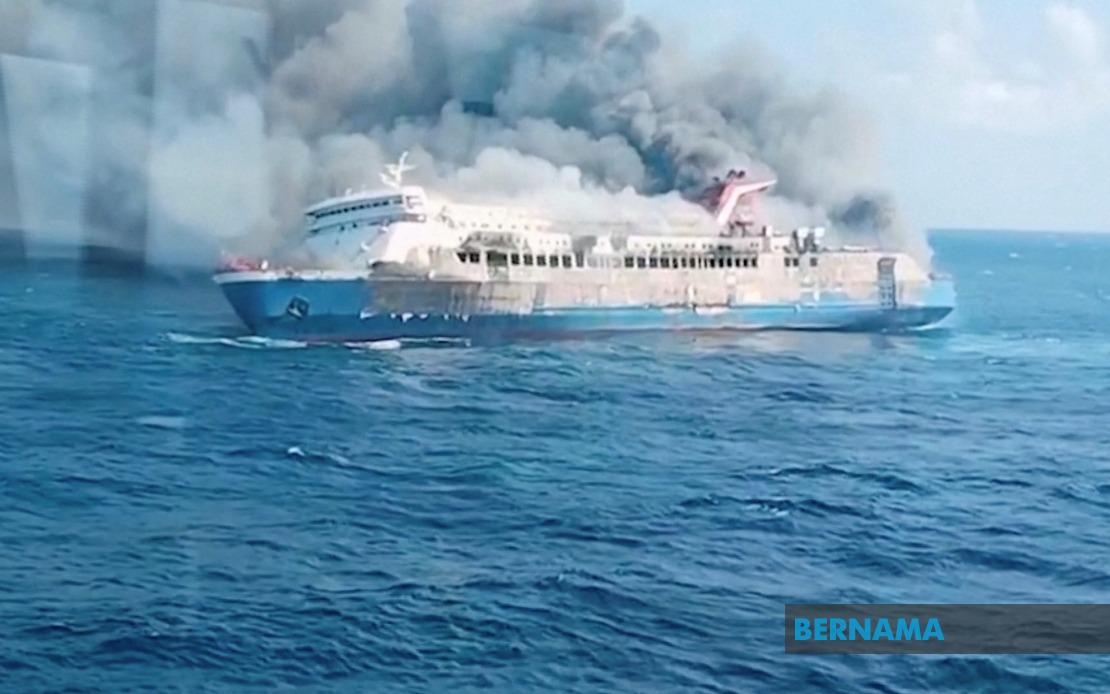
A devastating maritime disaster unfolded off the coast of Madura, Indonesia, when the passenger ferry KMP Mutiara Santosa 2 erupted in flames during its voyage from Surabaya to Makassar. The incident, which occurred early this morning, has claimed at least five lives, while the fates of 41 passengers and crew members remain uncertain as rescue teams continue their search operations into the afternoon.
The 271-person complement aboard the vessel—comprising 232 passengers and 39 crew members—faced a harrowing ordeal as the fire rapidly engulfed much of the ship. By 4 pm local time, rescue personnel had successfully extracted 225 individuals from the burning vessel, according to Nanang Sigit, chief of the Surabaya Search and Rescue Office. The remaining passengers were either among the confirmed deceased or continue to be sought by search teams coordinating across multiple agencies.
The emergency response mobilized swiftly after the Surabaya Search and Rescue Office received initial reports at 8:24 am local time. Search and rescue personnel immediately launched evacuation operations, deploying multiple assets and drawing on the expertise of various government agencies. The rapid response likely prevented an even greater loss of life, though the speed and intensity of the fire posed severe challenges to rescue efforts.
Eyewitness accounts from survivors paint a chaotic scene as the vessel became consumed by flames. Passengers congregated on the bridge and forward sections of the ship, seeking higher ground and areas away from the most intense fires while awaiting rescue assistance. The concentration of survivors in these compartments reflected the desperate reality of maritime emergencies, where passengers and crew alike rush to areas they perceive as safer as the vessel deteriorates around them.
Rescue efforts were significantly aided by the presence of nearby commercial vessels and fishing boats operating in the waters off northern Sumenep. Several passengers who made the perilous decision to abandon ship and enter the sea were intercepted by these Good Samaritan vessels before rescue services could reach them, underscoring how the proximity of other maritime traffic can prove decisive in survival rates during ship fires.
The structural devastation to the KMP Mutiara Santosa 2 was extensive and rapid. According to rescue office officials, the flames consumed most of the vessel's superstructure, rendering large sections uninhabitable and inaccessible. The ferocity of the fire suggests the vessel was engulfed in conflagration within a remarkably short timeframe, likely contributing to the casualties and missing persons as the window for evacuation narrowed dramatically.
Investigators have yet to determine the origins of the fire, with authorities indicating that the cause remains under investigation. The preliminary focus of such investigations typically centers on potential sources including electrical faults, fuel line ruptures, galley fires, or cargo-related incidents. For a vessel operating a regular commercial route carrying significant numbers of passengers, the absence of an immediately obvious cause raises concerns about safety protocols and vessel maintenance standards.
This incident carries profound implications for maritime safety across the broader Southeast Asian region. Indonesia's inter-island shipping infrastructure handles millions of passengers annually, many traveling on aging vessels that operate under varying regulatory oversight. The disaster highlights persistent vulnerabilities in ferry operations, particularly regarding fire prevention systems, crew training in emergency procedures, and evacuation equipment adequacy. Malaysian authorities and maritime industry stakeholders have reason to scrutinize their own safety standards, given comparable shipping routes and vessel ages operating domestically.
The search and rescue operation ongoing in the waters off Madura represents a critical window for locating the missing 41 individuals. Maritime rescue efforts in tropical waters present additional complications, including strong currents, visibility challenges, and the rapid onset of darkness. The deployment of multiple rescue assets suggests authorities are mobilizing all available resources to maximize the chances of locating survivors before conditions deteriorate further.
For the families and communities of those involved, this tragedy represents an unfolding nightmare as confirmation of the deceased and missing remains incomplete. The incident raises pressing questions about passenger ferry safety standards, the adequacy of life-saving equipment, and whether sufficient crew training exists for emergency situations. Regional governments, including Malaysia, may face pressure from maritime safety advocates to review and strengthen regulations governing passenger vessels, particularly those operating on longer inter-island routes carrying substantial passenger loads.
The KMP Mutiara Santosa 2 disaster will likely prompt a comprehensive investigation into the systemic factors that allowed such a catastrophe to unfold. Beyond the immediate tragedy, the incident serves as a stark reminder of the inherent risks in maritime transportation and the critical importance of investing in safety measures, regular vessel inspections, and comprehensive crew training protocols across all Southeast Asian maritime sectors.

