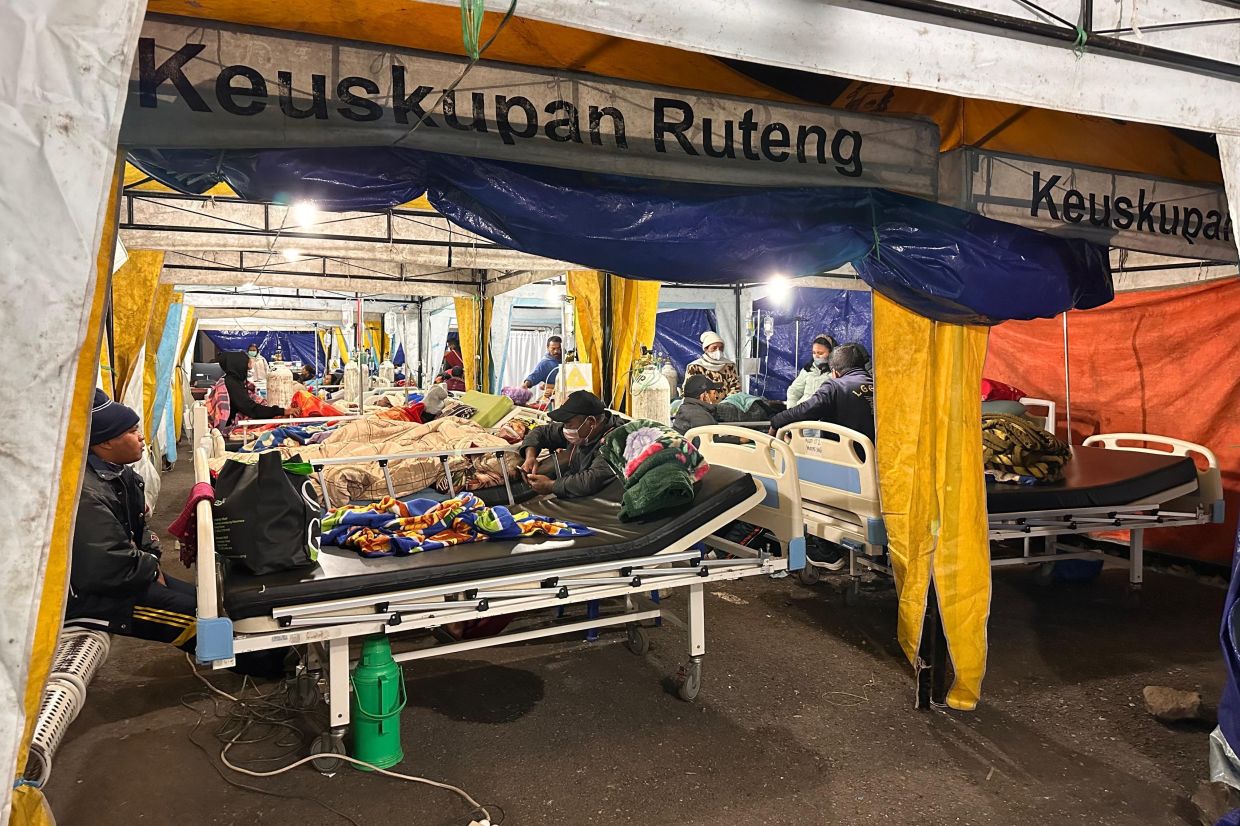
The Indonesian island of Flores endured a catastrophic natural disaster on Sunday when a powerful magnitude 7.7 earthquake ruptured the seabed 30 kilometres from Mbay in Nagekelo district, sending shockwaves across the region at 4.58 am local time. The tremor, which originated at a depth of 15 kilometres beneath the ocean floor, has claimed at least 53 lives, injured 135 others, and forced thousands to abandon their homes for emergency shelters, according to officials managing the humanitarian response.
The seismic event unleashed a terrifying cascade of consequences that extended far beyond the initial shock. The National Disaster Management Agency (BNPB) reported that the Meteorology, Climatology and Geophysics Agency (BMKG) registered 995 aftershocks within the first 24 hours, though only a minority of these tremors were perceptible to the population. This relentless barrage of secondary seismic activity has compounded psychological distress among survivors, many of whom harbour traumatic memories of the catastrophic 1992 Flores earthquake and tsunami that devastated the island and left an indelible mark on the regional consciousness.
Abdul Muhari, Deputy for Prevention at BNPB, provided crucial updates during a press conference on Sunday afternoon, revealing that approximately 9,290 residents had sought refuge at evacuation sites by midnight Saturday. The continuing aftershocks, combined with extensive structural damage to residential properties and unresolved psychological trauma, have convinced many evacuees to remain in temporary shelters rather than risk returning to compromised homes. This cautious response reflects both rational assessment of ongoing danger and the weight of historical disaster memory that weighs heavily on community psychology in the region.
The earthquake triggered an immediate tsunami warning that heightened regional anxiety, though officials moved swiftly to assess maritime threats. BMKG terminated the warning at 7.31 am after careful monitoring of sea-level data demonstrated that no additional significant tidal surges were occurring. This prompt reassurance, while welcome, did little to ease the broader humanitarian crisis unfolding across seven affected regencies and cities as authorities raced to account for all casualties and provide emergency assistance.
Author ities have launched an intensive coordinated response to address immediate humanitarian needs across the disaster zone. According to BNPB's Deputy for Prevention, emergency operations have prioritised victim assistance, distribution of essential supplies, and assessment of structural damage to homes and public infrastructure. Notably, officials have reported no missing persons across the affected areas, suggesting that initial casualty accounting has been relatively comprehensive, though data continues to be updated and verified as ground-level assessment operations proceed.
Restoration of critical infrastructure has progressed alongside relief efforts, with particular focus on reopening supply routes that the earthquake and subsequent landslides had disrupted. A key section of road in Reok, Manggarai, that had been rendered impassable by landslide debris has now been cleared, permitting fuel tanker trucks to resume operations essential to powering relief activities and community recovery. Electricity services have been progressively restored in multiple areas that experienced widespread blackouts, a crucial step towards stabilising conditions for displaced populations.
The BNPB has established a distributed command structure to coordinate the sprawling relief operation across the disaster zone and beyond. Response posts have been activated in Labuan Bajo and Maumere, both strategically positioned to serve as forward operational centres for distributing aid and coordinating field teams. Logistics hubs in Jakarta, Labuan Bajo, and Maumere function as supply pipelines, facilitating the movement of relief materials, specialised equipment, and personnel from national reserves to affected communities. This multi-layered infrastructure reflects lessons learned from previous major disasters and demonstrates institutional commitment to rapid, sustained response.
Aircraft and helicopter units remain on standby, prepared to deploy for emergency medical evacuation, reconnaissance missions, and delivery of supplies to remote communities that road access cannot easily serve. For a region characterised by challenging topography and dispersed settlement patterns, aviation assets represent a vital supplementary logistics channel that can overcome transportation bottlenecks created by earthquake damage. The availability of these resources signals readiness to escalate response operations should conditions warrant more intensive intervention.
The Flores earthquake underscores the profound seismic vulnerability that characterises much of Indonesia's archipelago and the broader Southeast Asian region. Lying along the Pacific Ring of Fire, Indonesia experiences regular powerful earthquakes, and Flores carries particular historical significance due to the 1992 disaster that traumatised an entire generation of residents. The 2023 earthquake serves as a sobering reminder of the region's exposure to major natural hazards and the continuous need for robust disaster preparedness, resilient infrastructure design, and accessible evacuation facilities. For other Southeast Asian nations with similar tectonic settings, including the Philippines and parts of Malaysia, the Flores response offers valuable lessons in coordinating multi-agency disaster management and sustaining long-term community recovery after catastrophic natural events.

