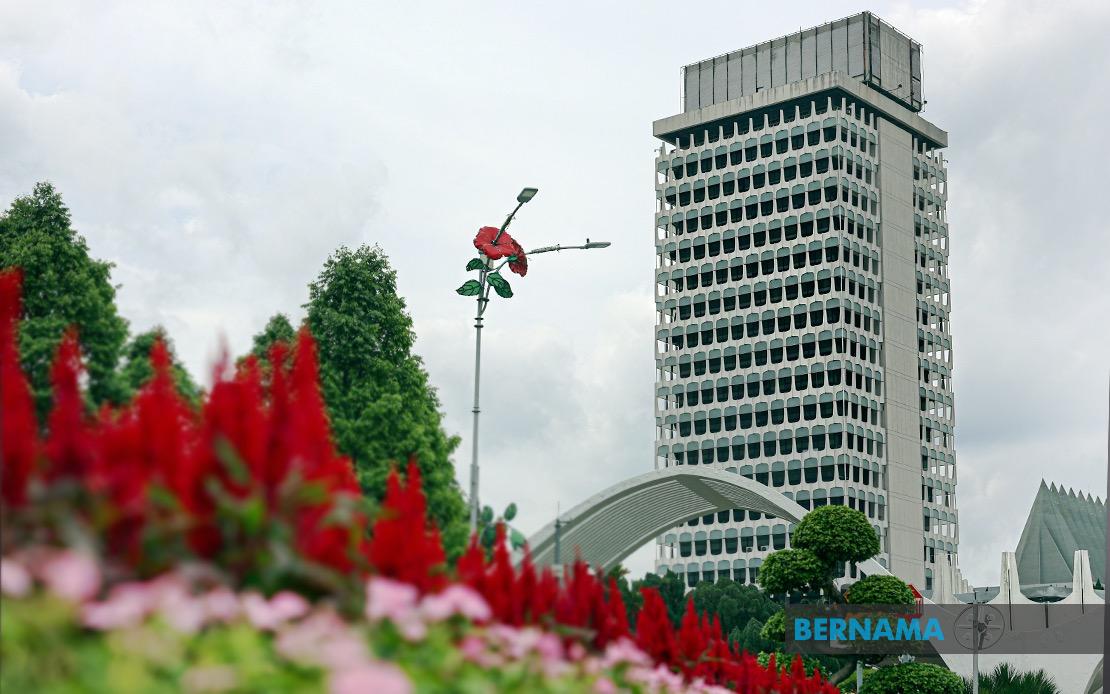
Lawmakers gathering in the Dewan Rakyat today will grapple with three pressing domestic issues that reflect growing anxiety among constituents about digital infrastructure, economic pressures, and financial inclusion. The parliamentary session, scheduled to conclude on July 16, has lined up questions touching on matters affecting ordinary Malaysians from the middle class to informal sector workers, signalling that backbencher concerns remain firmly rooted in bread-and-butter problems rather than grand ideological debates.
The internet connectivity crisis takes centre stage as Datuk Anyi Ngau from GPS-Baram will press the Communications Minister for details on the Malaysian Communications and Multimedia Commission's strategy to tackle a phenomenon increasingly frustrating users across the country: full signal bars on mobile devices paired with non-functional internet access. This paradox, which has plagued networks sporadically over recent months, represents a fundamental gap between what consumers see and what they experience. The question underscores growing public dissatisfaction with service quality standards despite Malaysia's aspirations to be a digital economy.
The infrastructure challenge speaks to deeper systemic vulnerabilities in the nation's telecommunications backbone. When consumers see strong signal strength yet cannot access the internet, the problem typically lies not with individual tower coverage but with congestion, backbone capacity limits, or backend routing issues that are invisible to end users. The MCMC's response will reveal whether the commission has conducted root-cause analysis across affected areas and whether remedial measures have been prioritised. For Malaysian businesses increasingly dependent on reliable connectivity for operations and for remote workers balancing office and home, these outages represent genuine economic losses that accumulate daily.
A second major concern centres on the regional geopolitical dimension of Malaysia's budgetary commitments. Mohd Syahir Che Sulaiman from PN-Bachok will ask Finance Minister how the unfolding conflict in West Asia continues to reshape Malaysia's fuel subsidy bill, a perennial pressure on public finances. The Middle East tensions have kept global crude oil prices elevated and volatile, directly increasing Malaysia's expenditure on keeping domestic fuel prices artificially low. This question matters because fuel subsidies consume billions of ringgit annually and crowd out spending on education, healthcare, and infrastructure development that could yield longer-term economic returns.
The fiscal implications are substantial and multifaceted. As global oil markets react to supply disruptions and geopolitical risks emanating from West Asia, Malaysia's subsidy architects face a cruel dilemma: maintain below-market retail prices and let budget deficits widen, or gradually phase out subsidies and risk public backlash and inflation. The questioner's specific interest in how rising subsidy costs affect the fiscal deficit target for the current year suggests parliamentary concern that the government may miss its fiscal consolidation goals, weakening Malaysia's macroeconomic position and potentially affecting credit ratings and borrowing costs.
Accessibility to housing finance for Malaysia's burgeoning informal sector workforce emerges as the third pillar of today's parliamentary focus. Jamaludin Yahya from PN-Pasir Salak will question the Finance Minister about mechanisms to help self-employed individuals, small traders, hawkers, and gig economy workers access first-home mortgages despite lacking fixed salary documentation. This issue has gained urgency as Malaysia's economy increasingly incorporates gig and freelance work, with millions of individuals generating legitimate income through platforms and small businesses yet remaining largely excluded from conventional mortgage schemes designed around salaried employment.
The informal economy question touches on fundamental questions of financial inclusion and social mobility. Traditional banks rely on salary slips and employment letters as proof of stable income, effectively locking out self-employed workers whose income streams are verifiable but irregular. Without access to affordable housing finance, gig workers and small traders struggle to accumulate wealth through property ownership, perpetuating inequality and limiting consumption-driven growth that could strengthen the broader economy. Solutions might involve alternative income verification methods, microfinance schemes, or government-backed guarantee programmes that reduce lender risk.
Parliament will also hear questions on child welfare and maternal health infrastructure. Yeo Bee Yin from PH-Puchong will seek assurances from the Women, Family and Community Development Minister regarding government readiness to establish comprehensive regulatory frameworks governing confinement centres, facilities that provide postpartum care and support. The question implies current fragmentation in oversight and safety standards, a concern that has surfaced periodically when incidents involving unqualified practitioners or inadequate hygiene protocols come to light. Establishing consistent national standards would professionalise a sector that currently operates across a spectrum from legitimate wellness centres to informal arrangements.
Following the question-and-answer segment, parliamentary business moves to legislative matters with the second reading of two communications-sector bills: the Communications and Multimedia (Amendment) Bill 2026 and the Malaysian Communications and Multimedia Commission (Amendment) Bill 2026. Both bills received first reading last Monday and now advance to substantive debate. The bills likely contain provisions addressing digital governance, consumer protection, or regulatory modernisation in the fast-moving telecommunications landscape, though their specific content remains to be elaborated during parliamentary discussion.
The convergence of these diverse issues—connectivity infrastructure, commodity prices driven by foreign conflicts, financial inclusion, regulatory standards, and legislative reform—reflects the multifaceted pressures confronting Malaysia's policymakers. Today's session will reveal how parliament interprets constituent demands and whether government responses demonstrate genuine engagement with underlying problems or merely offer rhetorical reassurance. The 16-day sitting provides sufficient time for substantive debate on these interconnected challenges.

