Malaysia's People's Income Initiative, known locally as IPR, has extended direct financial assistance to 7,787 households since its launch nearly three years ago, according to figures released by the Economy Ministry. The targeted cash transfer programme represents a significant intervention in the country's multi-pronged approach to reducing poverty and addressing the rising cost of living that has affected lower-income families across both urban and rural regions.
The IPR was designed as a complementary measure to existing national poverty eradication initiatives, operating alongside other social safety nets to form a more comprehensive support structure. Rather than focusing solely on income support, the scheme pursues a three-pronged strategy aimed at bolstering food security among vulnerable populations, generating sustainable employment opportunities, and directly reducing the financial pressures that households face in meeting basic living expenses. This multifaceted approach reflects a policy shift toward tackling poverty from multiple angles rather than relying on single interventions.
Particularly noteworthy is the reported income performance of programme participants. According to the Economy Ministry, numerous beneficiaries have managed to achieve monthly earnings exceeding RM2,000, a threshold that represents meaningful economic progress for families previously trapped in poverty cycles. These income levels suggest the programme has successfully transitioned participants into more stable economic circumstances, though the ministry did not provide comprehensive data on the proportion of participants reaching this income milestone or the timeframe typically required to achieve such earnings.
The programme's implementation reflects broader government recognition that traditional poverty reduction mechanisms require modernisation and expansion to address contemporary economic challenges. Malaysia's persistent inflation, rising housing costs, and wage stagnation in certain sectors have created renewed urgency around direct income support policies. The IPR sits within a policy environment increasingly focused on targeted rather than universal assistance, reflecting resource constraints and efforts to direct support to those with greatest need.
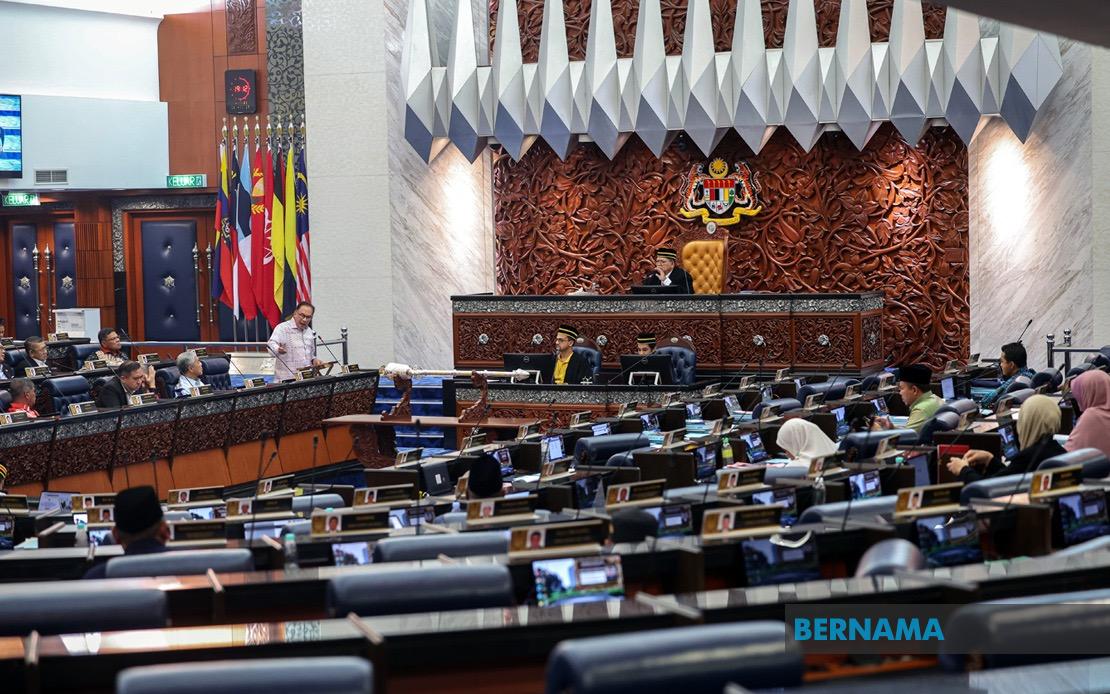
The Economy Ministry's parliamentary reply, submitted in response to questions from Wan Ahmad Fayhsal Wan Ahmad Kamal, a member of parliament representing Machang under the Perikatan Nasional coalition, indicates growing parliamentary scrutiny of poverty alleviation programme outcomes. Such scrutiny underscores the political significance of demonstrating concrete results from government social spending, particularly during periods of economic uncertainty. The query itself suggests ongoing debate about the effectiveness and reach of Malaysia's poverty reduction toolkit.
Beyond the IPR initiative, the Economy Ministry's response touched on the Unified Database for Individuals and Households, known as PADU, which has emerged as a critical infrastructure for Malaysia's social policy system. As of June 2026, the ministry disclosed that 204 government agencies have integrated their data systems with PADU, creating unprecedented capacity to identify beneficiaries and prevent fraud. This integration represents a technological leap forward in administrative efficiency compared to earlier, fragmented approaches to welfare delivery.
The PADU system has been particularly instrumental in enabling more precise policy implementation and programme targeting. The ministry noted that 27 applications for data sharing have received approval from government agencies seeking to leverage PADU's integrated database for programme administration and policy formulation. These approved applications span various government objectives including improving service delivery effectiveness, enhancing citizen well-being, driving service digitisation innovation, and supporting government research and evaluation efforts. The system thus serves simultaneously as an operational tool for front-line service delivery and as an analytical resource for policy development.
For Malaysian citizens and regional observers, the IPR's performance raises important questions about the sustainability and scalability of direct income support programmes. With 7,787 households served over nearly three years, the scheme appears modest in scale relative to Malaysia's approximately 600,000 households living below the poverty line. This gap suggests either that IPR remains a pilot or demonstration programme, or that its expansion faces significant budgetary or administrative constraints. Understanding these limitations is crucial for assessing whether current poverty reduction efforts match the scale of need.
The integration of data systems through PADU offers potential to expand programmes like IPR more efficiently. Once beneficiaries are precisely identified through comprehensive household databases, programme expansion becomes more administratively feasible and cost-effective. This technological foundation may therefore enable Malaysian policymakers to scale successful interventions without proportionally increasing bureaucratic burden. For Southeast Asian countries grappling with similar poverty challenges, Malaysia's experience with integrated data systems and targeted cash transfers provides relevant policy lessons, particularly regarding the technical infrastructure required for effective programme delivery.
The reported success of IPR, with participants achieving incomes above RM2,000 monthly, also invites analysis of programme design elements that may have contributed to this outcome. Whether success derives from direct cash injections, employment facilitation support, skills training components, or some combination remains unclear from available public information. Detailed programme evaluation examining these mechanisms would provide valuable insights for both Malaysian policymakers and regional counterparts considering similar interventions.
Looking forward, the programme's continued evolution will likely depend on budget availability, political priorities, and measurable performance against poverty reduction targets. As Malaysia's economic circumstances shift and inflationary pressures evolve, the government may need to revisit programme parameters including eligibility criteria, support levels, and implementation scope. The parliamentary scrutiny evident in the recent questioning suggests this evolution will occur under active legislative oversight, with members likely to demand increasing transparency and evidence of impact.

